

It can be so hard to decide what you want to eat against what you actually have time to make. Weeknights can be super busy, and these recipes look and taste as if you've put in a huge amount of effort. The best part is they come together in under 30 minutes.
Don't lose this article. Enter your email below, and I'll send it to you right now. Plus a little encouragement and inspiration from me, straight to your inbox.
No guessing, no stress, just great food. They also make you feel like you're a pro in the kitchen. This is my favorite way to cook: little effort, big reward.

Five simple dinners. One grocery list.
No recipe hunting, no messy shopping notes, no complicated chef projects. Just family dinners that fit real weeks.
Seared Scallops with Lemon Butter

Scallops may look hard, but the technique is actually pretty easy once you've mastered it. You want to make sure you get your scallops completely dry to stop them from steaming instead of searing, since that hard sear gives you the crust. Make sure your pan is hot enough. Try to use cast iron or stainless steel over high heat, and get that oil shimmering or just starting to smoke. Place them in the pan one by one and don't touch them.
Give them around 2 minutes per side, and when the crust develops, they will release. If they still stick when you try to flip them, they are not ready. Scallops can turn to rubber in an instant, so remember to pull them from the heat when they're still opaque. You can make the lemon butter using the fond left in the pan. Using cold butter off the heat will prevent this from splitting.
Ingredients
Method
- Pat scallops completely dry with paper towels and season both sides generously with salt and pepper.
- Heat olive oil in a large skillet over high heat until shimmering and almost smoking.
- Add scallops to the pan without crowding them, and sear without moving for 2-3 minutes until a golden crust forms, then flip and cook another 2 minutes until opaque.
- Remove scallops to a plate and reduce heat to medium, then add 2 tablespoons butter and garlic to the pan, cooking for 30 seconds until fragrant.
- Add lemon juice and remaining 2 tablespoons butter, stirring until melted and combined.
- Return scallops to the pan briefly to coat with sauce, then serve immediately garnished with fresh parsley.
Truffle Mushroom Risotto

Everyone thinks risotto is difficult to make, and I'm not sure why. The technique is actually pretty straightforward once you stop overthinking it. Risotto becomes creamy entirely from the starch contained in the rice; there is no need to use cream. All you need is patience. You also need to use hot stock, because using cold will shock the rice and you will lose that gradual cook. That is risotto in a nutshell.
You also don't need to stand there and constantly stir. You are allowed to stir frequently with short breaks; it will still work. Truffle oil can be largely synthetic, so I would only use a small amount, since it can completely take over the dish. Using dried porcini soaked in warm water gives you superb depth and umami, and you can't get that anywhere else, so please do not throw the soaking liquid away; this is packed with flavor.
Take the risotto off the heat and finish with cold butter. I like to put the lid on and let it rest for a couple of minutes before plating. You end up with a fantastic glossy restaurant-style finish.
Ingredients
Method
- Heat chicken broth in a medium saucepan and keep warm over low heat throughout cooking.
- In a large skillet, heat 2 tablespoons olive oil over medium-high heat and sauté mushrooms until golden brown, about 5 minutes, then season with salt and set aside.
- In the same skillet, add remaining 1 tablespoon olive oil and cook onion until softened, about 3 minutes, then add arborio rice and stir for 1 minute until lightly toasted.
- Pour in white wine and stir until absorbed, then begin adding warm broth one ladle at a time, stirring frequently and waiting until each addition is absorbed before adding more.
- Continue adding broth and stirring for about 20 minutes until rice is creamy and tender but still has a slight bite.
- Remove from heat and stir in cooked mushrooms, Parmesan cheese, cold butter, and truffle oil until creamy and well combined.
- Season with salt and pepper to taste, and serve immediately garnished with fresh thyme and extra Parmesan if desired.
Garlic Butter Shrimp Scampi

This dish feels special and comes together super quick. Shrimp can be very unforgiving if you overcook them; around 2 minutes per side is all they need. Took longer than that and they turned to rubber. A lot of garlic is used here; that's intentional, but you need to use low heat. If you get the pan too hot, the garlic will burn and turn bitter, and this will ruin the dish.
Wine can give you some nice acidity. You could use some stock with fresh lemon juice, but it's not quite as good. Remember to save your pasta water; it helps the sauce cling to everything. Add some red pepper flakes with the garlic for a gentle heat, or add them towards the end if you're looking for a hotter experience.
Ingredients
Method
- Pat shrimp dry and season with salt and black pepper on both sides.
- Heat butter and olive oil in a large skillet over medium-high heat until butter is melted and foamy.
- Add minced garlic and red pepper flakes, cooking for 30 seconds until fragrant but not browned.
- Add shrimp in a single layer and cook for 2 minutes per side until pink and opaque, then remove to a plate.
- Pour white wine and lemon juice into the skillet, stirring to scrape up any browned bits, and simmer for 2 minutes until slightly reduced.
- Return shrimp to the pan along with fresh parsley, tossing to coat in the sauce.
- Serve immediately over cooked pasta or with crusty bread, spooning extra sauce over the top.
Prosciutto Wrapped Asparagus

This is a simple dish but super impressive. Remember that prosciutto is dry-cured, so you don't need to cook it. All it needs is to render down and get crispy in the pan. As it does this, the fat can help baste the asparagus underneath, adding extra seasoning and fat with less work.
Try to use medium-sized spears. If they're too thin, they turn limp before the prosciutto crisps up, and if you use very large spears, they stay raw in the middle and burn on the outside. Try to use three to four spears per slice so you get the right balance of flavor. You won't need to add any extra salt; the prosciutto is very salty.
Ingredients
Method
- Preheat oven to 400°F and line a baking sheet with parchment paper.
- Divide asparagus into 8 bundles of 3-4 spears each.
- Wrap each bundle with one slice of prosciutto, starting at the bottom and spiraling up, leaving the tips exposed.
- Place bundles on the baking sheet, drizzle with olive oil, and sprinkle with black pepper and garlic powder.
- Roast for 12-15 minutes until prosciutto is crispy and asparagus is tender.
- Remove from oven, sprinkle with parmesan cheese and drizzle with lemon juice before serving.
Creamy Tuscan Chicken Skillet

When a recipe label mentions Tuscan, this usually means sun-dried tomatoes, spinach, cream, and garlic. It's not a dish from Tuscany, but rather a flavor combination. Making this a one-pan meal is special, since the fond left from when you brown the chicken means your sauce will be packed with flavor.
Pound the chicken with a mallet to an even thickness to ensure it cooks evenly. I like to use heavy cream for this sauce; half-and-half tends to split at high heat. Add the parmesan off the heat; this will stop it from going grainy and lumpy.
Ingredients
Method
- Season chicken breasts with salt, pepper, and Italian seasoning on both sides.
- Heat olive oil in a large skillet over medium-high heat and cook chicken for 5-6 minutes per side until golden and cooked through, then remove and set aside.
- In the same skillet, add garlic and cook for 30 seconds until fragrant.
- Add heavy cream, chicken broth, and sun-dried tomatoes, stirring to combine and scraping up any browned bits from the bottom.
- Bring to a simmer and cook for 3-4 minutes until slightly thickened.
- Stir in spinach and parmesan cheese, cooking until spinach wilts and cheese melts.
- Return chicken to the skillet, spoon sauce over the top, and cook for 2 minutes to reheat before serving.
Salmon with Dill Yogurt Sauce

Salmon can be quite forgiving to cook. I think it gets a bad reputation, but it's actually a great weeknight option. It's high in fat, so it can be really difficult to overcook and dry out, unlike lean white fish. Place the fish, skin-side down, in a pan over medium-high heat. Now, all you need to do is watch it carefully. Most people tend to move it too soon. It needs to release naturally, or you risk ripping the skin. About 4-6 minutes per side for a 1-inch fillet.
For the sauce, I love to use fresh dill. It makes such a difference. Dried dill doesn't pack as much flavor. You can use full-fat Greek yogurt for the sauce since it holds together nicely. Using low-fat yogurt tends to weep.
Ingredients
Method
- Preheat oven to 425°F and line a baking sheet with parchment paper or lightly grease it.
- Pat salmon fillets dry and place them on the baking sheet, then brush with olive oil and season with salt and pepper.
- Bake for 10-12 minutes until salmon is cooked through and flakes easily with a fork.
- While salmon cooks, prepare the sauce by combining Greek yogurt, fresh dill, lemon juice, garlic, and lemon zest in a small bowl.
- Stir the sauce well and season with a pinch of salt to taste.
- Remove salmon from oven and serve immediately with a generous dollop of dill yogurt sauce on top or on the side.
Caprese Stuffed Chicken Breasts

You would expect to see this in a restaurant, but it only takes 10 minutes to make. Butterflying chicken gives you a nice pocket without cutting all the way through, and this allows for even cooking. You can secure it with toothpicks or even use kitchen twine before you put it in the pan. Miss that step, or overstuff the chicken breast, and the filling will leak, and the mozzarella will burn.
You can assemble this a day or two in advance and leave it covered in the fridge. The glaze is just balsamic vinegar with a little honey reduced down. You can use sugar or other sweet substitutes, or even buy it from the store if you have no time.
If you are unsure about cooking time, use a thermometer. Butterflied chicken can dry out fast, so 165°F is your target temp.
Don't lose this article. Enter your email below, and I'll send it to you right now. Plus a little encouragement and inspiration from me, straight to your inbox.
Ingredients
Method
- Preheat oven to 400°F and line a baking sheet with parchment paper.
- Using a sharp knife, carefully butterfly each chicken breast by cutting horizontally through the middle, leaving one edge intact so it opens like a book.
- Season the inside and outside of each chicken breast with garlic powder, salt, and pepper.
- Layer mozzarella slices, tomato slices, and basil leaves inside each chicken breast, then fold closed and secure with toothpicks if needed.
- Heat olive oil in an oven-safe skillet over medium-high heat and sear chicken for 2-3 minutes per side until golden.
- Transfer skillet to oven and bake for 12-15 minutes until chicken reaches 165°F internal temperature.
- Remove from oven, drizzle with balsamic glaze, and let rest for 5 minutes before serving.
Lobster Ravioli in Vodka Sauce

Put this on the table, and people will think you've been cooking all day. Store-bought lobster ravioli with a quick vodka sauce does the trick, and the whole thing can be done in 15 to 20 minutes. Vodka is the workhorse here; it helps the cream and tomato emulsify. Don't worry about the alcohol; it burns off, and all you're left with is flavor and no booze.
Once you add the cream, reduce the heat. A hard boil here will break the sauce. Also remember that store-bought lobster ravioli usually means a seafood blend rather than pure lobster. Quality can vary between brands, so search for your favorite.
Ingredients
Method
- Bring a large pot of salted water to boil and cook ravioli according to package directions, then drain and set aside.
- While pasta cooks, melt butter in a large skillet over medium heat and sauté garlic for 1 minute until fragrant.
- Add vodka to the skillet and let it simmer for 2-3 minutes to cook off the alcohol.
- Stir in crushed tomatoes, heavy cream, red pepper flakes, and salt, then simmer for 5-7 minutes until sauce thickens slightly.
- Add cooked ravioli to the sauce and gently toss to coat.
- Remove from heat, stir in fresh basil, and serve topped with Parmesan cheese.
Steak Au Poivre Bites

Au poivre sounds intimidating, but it just means "with pepper." It's a classic Bristol technique using bite-sized pieces, one skillet, and a creamy cognac pan sauce, all in the same pan the steak was cooked in.
Cutting the steak into pieces means faster cooking with more surface area for the peppercorn crust, and it's much easier to serve at the table. Make sure your pan is super hot, since you need it to create the crust. Then deglaze the fond with cognac to make your pan sauce, which adds huge flavor.
Ingredients
Method
- Pat steak cubes dry with paper towels, then press the crushed peppercorns and salt onto all sides of the meat.
- Heat olive oil and 1 tablespoon butter in a large skillet over high heat until very hot and shimmering.
- Add steak bites in a single layer (work in batches if needed) and sear for 2-3 minutes per side for medium-rare, then remove to a plate.
- Reduce heat to medium, add remaining butter and shallots to the same skillet, and cook for 2 minutes until softened.
- Remove skillet from heat, add cognac, then return to heat and let it simmer for 1 minute to reduce.
- Stir in heavy cream and Dijon mustard, scraping up any browned bits from the bottom of the pan, and simmer for 3-4 minutes until sauce thickens.
- Return steak bites to the skillet, toss in the sauce to coat, garnish with parsley, and serve immediately.
Fig Prosciutto Flatbread

This combination is restaurant-worthy and takes only 15 minutes to make at home: sweet, juicy figs paired with salty prosciutto, creamy cheese, and balsamic glaze. Every element is different, but together they just work.
Try to use a good flatbread and not naan bread. It is thinner and crisps up faster, and it also handles the toppings better. Try to tear the prosciutto rather than laying it flat, since the more surface area means it will turn crispier under the heat.
Fig jam works all year round, thanks to its concentrated sweetness that fresh figs can't always provide. And remember to use balsamic glaze and not balsamic vinegar. It is reduced and sweet, while using just balsamic vinegar will turn the whole thing watery and acidic.
Ingredients
Method
- Preheat oven to 425°F and place flatbreads on a large baking sheet.
- Brush flatbreads with olive oil and scatter goat cheese evenly over the surface.
- Arrange fig quarters across the flatbreads, then bake for 10-12 minutes until edges are golden and crispy.
- Remove from oven and immediately top with torn prosciutto pieces and fresh arugula.
- Drizzle with balsamic glaze, sprinkle with black pepper, slice and serve warm.
Pesto Gnocchi with Burrata

Shelf-stable gnocchi can be so underrated, and this dish proves it. You can boil it in two to three minutes or even just throw it straight into a hot pan. Making it crispy is what makes it special. There's one rule: make sure it's dry and don't crowd the pan. Then you can leave it alone to cook. The big mistake is stirring it, which causes it to steam instead of brown. That's the whole technique.
The creamy stracciatella from the burrata oozes when it's warm, and plain old mozzarella just can't compete. Add the burrata off the heat. If you add it too early, the heat will separate it, and it will turn greasy.
Ingredients
Method
- Bring a large pot of salted water to boil and cook gnocchi according to package directions, usually 2-3 minutes until they float.
- Drain gnocchi well and heat 2 tablespoons olive oil in a large skillet over medium-high heat.
- Add gnocchi to the skillet in a single layer and cook without stirring for 3-4 minutes until golden and crispy on the bottom, then flip and crisp the other side.
- Add pesto and cherry tomatoes to the pan, toss everything together, and cook for 2 minutes until tomatoes soften slightly.
- Transfer to a serving platter, tear burrata over the top, drizzle with remaining olive oil, and garnish with fresh basil and red pepper flakes before serving.
Beef Wellington Cups

Beef Wellington may sound difficult, but this version is much simpler and still special. Using a muffin tin gives you individual portions, and store-bought puff pastry hits the same flavor notes as the classic. Plus it's much less stressful. The mushroom duxelles needs to be cooked until it's completely dry before you put it on the pastry.
Don't forget to sear the beef well too; this is important for structure and flavor. Watch these carefully in the oven; the edges of the pastry can overbrown before they set properly.
Ingredients
Method
- Preheat oven to 400°F and spray a 12-cup muffin tin with cooking spray.
- Heat butter in a large skillet over high heat, season beef cubes with salt and pepper, and sear for 2 minutes until browned on all sides, then remove and set aside.
- In the same skillet, add mushrooms and garlic, cooking over medium-high heat for 6-8 minutes until all moisture evaporates and mushrooms are deeply browned, then stir in thyme and heavy cream.
- Cut puff pastry into 12 squares and press each into a muffin cup, then brush the bottom of each with Dijon mustard.
- Divide the mushroom mixture and beef cubes among the pastry cups, fold edges slightly over the filling, and bake for 12-15 minutes until pastry is golden brown and puffed.
Shrimp Ceviche Cups

This appetizer looks so good yet requires little effort. The lime juice does all the cooking. The acid helps denature proteins, just as heat would, turning the shrimp opaque and firm. Remember though, it won't kill pathogens like heat does, so use the freshest shrimp you can get your hands on. Supermarket shrimp has been previously frozen. This is fine, but the texture can vary between fresh and thawed shrimp.
15 to 20 minutes is the bare minimum. I like to go longer; 30 minutes to an hour gives a much firmer result. Just make sure you don't go longer than two hours, especially when using smaller shrimp, since they will turn to rubber. If you're serving these at a party, wonton cups stay crispy much longer.
Ingredients
Method
- Place the chilled cooked shrimp in a glass bowl, add the lime juice, and stir so every piece is coated.
- Cover and refrigerate for 15 to 20 minutes, stirring once halfway through, to let the lime flavor the shrimp.
- Drain about half of the lime juice from the shrimp, then add the diced tomato, red onion, jalapeño, cilantro, and salt. Stir gently to combine.
- Right before serving, gently fold in the diced avocado to prevent browning.
- Spoon the ceviche mixture into individual tortilla chip scoops or wonton cups and serve immediately.
Herb Crusted Lamb Chops
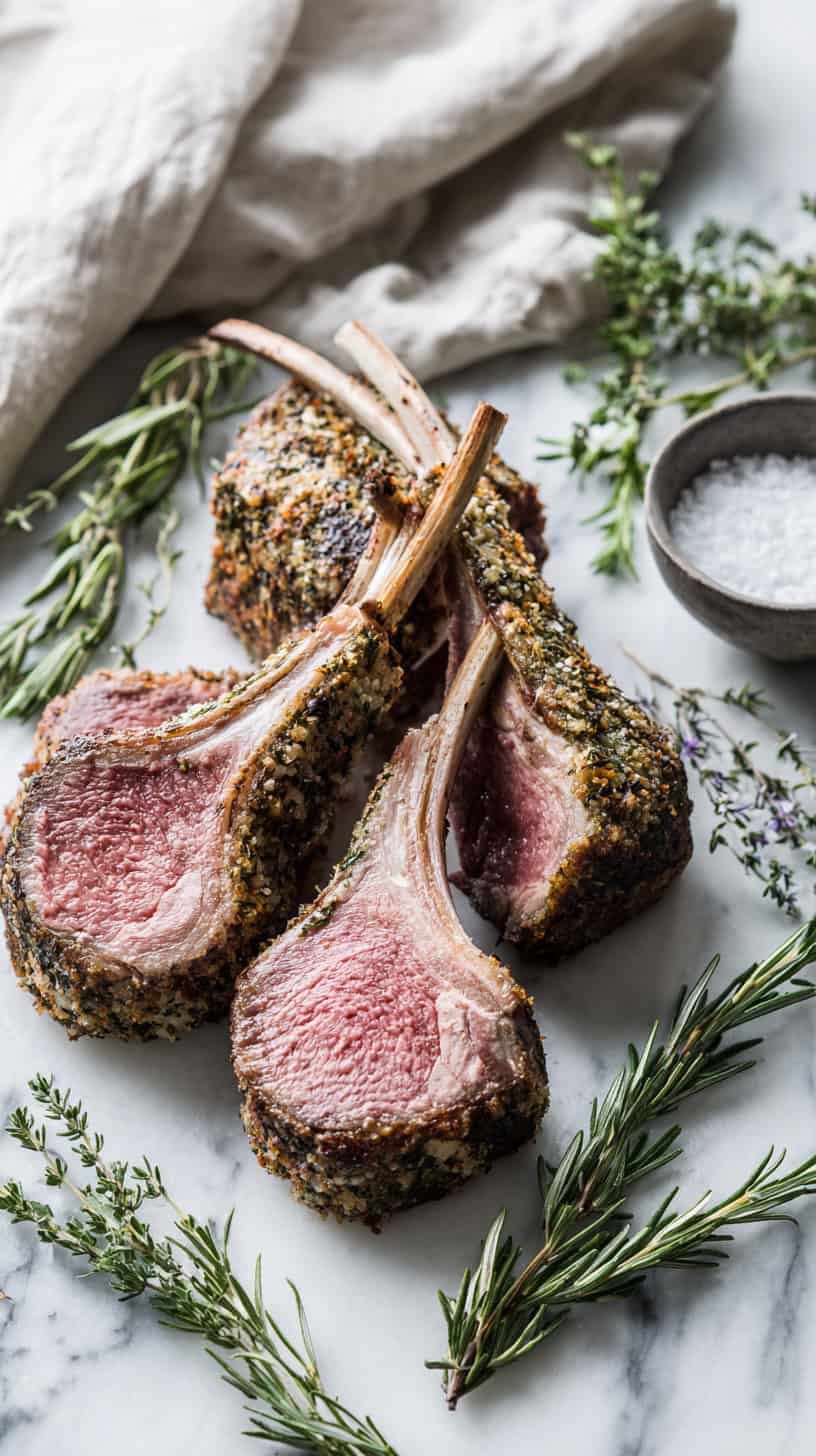
Lamb chops look impressive on the plate and are actually very quick to cook. That also means they're very easy to get wrong. They're thin cuts and can go from nice and rosy to overcooked and dry in seconds, so try to remove them from the heat a few degrees before your target temperature. Carryover cooking will do the rest. If you wait until you hit your exact temp, you've already gone too far.
Bring the chops to room temperature before they go into the pan. Fifteen minutes should do it. The herb crust needs a hot pan and a dry surface to get nice and crispy. The browning of the crust gives it the flavor and texture that makes this dish special.
Ingredients
Method
- Remove lamb chops from refrigerator and let sit at room temperature for 15 minutes. Pat dry with paper towels and season both sides with salt and pepper.
- In a small bowl, combine panko breadcrumbs, rosemary, thyme, garlic, and 2 tablespoons of olive oil. Mix until the herbs are evenly distributed.
- Heat remaining 1 tablespoon olive oil in a large oven-safe skillet over medium-high heat. Sear lamb chops for 2 minutes per side until browned.
- Brush the top of each lamb chop with Dijon mustard, then press the herb mixture firmly onto the mustard-coated side.
- Transfer the skillet to a preheated 400°F oven and roast until the lamb chops reach 145°F (63°C) in the center, about 5 to 7 minutes.
- Remove from the oven, tent loosely with foil, and let rest for at least 3 minutes before serving.
Chocolate Lava Cakes

People think this dessert is technically difficult to make, but it really isn't. It has a small margin for error, and that's where people usually make mistakes. Only one to two minutes too long in the oven and the dessert is ruined. You're basically serving an undercooked cake batter.
These are great for prepping the day before, keeping in the fridge. All you need to do is adjust the cook time by a minute or two. Make sure you use at least 70% dark chocolate to get the right flavor. Cheap chocolate can go greasy, and the pudding will collapse.
The best way to succeed is to do a test bake. Every oven is slightly different, and the timing really does matter.
Ingredients
Method
- Preheat oven to 425°F. Generously butter four 6-ounce ramekins and place them on a baking sheet.
- Melt the chocolate and 1/2 cup butter together in a microwave-safe bowl in 30-second intervals, stirring between each, until smooth. Set aside to cool slightly.
- In a separate bowl, whisk together the eggs, egg yolks, and sugar until thick and pale, about 2-3 minutes.
- Divide the batter evenly among the prepared ramekins, filling each about three-quarters full.
- Bake for 11-13 minutes, until the edges are firm but the center still jiggles slightly when gently shaken.
- Let cool for 1 minute, then run a knife around the edges and invert onto serving plates. Dust with powdered sugar and serve immediately.


