

Waste was basically a swear word growing up in my house. As a child, you finished what was on your plate, end of story. Then culinary school took that further and taught me to actually really respect the ingredient itself, not just to avoid wasting it, but to understand where it came from and why.
Don't lose this article. Enter your email below, and I'll send it to you right now. Plus a little encouragement and inspiration from me, straight to your inbox.
Now, nothing goes to waste in my fridge, and these 14 recipes for two people come straight from it, using what's there with nothing left over.
Dinner is handled every Sunday
Get 5 easy family dinners, printable recipe cards, and one grocery list. Simple meals, normal ingredients, no more starting from zero at 5pm.
1) One-pan lemon garlic chicken with roasted root veggies (use carcass for stock)

1) One-pan lemon garlic chicken with roasted root veggies (use carcass for stock)
Ingredients
Method
- Preheat oven to 425°F (220°C). Toss veggies with 1 tbsp oil, half the garlic, lemon zest, salt, and pepper on a sheet pan.
- Rub chicken with remaining oil, garlic, thyme, lemon juice, and paprika; season well.
- Nestle chicken among veggies, skin side up. Roast 30–40 minutes until chicken reaches 165°F and veggies are caramelized.
- Let rest 5 minutes. Reserve bones and any carcass for stock, cover and freeze if not using within 24 hours.
I have a leftover carcass from this chicken boiling on my stove right now with some leftover onions and celery found in my fridge, and I'm going to turn it into a delicious stock.
This one-pan lemon garlic chicken with roasted veggies is such an easy pull-out-of-the-freezer-and-fridge dinner. Make sure your oven is at 220°C because you don't want the skin of your chicken to steam; you want it to be crispy and delicious.
Make sure to put some really good olive oil over it as well. Cut your root veg (the carrots, parsnips, and potato) the same size, and remember they take a little bit longer than the chicken. I like to rub fresh garlic under the skin, not just on top. This gives it such a delicious flavor.
When making stock from leftover chicken and bones, start with cold water. It takes about two to three hours, simmering slowly with all your delicious things like carrots, celery, and bay leaf. It'll reduce quite a lot, and then you freeze it for your next soup.
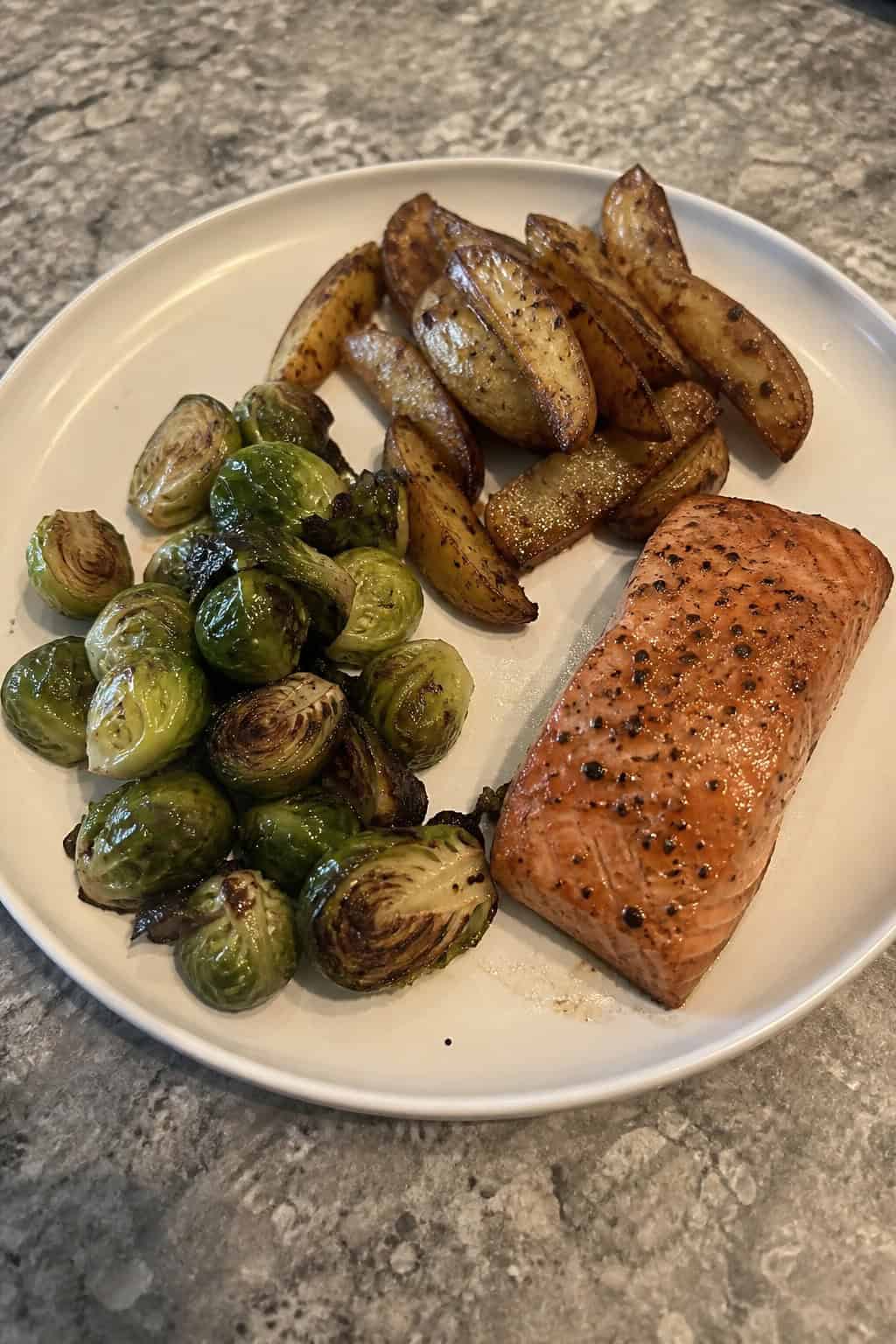
2) Sheet-pan salmon with Brussels sprouts and potato wedges (trim ends for compost)
Ingredients
Method
- Preheat oven to 425°F (220°C). Toss potato wedges with 1 tbsp oil, 1/2 tsp salt, and smoked paprika on a rimmed sheet pan; roast 10 minutes.
- Add halved Brussels sprouts tossed with remaining oil, 1/4 tsp salt, and pepper; push veggies aside to make room.
- Pat salmon dry, brush with Dijon mixed with honey if using, sprinkle with remaining salt and pepper, and place skin-side down on the sheet pan.
- Add lemon slices around the fish and return pan to oven; roast 10–12 minutes until salmon flakes and veggies are browned.
- Let rest 2 minutes, squeeze extra lemon, and serve immediately.
When I make salmon and there's any leftover, I make sure to freeze it with the hope of making something like a salmon fish cake or salmon patty. Also, this dish comes with Brussels sprouts and potato wedges, so make sure to keep the potato peels and the ends of the Brussels sprouts for your compost heap or to give to your worms.
This is a great dish because it's everything on one pan, one oven temperature, and an easy cleanup (no dishes to clean). The salmon and Brussels sprouts are a classic pairing, and both do well at high heat. The potato takes a little bit longer, so cut them into wedges or parboil briefly, and everything finishes at the same time.
Make sure not to overcrowd the pan, because everything will go soggy since it steams. It's a delicious dish.
3) One-pot pasta primavera with vegetable peel broth

Ingredients
Method
- Heat oil in a large pot over medium heat; sauté onion until translucent, about 4 minutes.
- Add garlic and pasta; stir to coat for 30 seconds.
- Pour in vegetable peel broth and bring to a simmer. Add pasta and cook, stirring frequently, per package time minus 1–2 minutes.
- With 3 minutes left, add mixed vegetables and continue cooking until pasta is al dente.
- Remove from heat, stir in Parmesan if using, season, and garnish.
This is such a light and refreshing one-pot pasta primavera. I make it with vegetable peel broth, and "primavera" in Italian means spring, so this dish is classically loaded with fresh spring veg. I like to use peas, spinach, asparagus, anything green that I can find in my fridge.
The pasta cooks directly in the broth, absorbing the flavor and releasing starch, so it thickens the sauce naturally. I make my vegetable peel broth with all the leftovers I have, which is zero waste. I'll boil onion skins, carrot peels, leeks, and any greens I've been keeping from previous meals, then simmer them and strain them. It's lighter than stock but adds an amazing depth without overpowering the delicate vegetables.
Just make sure you have enough liquid and that your heat isn't too high, because the pasta can scorch and seize before it cooks through.
4) Stuffed bell peppers with quinoa and black beans (use pepper tops in soup)
Ingredients
Method
- Preheat oven to 375°F. Sauté onion and garlic in oil until soft, 3–4 minutes.
- Stir in quinoa, beans, corn, cumin, chili powder, salt, and pepper; heat through. Fold in half the cheese.
- Stuff peppers with filling, top with remaining cheese, place in a baking dish with 1/4 cup water, cover, and bake 25–30 minutes until peppers are tender.
- While peppers bake, chop reserved pepper tops and simmer in broth 10 minutes for a quick soup; season to taste.
- Serve peppers hot with a ladle of the pepper-top soup on the side.
Stuffed bell peppers with quinoa and black beans are great as a main course, or you can use them as a side. Quinoa and black beans give you a complete protein source, so it's a good swap for meat-based fillings.
I like to hollow out the pepper and get all those seeds out. I throw them in the backyard and hope they grow. Then stuff with the quinoa and black beans and bake at 190°C for about 30 minutes. Make sure to keep the lids on for moisture.
When I'm preparing the peppers, the cut-off caps don't get wasted. I dice them into little squares to make salsa, or I keep the strips for stir-fries, or I mix them with carrots, celery, and onion and use them as a base for cottage pie or lasagna. There's zero waste.
I like to use yellow, red, or orange peppers as a sweet outer wrapper. Green peppers are slightly bitter and cheaper, and I like to use green peppers more for salads than for stuffing. A common mistake is under-seasoning the pepper itself before you stuff it. Overall, this is a great healthy meal.
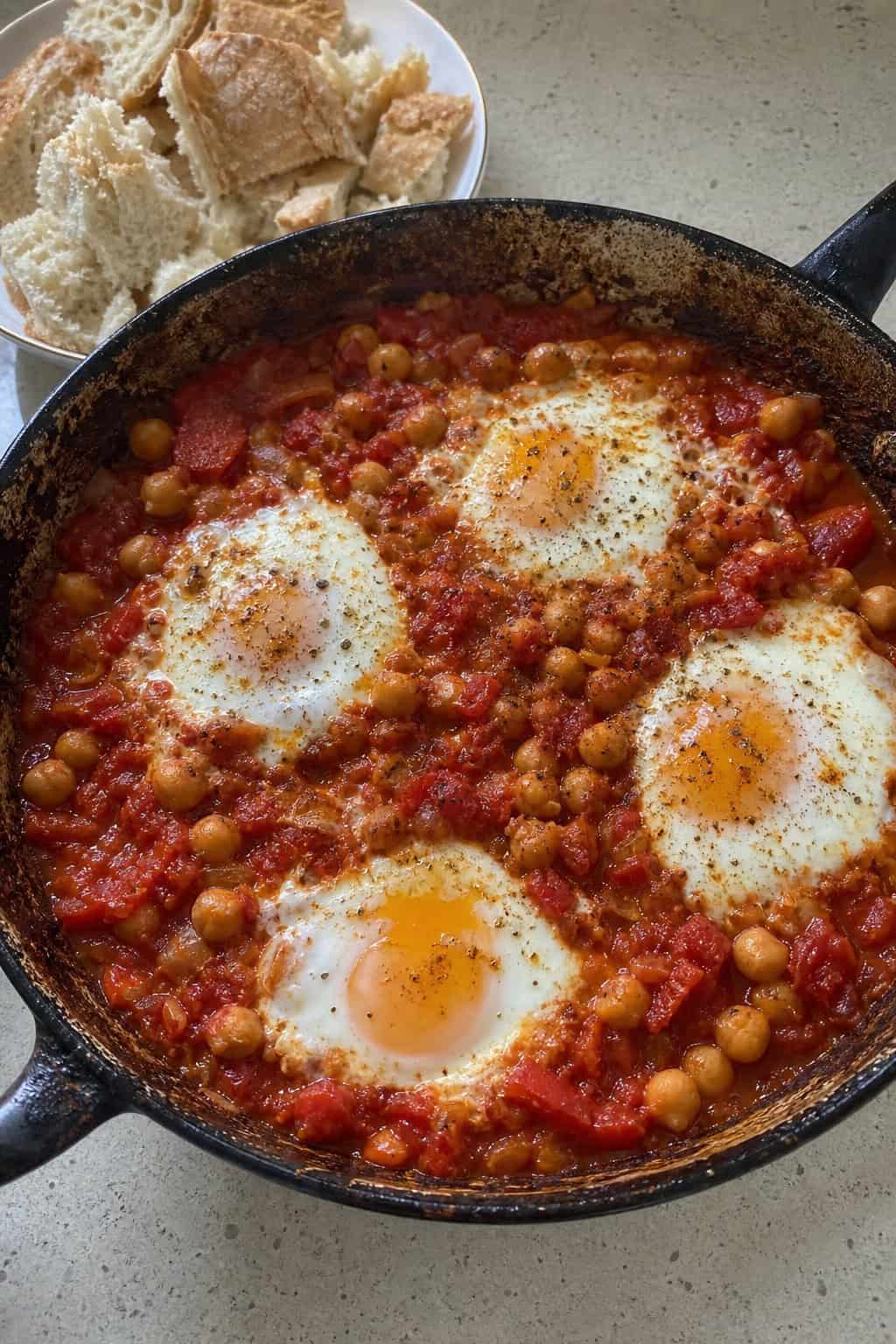
5) Skillet chickpea shakshuka with torn stale bread for dipping
Ingredients
Method
- Heat oil in a skillet over medium heat; sauté onion until soft, about 5 minutes.
- Add garlic and bell pepper; cook 2–3 minutes until fragrant.
- Stir in chickpeas, crushed tomatoes, paprika, cumin, salt, and pepper; simmer 6–8 minutes to thicken.
- Make two shallow wells in the sauce and crack an egg into each; cover and cook until whites set, 5–7 minutes.
- Scatter torn stale bread over the pan for a minute to soak, or serve on the side for dipping.
- Garnish with parsley and serve straight from the skillet.
I intentionally make this dish when I have a loaf of sourdough or French bread from the day before that's gone stale, because I love dipping it in the shakshuka. Shakshuka is North African and Middle Eastern, and they're still fighting over it. It's a dish that consists of spiced tomato sauce with poached eggs, and it's widely adapted. I like to add chickpeas because they add bulk and protein, making it a complete one-pan meal without meat.
The stale bread is intentional because it tears better and absorbs the sauce. I do like to put it in the oven for a little bit to crisp up, but make sure you're making this in a skillet, because the cast iron holds heat evenly and creates a better sauce reduction and edge crust. Make sure your eggs are set, and your sauce is still running. That's the key with this dish. Enjoy dipping.
6) Veggie fried rice for two using leftover rice and tossed greens

Ingredients
Method
- Heat 1 tbsp oil in a large skillet or wok over medium-high heat. Add onion and carrot; cook until soft, about 3–4 minutes.
- Push veg to the side, add remaining oil, and pour in beaten eggs if using; scramble quickly and mix with veg.
- Add garlic, then the chilled rice. Break up clumps and stir-fry until heated through, about 3–5 minutes.
- Toss in chopped greens and soy sauce; stir until greens wilt and everything is evenly coated. Finish with sesame oil, salt, and pepper.
- Taste and adjust seasoning. Serve immediately with scallions.
Veggie Fried Rice for Two Using Leftover Rice and Tossed Greens
This is one of my husband's most favorite leftover dishes. It's so versatile; you can have it as an egg fried rice, or you can have it with veggies and tossed greens. I found that day-old rice is drier and fries better, and it doesn't clump as much when you're making veggie fried rice.
High heat is essential, so use a wok or cast iron pan. Make sure you don't steam the rice, as it becomes soggy. I like to use spinach, chard, or basically whatever is on hand; it can be green beans or peas. This easily serves two as a main, and it basically takes 10 minutes.
7) Mini beef pot roasts in slow cooker with carrot tops saved for pesto

Ingredients
Method
- Season roast with salt and pepper; brown in oil in a skillet 2–3 minutes per side.
- Place onion, carrots, and garlic in slow cooker; set roast on top.
- Pour in broth and Worcestershire; cook on low 6–8 hours or high 3–4 hours.
- For pesto, pulse carrot tops, cheese, nuts, and oil in a blender; adjust salt and texture.
- Shred roast with forks in cooker, mix with juices; serve with pesto swirled on top or on rolls.
Mini Beef Pot Roasts in Slow Cooker with Carrot Tops Saved for Pesto
A lovely winter warmer. These mini beef pot roasts in a slow cooker are easy to make; just chuck everything in and leave it to go. It takes about 8 hours on low or 4 hours on high. I like to use a chuck roast because the fat marbles through and it stays tender. Mini roasts cook faster and portion well. Make sure to sear them first for that Maillard crust; it's a big flavor payoff.
I also like to use the carrot tops, so please don't throw them away next time you buy carrots. You can blend them into a pesto with some olive oil, garlic, Parmesan, nuts, whatever you've got on hand. You can make it into chimichurri, mix it into salads, or blend it into soup. It's a nice herb substitute if you don't have parsley for potato salad. They're also nice in green smoothies. You can freeze your carrot tops in a Ziploc bag so you can pull them out whenever you need something green. This is a zero-waste meal.
Don't lose this article. Enter your email below, and I'll send it to you right now. Plus a little encouragement and inspiration from me, straight to your inbox.
8) Pasta puttanesca for two using canned tomatoes and olive-skimmed tuna

Ingredients
Method
- Bring a pot of salted water to a boil and cook pasta until just al dente; reserve 1/2 cup pasta water.
- Heat olive oil in a skillet over medium; add garlic and anchovies, sauté 1 minute until fragrant.
- Add crushed tomatoes, red pepper flakes, olives, and capers; simmer 6–8 minutes to meld flavors.
- Stir in drained tuna, break it up gently, and warm through; add reserved pasta water to loosen sauce if needed.
- Toss pasta with sauce, season with salt and pepper, and finish with parsley.
After you've made this dish, you'll be left with absolutely nothing. Puttanesca means "in the style of a street walker," and the core flavors are anchovies, capers, olives, garlic, and chili. Adding tuna is a very common home variation.
I like to use San Marzano tinned tomatoes. Make sure you drain off the excess liquid, as the sauce gets watery. I also like to use breadcrumbs for texture. I always buy tuna in olive oil because it adds richness.
For the pasta, I use whatever I've got in the pantry. It can be spaghetti or linguine; they both work. The sauce comes together in 15 minutes, so it's a very fast, no-cook meal.
Thighs have enough fat to braise themselves over six to eight hours without drying out. Breasts are leaner and need watching, which is why most of my rotation leans on thighs for weeknights.
9) Miso-glazed tofu with bok choy and reserved mushroom stems in broth

Ingredients
Method
- Whisk miso, soy, mirin/honey and a splash of water; brush onto tofu.
- Heat oil in a skillet over medium-high and sear tofu 3–4 minutes per side until glazed. Remove and keep warm.
- Sauté garlic, ginger and chopped mushroom stems in the same pan 2 minutes.
- Add broth, bring to a simmer, then add bok choy and cook 2–3 minutes until tender-crisp.
- Return tofu to the pan to warm through and spoon broth over before serving. Garnish with sesame and scallions.
Miso-Glazed Tofu with Bok Choy and Reserved Mushroom Stems in Broth
I love miso, and this miso-glazed tofu with bok choy and reserved mushroom stems in broth is a very cozy go-to dinner for me. I typically use a white miso glaze, which is called shiro, or sometimes I mix it up and make a miso-marinated tofu with sake and sugar, which is the red one, which is saltier and deeper, while the white is milder. That choice really matters because firm or extra firm tofu holds up to glazing and broiling. The silken will fall apart, so just be aware of that.
When I'm making this dish, I always keep the mushroom stems aside and add them into a broth, or freeze them for future use. I like stirring them into stir-fries, or I'll toss them into a risotto. They go really nicely in stuffings too. Chop and mix them in with breadcrumbs, and they're also very nice in omelets or scrambled eggs. And if you want to go full throttle, you can even make a mushroom powder by drying the stems in a low oven and then grinding them into a powder, which you can use for gravies or to season soups.
10) Spinach and ricotta stuffed shells using basil stems in sauce

Ingredients
Method
- Preheat oven to 375°F. Cook shells until just al dente; drain and cool.
- Sauté onion and garlic in olive oil until soft. Add crushed tomatoes and basil stems; simmer 10 minutes, season.
- Mix ricotta, half the mozzarella, spinach, egg, Parmesan, salt, and pepper.
- Spoon filling into shells and arrange in a baking dish with a little sauce on the bottom.
- Pour remaining sauce over shells, top with leftover mozzarella, cover with foil.
- Bake 20 minutes, remove foil and bake 5–8 more minutes until cheese bubbles. Discard stems before serving.
Creamy ricotta and spinach come together in jumbo pasta shells in this comforting baked dish, perfect for family dinners or entertaining. It typically serves about four people. A classic filling consists of 250g of ricotta, 100g of spinach, and 1 egg to bind.
There's no reason to let fresh basil stems go to waste. The leaves often get all the attention, but the tender stems are packed with the same fragrance and slightly sweet flavor that makes basil such a kitchen favorite. I like to finely chop or blend them into sauces. It adds depth to everything from soups to dressings. Just make sure you're only adding the tender stems. If they're long or thick or brown, it's best to throw them away or save them for stock rather than adding them to the filling.
Ricotta quality matters here. Supermarket tubs vary widely in moisture content, which affects the texture. And make sure the spinach is not watery, so squeeze out all that excess water before mixing.
11) Sweet potato and black bean tacos with roasted skins turned into chips

Ingredients
Method
- Preheat oven to 425°F (220°C). Toss sweet potatoes (whole) with 1 tbsp oil, roast 30–40 minutes until fork-tender.
- Remove potatoes; let cool slightly. Scoop out flesh and roughly mash; reserve skins.
- While potatoes roast, sauté onion in a skillet with cumin and paprika until soft. Add black beans and mashed sweet potato, warm through, season.
- Toss reserved skins with 1 tbsp oil, salt, and pepper; spread on baking sheet and roast 10–15 minutes until crisp.
Roasted sweet potatoes are naturally sweet, and the black beans make them extra hearty. What's great about this dish is that you can turn the sweet potato skins into crispy homemade chips rather than throwing them away. They're edible, and they contain plenty of fiber and antioxidants. Or you can just keep the skins on the sweet potatoes, which helps reduce food waste and adds extra nutrients.
Black beans pair well with spices like chili, cumin, and coriander. A squeeze of fresh lime juice helps balance the sweetness of the potatoes, and I like to use toppings like avocado, pickled onions, and cilantro for freshness and texture.
12) Caprese chicken skillet with day-old bread turned into croutons
Ingredients
Method
- Pat chicken dry, season with salt, pepper, and Italian seasoning.
- Heat 1 tbsp oil and butter in a skillet over medium-high. Brown chicken 4–5 minutes per side until nearly cooked; remove and rest.
- Add remaining oil and garlic; toss in bread cubes and toast until crisp, stirring, 3–4 minutes. Season croutons and remove.
- Add tomatoes to skillet, cook 2 minutes until soft, then nestle chicken back in. Top with mozzarella and cover until cheese melts, about 2 minutes.
- Scatter croutons and basil, drizzle balsamic if using, and serve straight from the skillet.
Caprese chicken in one pan, and the bread that's gone slightly stale gets torn up and crisped into croutons right alongside it. Nothing goes to waste; everything gets used. You just need good tomatoes, fresh basil, and good mozzarella. It's a flavor combination that needs almost nothing done to it. One pan, one cook.
This is the kind of thing that turns bread that's about to be binned into the base part of the dish. I add the mozzarella at the end to melt it gently, because overcooking it makes it rubbery and watery. Cherry tomatoes work better than larger ones here because they hold their shape and they burst and reduce when cooked.
I like to serve this dish with the croutons still in the pan so they soak up all those delicious juices. Then I just put it in the middle of the table, and everyone helps themselves.
“The dinner that makes itself while I make everything else work.”
13) Frittata with mixed odds-and-ends veggies and grated rind in broth

Ingredients
Method
- Preheat oven to 375°F (190°C). Whisk eggs with milk/broth, grated rind, salt, and pepper.
- Sauté onion and garlic in ovenproof skillet with oil until soft. Add veggies and cook until just tender.
- Pour egg mixture over veggies, sprinkle cheese on top, and cook on stove 1–2 minutes until edges set.
- Transfer skillet to oven and bake 10–12 minutes until puffed and set. Let rest 3 minutes, garnish, slice, and serve.
Frittata with Mixed Odds-and-Ends Veggies and Grated Rind in Broth
This Italian egg dish, also known as frittata, is very similar to an omelet but finished slowly and often baked. It's traditionally used as a clean-out-the-fridge kind of meal in Italian home cooking. The eggs are a protein-rich base that binds leftover vegetables together. I like to use spinach, peppers, zucchini, mushrooms, onions, and herbs, whatever I've got going on in that fridge.
I use the vegetable scraps, like leek skins, carrot tops, and celery ends, to make a flavorful broth. The citrus rind from a lemon or orange adds brightness and a little romance to a simple broth. I like to have this dish for breakfast, lunch, or dinner, usually because I've got nothing planned and it always comes together nicely.
14) Salsa verde fish en papillote using tomatillo husks in stock

Ingredients
Method
- Make quick tomatillo stock: simmer husks, onion, garlic, jalapeño, and water for 10 minutes; strain and reserve 1/2 cup liquid.
- Blend reserved stock with 1/2 the cilantro, lime juice, 1 tbsp olive oil, and salt to make salsa verde.
- Preheat oven to 400°F. Cut two 12-inch parchment squares.
- Place a fillet on each square, spoon salsa over fish, drizzle remaining oil, and season.
- Fold and seal paper into tight packets; bake 12–14 minutes until fish flakes.
- Open carefully, garnish with remaining cilantro, and serve right in the packet if you like.
Salsa Verde Fish en Papillote Using Tomatillo Husks in Stock
Fresh fish and parchment, salsa verde on top, and the husks from whatever you've used go straight into a stock pot instead of the bin. This is the kind of cooking that respects every part of the ingredient, not just the obvious parts. Cooking en papillote means the fish steams in its own parcel, locked in with the sauce, so nothing escapes and nothing dries out.
The husks, which could be corn husks, herb stems, anything with flavor still left in them, go into a stock with water and aromatics. This is where you're extracting what most people throw away, getting the most out of everything.
I also like to make a salsa verde with leftover herbs or stems, things like basil stems, cilantro stems, a lemon that's going old, and then it goes in with the garlic and some good olive oil. It's fresh, it's delicious, nothing is wasted, and everything is used. That's the whole point.
The Whole Point
This way of cooking and thinking is proof that respecting an ingredient and eating well go hand in hand.
Every scrap that would normally get tossed becomes the start of something else, whether it's a stock, a crouton, or a second meal. If we just think a bit more cleverly about ingredients, we can go far further than we ever intended.
, Sara


