
I remember a slow Thursday in June when my boys were bored out by noon and the TV was calling their names. You want summer that gets them outside, from a neighborhood scavenger hunt and backyard obstacle course to kayaking, stargazing, and an outdoor movie night, so you can swap screens for sun and simple fun.Here are 18 easy, kid-friendly outdoor activities that actually keep tweens and older kids moving, learning, and laughing together. I’ll share what you need, how to pull each idea off with kids who think they’re too cool for everything, and a few down-home tips that work for our family.
Don't lose this article. Enter your email below, and I'll send it to you right now. Plus a little encouragement and inspiration from me, straight to your inbox.
1) Neighborhood Scavenger Hunt with Photo Prompts
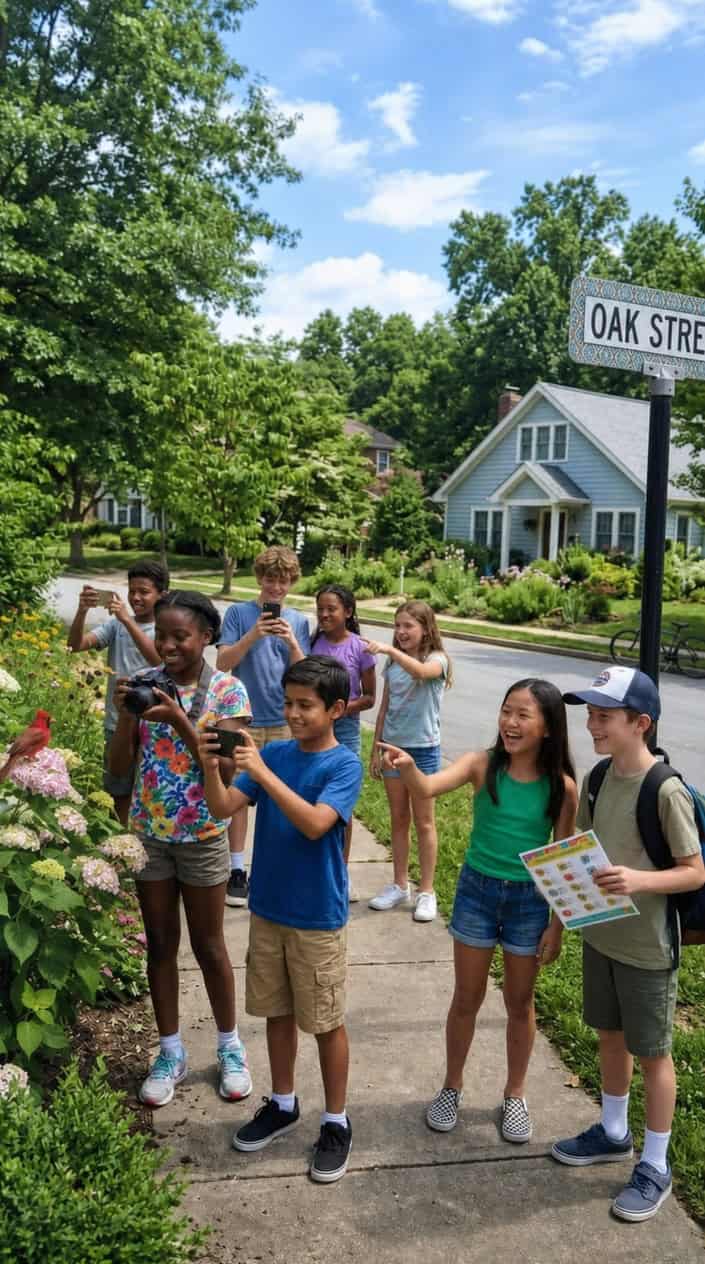
I love sending my boys out with a camera and a list while I sip coffee on the porch. They race the sun, laugh at odd finds, and come back with stories I tuck into my prayers.
Make simple photo prompts like “a red door,” “a dog on a leash,” or “three different leaves.” Give tweens a phone or cheap camera, a time limit, and a map of safe boundaries. Encourage creativity: close-ups, funny angles, and group selfies all count. Keep rules clear and set check-in times so parents can actually relax while the kids are gone.
This gets them moving, thinking, and sharing what they noticed. Simple as that.
2) DIY Backyard Obstacle Course with Timers
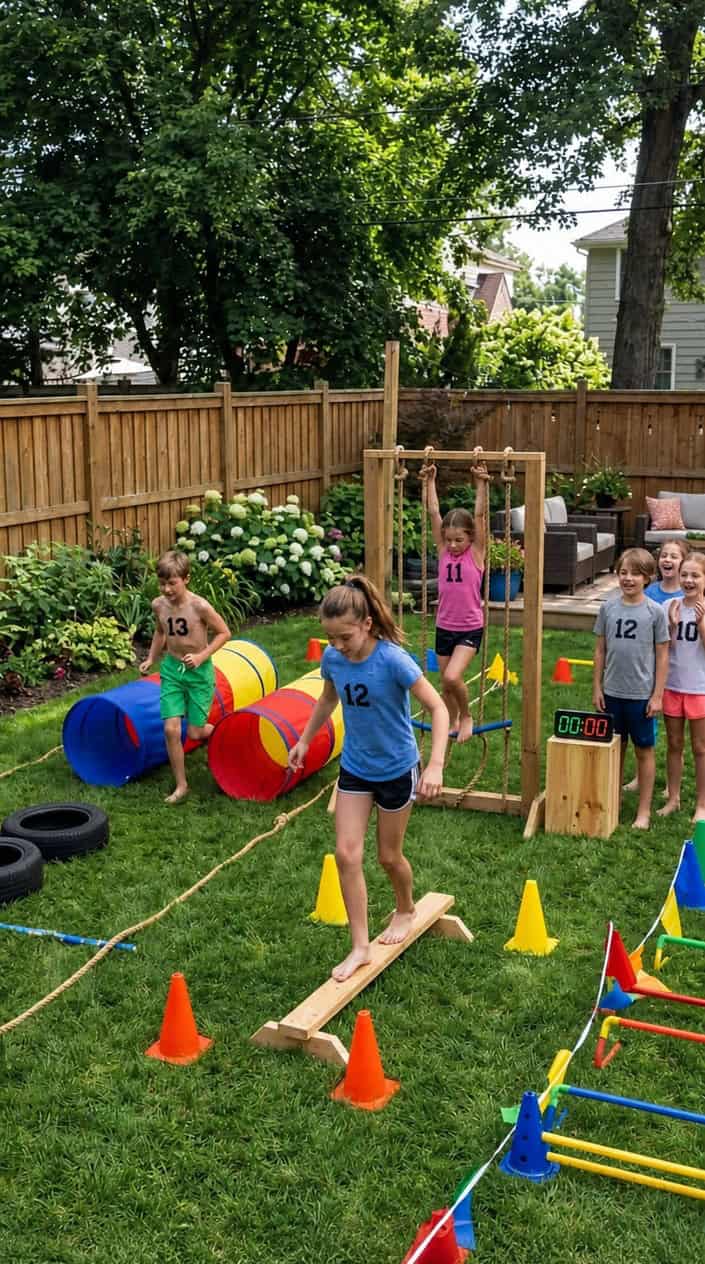
I set one up in our yard last summer and the boys treated it like a tiny tournament between church potlucks. I stood by with a stopwatch and a cooler of lemonade, glad for the noise and the sun on my face.
Grab cones, chairs, jump ropes, and a phone or kitchen timer. Lay out a run, crawl, hop, and toss station that feels challenging but not scary. Let tweens design a lap or two and time each other. They love the stopwatch, and trying to beat a friend’s mark keeps the energy going for longer than you’d expect.
Keep rules simple: safe landings, no shoving, and take turns on the timer. Change the course every week so it stays fresh. You’ll get fresh air, loud laughs, and a little healthy competition baked right into a Tuesday afternoon.
3) Evening Stargazing and Learning Constellations

Taking the boys out after supper to watch the sky change is one of my favorite summer rituals. We pile into lawn chairs, sip iced tea, and I point out things I half-remember from nights on my mama’s porch. It’s quiet in a way our house rarely is.
Bring a blanket, a flashlight with a red filter, and a stargazing app on your phone. Teach tweens to hold the phone flat and sweep it slowly across the sky so the app matches stars to constellations overhead. Pick a spot away from streetlights and check the app for the moon phase before you go: a bright full moon washes out the fainter stars. Keep sessions short and easy so kids stay curious instead of restless.
You might say a quick prayer for clear skies, then just sit and enjoy that small, quiet wonder together.
The free app SkyView Lite uses your phone’s camera to overlay constellation names and planet positions in real time. It works even in moderately light-polluted suburbs, which makes it genuinely useful for backyard sessions, not just wilderness camping trips.

Gdindff Glow in the Dark Constellation Blanket
Check Price4) Family Backyard Campout with a S’mores Station

Packing a sleeping bag under the stars with my boys after a long Saturday at the ball field is one of those things I hope they carry with them for a long time. We set up close to the porch so I can hear if anyone needs anything, and I always bring a thermos of sweet tea for us to sip while the fire gets going.
Set up a small fire pit or a safe smokeless grill and build a s’mores station with graham crackers, marshmallows, and chocolate. Give tweens a chance to roast on long skewers and let them choose fun add-ins like peanut butter cups or banana slices. Keep a bucket of water nearby and walk them through handling skewers safely. A little guidance makes them feel grown-up without anything being risky. Add a blanket, a flashlight for shadow stories, and a playlist of quiet tunes in the background.
Bring a short prayer or a moment of gratitude before lights-out. It closes the night gently and means more than it sounds like it will.
5) Neighborhood Bike Relay and Safety Check
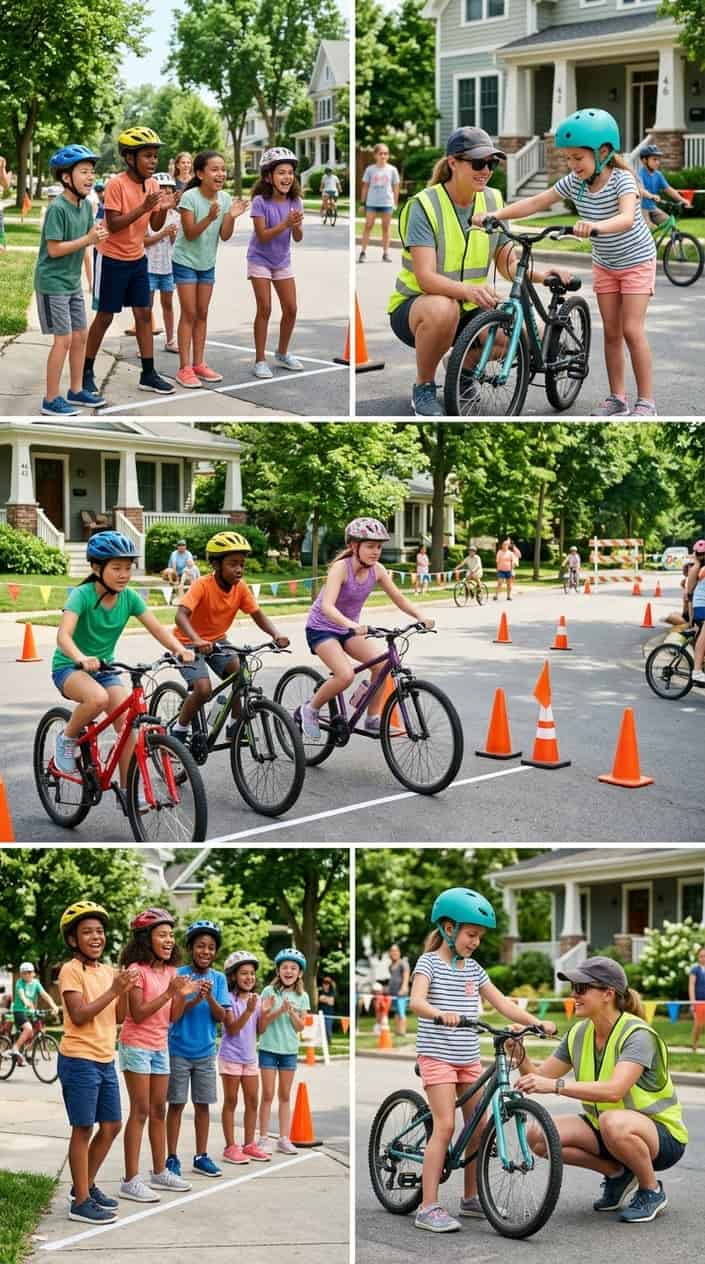
We do a bike relay most weekends and it is loud, messy, and exactly the kind of thing that makes neighbors wave from their porches.
Line up teams and mark a short loop with cones or sidewalk chalk. Start each relay with a quick safety check: helmets, brakes, tire pressure, and lights if you’re riding close to dusk. Keep legs and distances tween-friendly, and let older kids help time laps or check helmets on younger ones. That little bit of responsibility makes them stand up straighter. Offer small prizes like homemade cookies or a pick of the playlist to keep the competition friendly.
This gets kids moving and quietly teaches them basic bike care at the same time.
6) Water Balloon Dodgeball Tournament

I watch my boys line up like they’re heading onto a baseball diamond, and honestly, it is one of my favorite summer sounds. We pack up a cooler, a box of balloons, and the kind of patience only a mom who has been to a thousand Sunday potlucks actually has.
Fill lots of balloons ahead of time and keep them in a kiddie pool so they stay cool and don’t pop in your hands before the game even starts. Mark a center line with cones or chalk, split into teams, and set a clear rule: no head shots, and step back after a hit. Tweens like a little structure in their competition, so run a short bracket and let winners pick the playlist or the snack for the next round.
Bring towels, spare clothes, and trash bags for the popped bits. It is messy, loud, and worth every splash.
“The best summer memories aren’t planned perfectly. They’re just the ones where everybody got a little wet and nobody went home early.”
7) Kayaking on a Calm Lake

Slow mornings on the lake after church are some of the best ones we have. We talk about the week, laugh when someone splashes the other on purpose, and sometimes just go quiet for a few minutes and let the water do the talking.
Bring a well-fitting life jacket for each child and a simple sit-on-top or tandem kayak. Choose a calm, shallow spot and paddle close to shore until everyone feels steady. Teach basic strokes, how to brace with the paddle, and what to do if the kayak tips. Pack sunscreen, plenty of water, and a whistle for each person. This gives kids fresh air, quiet time, and a safe way to try something new without a big production around it.
8) Outdoor Movie Night with Projector and Blankets
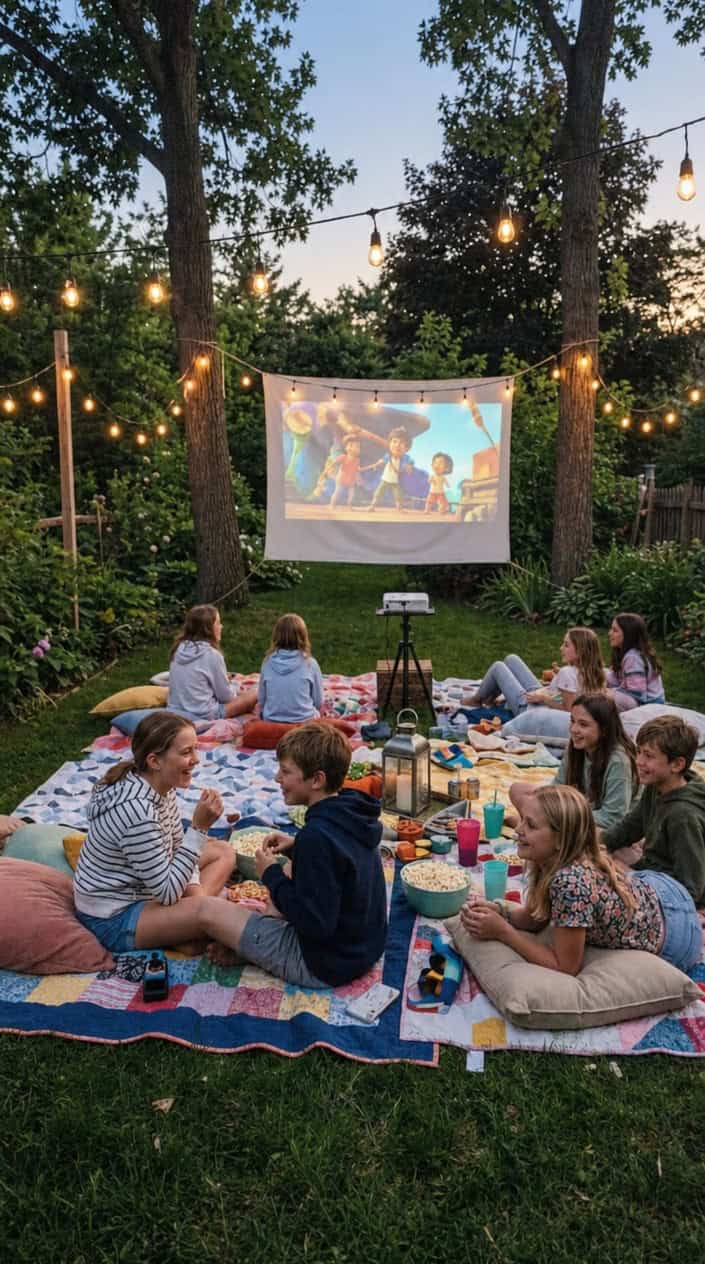
Nights when the boys and I skip the fuss and lay blankets on the grass are the ones they still talk about. After a long week of ball games and church commitments, this feels like simple Sabbath to our little crew. No reservations, no dress code, just grass and sky.
Grab a portable projector, a white sheet or inflatable screen, and plenty of blankets and pillows. Position the projector on a stable surface, test sound with a Bluetooth speaker beforehand, and pick a movie that won’t scare sensitive sleepers. Bring bug spray, a flashlight, and a thermos of hot chocolate or lemonade. Start after dusk so the picture looks sharp.
Let the kids pick the film sometimes. It gives them a little ownership over the evening and keeps the whole thing relaxed instead of feeling like a scheduled event. Trust me, everyone sleeps better after a quiet night under the stars.

HAPPRUN Native 1080P Bluetooth Mini Projector
Check Price9) Sunrise Fishing Trip and Quiet Prayer Time

The hush of morning with my boys, coffee in a thermos and the sky just starting to lighten, is hard to describe to someone who hasn’t had it. We head out before the world wakes so we can talk, fish, and say a short prayer together. Those slow minutes feel like a reset for all of us.
Bring simple gear: a few rods, bait, life jackets, and warm layers, because mornings on the water are always cooler than you expect. Choose a safe, calm spot and teach basic casting and knot-tying one step at a time. Turn phones face down and keep chatter gentle so tweens can focus and start to understand what patience actually feels like in their bodies.
Say a brief prayer of thanks while the sun comes up, and let each kid speak if they want to. Even the quiet ones open up in that stillness. It’s worth getting up early for, every single time.
10) Community Service Yard Clean-Up with Neighbors

When my boys and I go outside and do something that helps people nearby, something shifts in the day. We usually finish up and grab sweet tea while swapping neighborhood news. The boys roll their eyes at that part, but they show up every time.
Bring gloves, trash bags, rakes, and a pair of clippers. Talk to neighbors first so everyone knows the plan and the time. Give tweens simple, specific jobs like bagging leaves, pulling weeds, or trimming hedges so they feel useful without getting overwhelmed. Rotate chores every twenty minutes or so to keep energy up.
This teaches responsibility and puts faith into action in a way that doesn’t require a single speech about it. The work speaks for itself.
Kids who do physical service work alongside adults are more likely to repeat the behavior independently as they get older. Seeing a neighbor’s genuine gratitude lands differently than a classroom lesson about community. The emotional memory of being useful sticks.
Don't lose this article. Enter your email below, and I'll send it to you right now. Plus a little encouragement and inspiration from me, straight to your inbox.
11) Geocaching Adventure Using Phone GPS
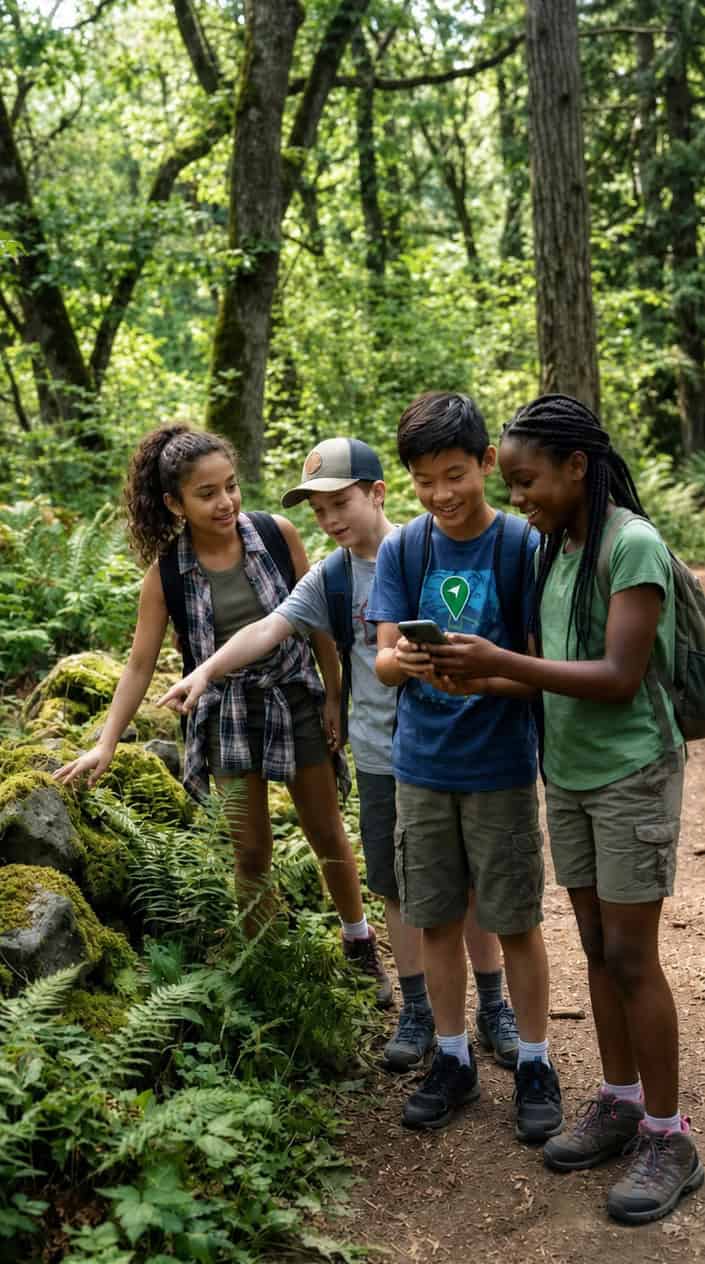
Geocaching in the evening when the heat backs off is one of the sweetest ways to get my boys off screens and back into creation. We usually bring iced tea and pray for good luck finding the little treasures tucked into ordinary places. It’s simple, honest fun that keeps them curious about the world around them.
Download a free geocaching app and create an account. Use your phone’s GPS to navigate to nearby caches, read the hints, and sign the logbook inside. Bring a small pen, a few trinkets to swap if the cache has them, and comfortable shoes. Set a time limit so tweens stay focused and feel like success is actually reachable.
Remind them to respect private property and leave no trace. The look on a kid’s face when he finds a hidden cache tucked behind an ordinary rock is something I can’t fully put into words. You’ll see it for yourself.
12) Frisbee Golf at the Local Park Course
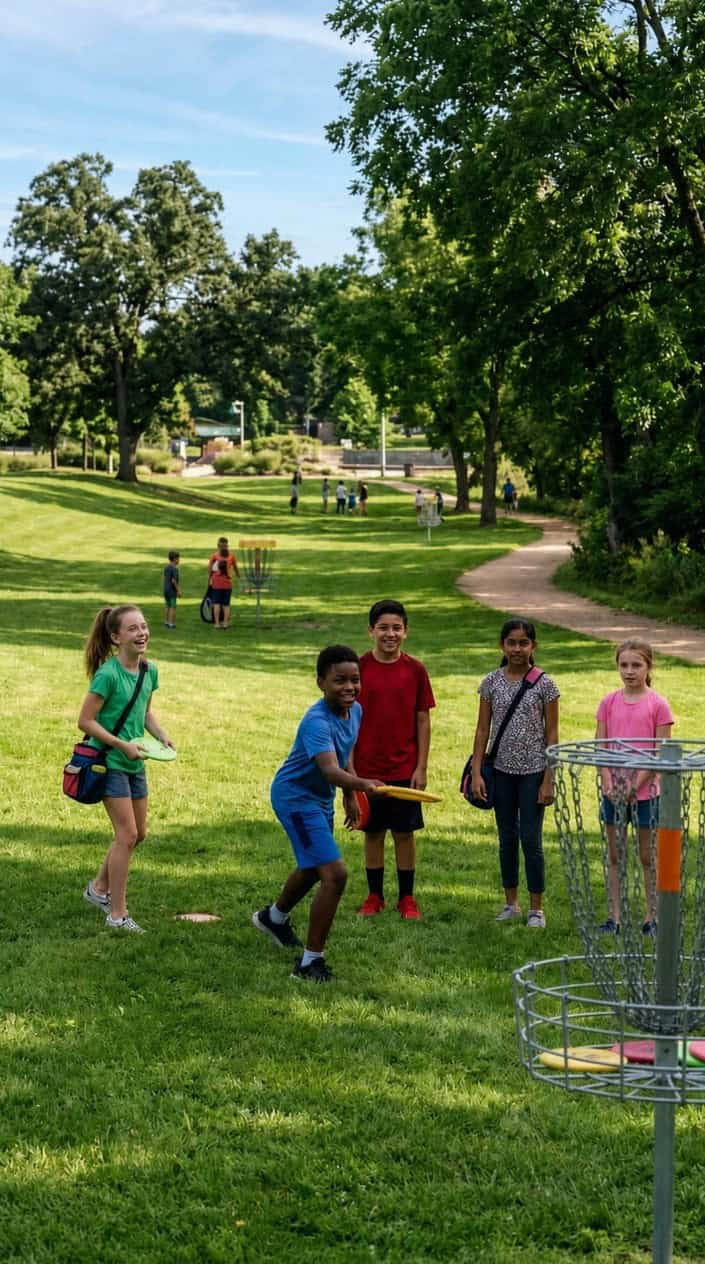
Watching my boys chase a disc across the grass while laughing at each other’s form is one of those small joys that sticks with you long after summer ends. We head to the park after church sometimes, and nobody is checking their phones.
Bring a couple of discs, a driver for distance and a putter for short shots, and wear comfortable shoes for uneven grass. Teach basic throws: backhand for distance, a soft pitch for putts. Keep score if they want, or just play for fun and call out good throws. Aim for short baskets first so kids rack up a few wins early and stay interested through the back nine.
Take a cooler. You will leave tired and smiling, which is exactly the point.
13) Backyard Herb Garden: Planting for the Kitchen
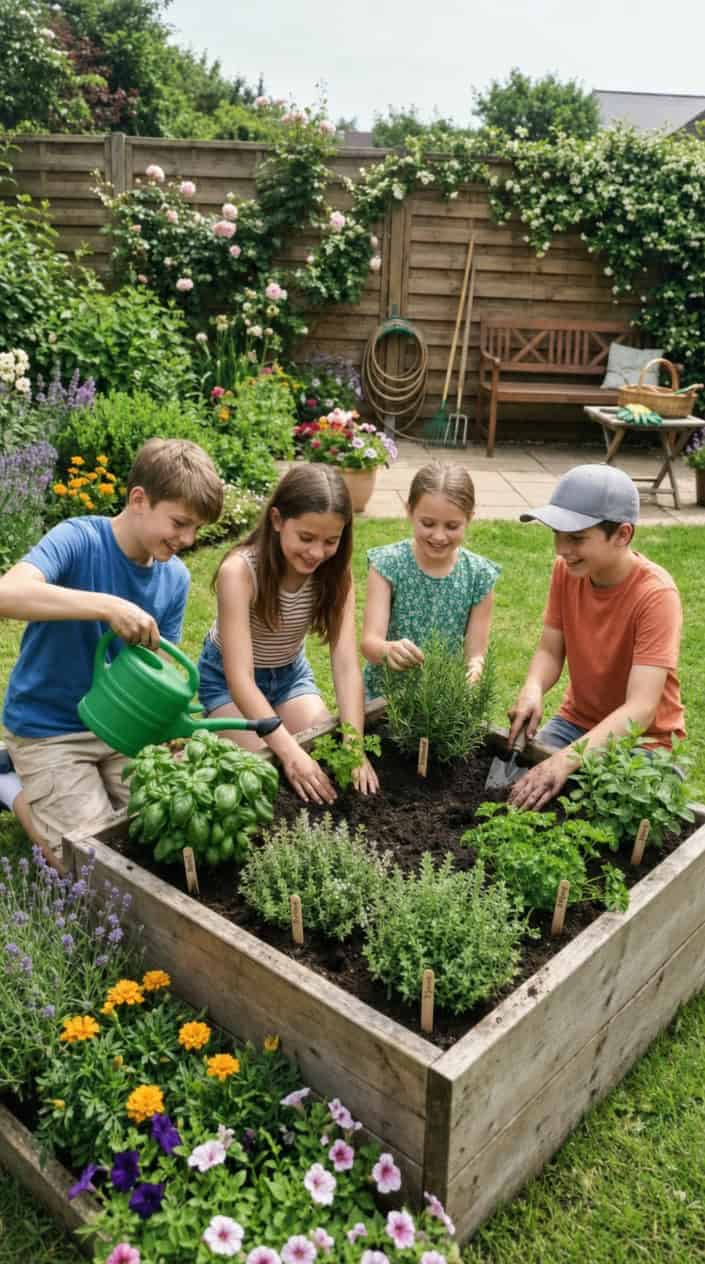
There is something about watching a boy who usually won’t slow down gently tuck a mint plant into a pot between baseball practices. We sometimes sing hymns while we water, which sounds corny until it’s your own kid doing it.
Start with basil, parsley, and mint. They’re forgiving, fast-growing, and actually useful in meals, which gives tweens a real reason to care for them. Give each plant its own pot or a sunny strip of yard and let the kids handle watering twice a week. Teach them to pinch flowers off basil so the leaves keep producing, and show how to snip parsley fresh over a salad at dinner. A small notebook with planting dates helps them track growth and feel genuinely proud of something they made.
You’ll end up with more than herbs. You’ll end up with a kid who asks what’s for dinner because he grew part of it.
14) Trail Hike with a Snack Pack and a Short Devotion
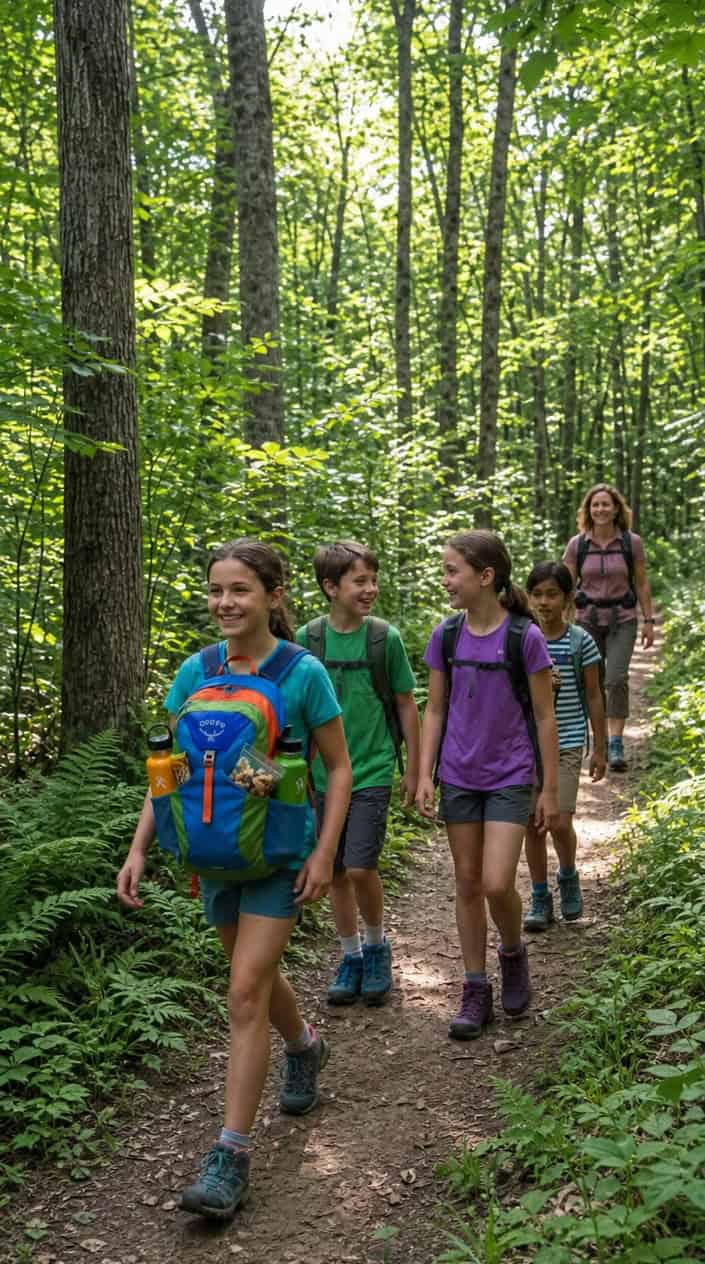
A simple walk can slow down a crazy weekend in a way that nothing else quite can. My boys and I swap phones for water bottles and talk about whatever is on their minds. I pray quietly as we walk, nothing fancy, just gratitude for legs and shade trees and the fact that we’re all still moving in the same direction.
Bring sturdy shoes, water, sunscreen, and a backpack with easy snacks like trail mix and apple slices. Pick a short, shady trail and set a steady pace so tweens don’t get burned out in the first mile. Pack a small printed devotional or a few note cards with a verse and a reflection question you can read together at a bench or a flat rock. Let each kid pick one thought or prayer to share. It keeps them engaged and makes the time feel like it belongs to all of you, not just to the adults.
Come home calmer. That’s the whole plan and it works every time.
15) Slip-n-Slide Relay and Homemade Sprinkler

Backyard water races on a hot Sunday afternoon are a tradition around here that nobody has voted to cancel yet. I like simple fun that wears them out and gives me a minute to sit with a cold drink and be grateful for the chaos I’ve been given.
Lay out a long tarp or store-bought slip-n-slide, add soapy water, and divide into teams for a relay. For the homemade sprinkler, poke small holes in a heavy garden hose or attach a plastic bottle nozzle and hook it to low water pressure so it’s gentle and steady rather than a firehose situation. Use cones or towels as turn markers and let tweens time each other to keep things competitive without being complicated.
Keep towels and sunblock handy. Remind kids to take turns so nobody crashes into each other at full speed. Cheap, loud, and worth the sticky sneakers at the end of the day.
16) Pool Noodle Water Polo

Watching my boys splash and argue over every toss, I always smile because this is exactly how summers stick in a kid’s memory. We bring a cooler and extra towels and somehow always end up staying an hour longer than we meant to.
You need a pool, a few pool noodles, and a soft ball or beach ball. Split kids into teams, use noodles as goal markers, and set simple rules so play stays friendly. Rotate positions for tweens and run short timed periods so nobody sits on the wall the whole game. Keep floats and a spotter nearby for safety, and pick a shaded bench area for breaks so nobody overheats.
Bring popsicles. That’s it. That’s the whole prize system and it works beautifully.
17) Photography Challenge: Nature Close-Ups

My boys fuss at first when I hand them a phone and tell them we’re doing a photography afternoon. Then one of them gets down on his stomach in the grass to photograph a beetle on a leaf, and they’re hooked for the next ninety minutes.
Give each kid a camera or phone and set a simple goal: find five different close-up shots in one hour. Teach them to hold steady, move slowly toward their subject, and use natural sidelight instead of the flash. Look for patterns, textures, bugs, leaves, water droplets, and shadows. Have them crop and compare shots afterward because that comparison is where they actually start seeing details they walked right past.
This sharpens focus, gets them walking, and is genuinely peaceful. Try it after church or before supper on a weeknight. It costs nothing and produces something worth keeping.
18) Evening Firefly Watching (and a Gentle Release)

Chasing those dim little lights after supper is one of the things I hope my boys remember when they’re grown and picking their own summer traditions. We slow down, laugh, and say a quiet thanks for warm nights and small wonders that don’t cost anything.
Bring a few wide-mouth jars with holes punched in the lids, a flashlight, and a soft blanket. Teach tweens to gently cup a firefly and place it in the jar carefully so it can breathe. Keep visits short, twenty minutes is plenty, and show them how to open the jar and let the fireflies go where they belong. This keeps the memory without hurting the insects, which matters.
Try naming a favorite flash pattern together before you let them go. It sounds small. It’s the kind of small that sticks for years.
Making Outdoor Time Family-Focused
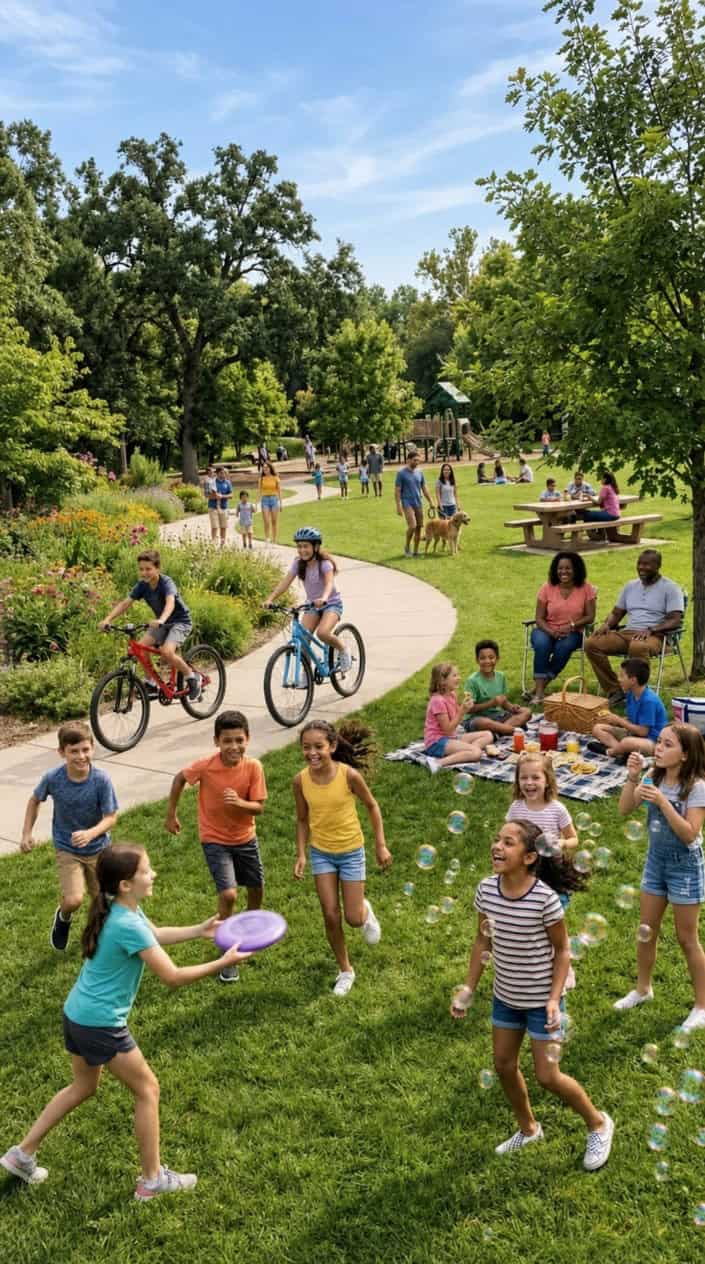
I love when the whole crew ends up outside together: my boys kicking a ball, someone working the grill, and a Bible open on the picnic table. These moments stick because they mix simple fun with the family rhythms that actually matter.
Blending Faith With Summer Fun
I pray before we head out and sometimes read a short verse under the shade tree before we get started. Bring a small Bible or a few printed verses, a blanket, and folding chairs so kids can settle in comfortably. Start with one quick devotional reading, then move into a hands-on activity like a nature walk where each person names three things they’re grateful for. Keep it short and concrete so tweens stay engaged: five minutes of reading, ten minutes of talking, then play. Faith woven into an afternoon feels natural when it’s simple and consistent, not when it’s a production.
Building Traditions That Last
We mark the first Friday of summer with a family cookout and a silly award ceremony for each boy. It sounds ridiculous and they love it every year. Choose one repeatable event — water balloon night, stargazing with hot cocoa, or a summer reading picnic — and set a simple standing date so it actually happens instead of getting pushed to next week forever. Assign small roles like playlist maker or grill helper to give tweens real responsibility without pressure. Keep supplies ready in a bin so you can pull the tradition out fast without a big setup. Traditions last because they’re easy, repeatable, and tied to the feeling of being somewhere together that feels like home.
Encouraging Independence and Growth
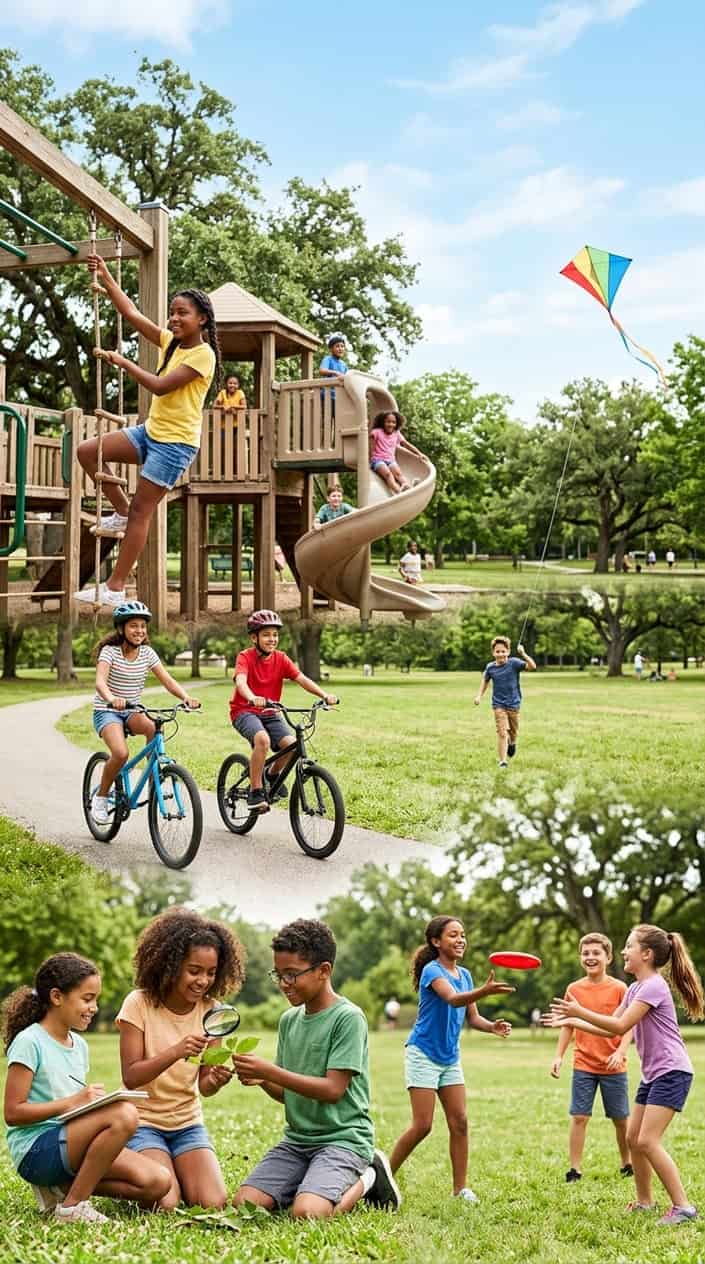
Watching my boys figure things out on long summer evenings after ball practice has taught me as much as it’s taught them. Giving them space to try, fall short, and try again has made them more confident and a whole lot kinder to themselves.
Letting Tweens Lead
My sons pick the route on bike rides and choose which outdoor project we tackle on Saturdays. Start by offering two clear options, like a scavenger hunt or planting a small herb bed, and let them decide between those rather than standing in front of an open-ended question that paralyzes everyone. Give simple tools and a quick demo, then step back but stay close in case they ask. Praise effort before outcome. Say “you planned that well” or “you stuck with it even when it got hard,” so they learn that the decision-making matters more than the result. Small responsibilities like packing snacks or setting the timer build trust steadily over a whole summer.
Balancing Safety With Freedom
Clear rules before we head out are non-negotiable in our house: check in every twenty minutes, wear helmets, and stay inside the neighborhood boundaries we agree on before anyone leaves the driveway. Teach one or two safety skills per outing rather than overwhelming them with a list. How to clean a scrape, how to use a whistle, how to call or text if they need help. Use gear checks and short rehearsals so the rules feel normal and expected, not like nagging. When they follow the rules well, say so out loud. That’s the thing that actually keeps trust growing between you.
Give them a good summer and they’ll carry it a long time. That’s all any of us are really trying to do.