
You know the kind of short moral stories for kids that tuck a little truth into a backyard or a church supper without hitting them over the head with a lesson. I love those stories because my boys hear the whole scene—mud on their knees, a pie cooling on the sill—and they figure out the rest on their own while I drink my coffee.
Don't lose this article. Enter your email below, and I'll send it to you right now. Plus a little encouragement and inspiration from me, straight to your inbox.
You’ll find 23 gentle tales that let children notice and feel what matters instead of being told. I read these aloud between baseball games and bedtime prayers, and they start quiet conversations that stick longer than any lecture.
1) The Empty Jar and the Surprise Guest

I tell this one like I’m watching a church potluck clear-out. A neighbor brings an empty mason jar to my kitchen, saying she forgot the cookie dough, and by supper, my boys have filled it with pennies and tiny notes for someone who needs a smile.
The story quietly shows how small, ordinary acts add up and how kids notice chances to help without big speeches. It stays gentle — not preachy — and lets the kindness sit with you.
I read this after my middle boy slammed the door; seeing him drop in a coin made him melt. Try it after a hard day.
2) Maggie’s Little Library (a story about sharing)
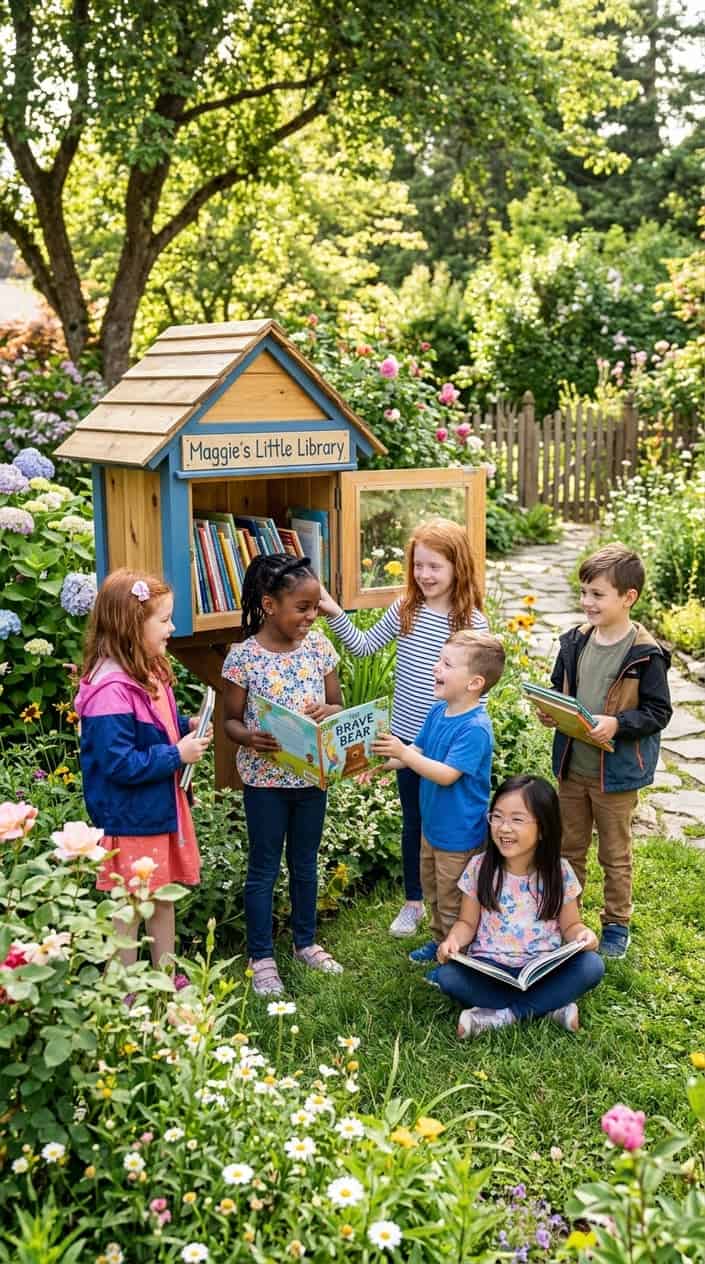
Maggie sets up a tiny bookshelf by the church parking lot and fills it with worn picture books and a mason-jar of crayons. Kids from Sunday school and the baseball fields stop by, take a book, leave a different one, and sometimes they trade stickers like little treasures.
The story slips the point in softly: neighbors swap stories and small things, and everyone walks away with a grin. I like how it shows giving as part of a day, not a sermon.
I read this after my boys fought over a toy truck. It worked better than my scolding — they picked out a book together and started reading.
3) The Boy Who Mended the Fence

One Saturday after a church potluck, I watched my neighbor’s boy patch a sagging fence by the baseball field. He used crooked nails and an old hammer, humming like he’d done it a hundred times. Folks drifted by, smiling, and no one made a fuss.
The story shows quiet care from small hands. It doesn’t shout about right or wrong; it just lets the work speak for itself.
I read this one to my boys after they squabbled over a ball. It calmed them more than a sermon ever would.
4) Grandma’s Lost Button (gentle patience)

We were at the church potluck when Grandma realized a favorite coat had a missing button. My boys helped her look under folding chairs and between paper plates, moving slow and talking soft so she wouldn’t worry. A neighbor even brought a sewing kit from her car, and it felt like everyone took a breath together.
The story shows how calm, steady help matters more than rushing to fix things. Patience looks like sitting with someone while they search, not taking over.
I read this one after my youngest got impatient with a school project. It settled him more than any scolding.
5) Sam and the Scared Cricket
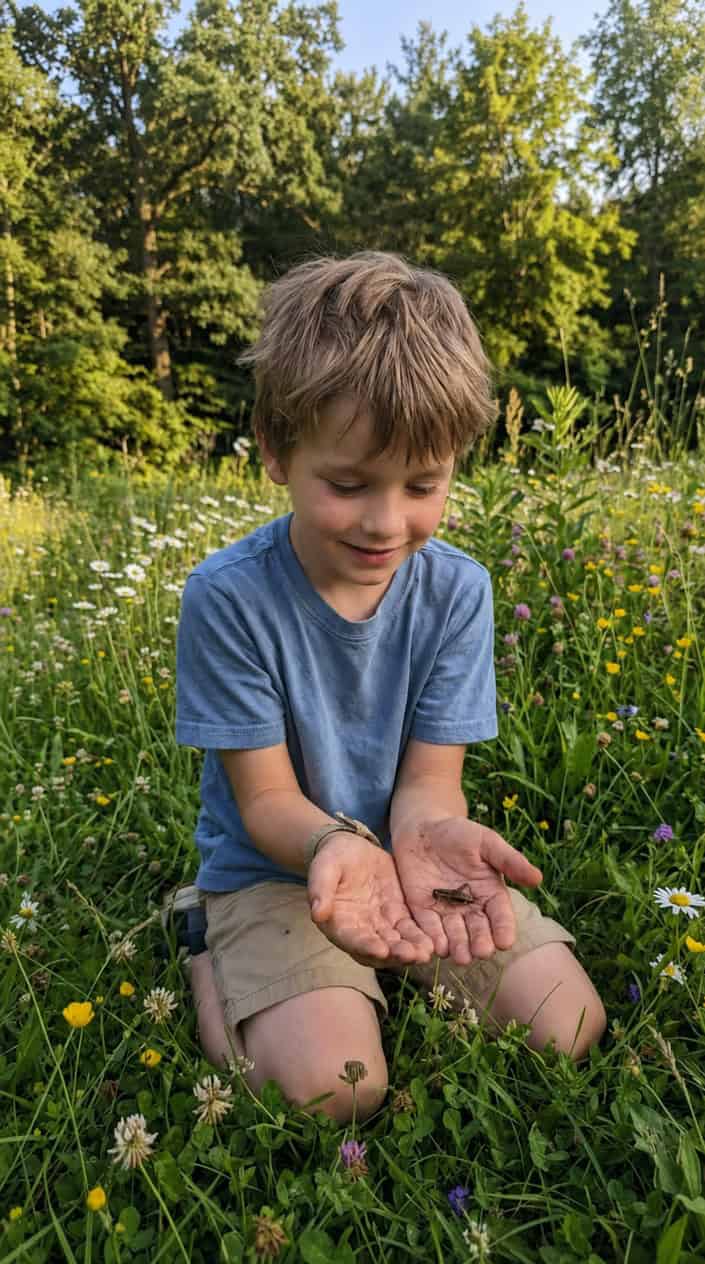
We were sitting on the back porch after a long Sunday at church when Sam found a tiny cricket trembling in the grass. He cupped it in his hands and decided it belonged on the edge of the baseball field, not under the porch light. He whispered to it like it was family, then set it on the outfield fence so it could sing with the night.
The story slides along without preaching. You feel Sam’s care and how simple kindness can steady someone — or something — afraid.
I read this to my boys the week my middle one wouldn’t sleep alone. It helped more than a lecture and gave us something small to talk about before prayers.
6) The Night the Moon Came to Stay

We were at the backyard swing set after supper when the moon dropped low and close, like it wanted to listen to us. A neighbor kid dared my boys to catch its light in a jar, and they ran barefoot across the yard trying, laughing under the porch light and the hum of crickets.
The story shows small wonder in ordinary places — how a simple night can make everyone slow down and smile. It doesn’t preach; it just lets quiet awe sit with you for a minute.
I read this after a long week of practices and a fussy Sunday, and it calmed everyone more than my reminders ever could. Try it on a warm night with cocoa.
7) Tiny Seeds, Tall Trees

I tell this one about my little boy planting mustard seeds in our backyard after church. He dug with sticky fingers by the swing set and watered them every morning like they were baby chicks, all hopeful and impatient.
The story shows how small, steady things add up — a lot can come from very little, given time and steady care. It doesn’t shout a lesson; it lets you watch the slow change.
I read it to my boys after one of them wanted everything fixed right then. It calmed him down more than any scolding, and we talked about patience while shelling peas at supper.
8) The Girl Who Laughed at Rain

I tell this one about a little girl who dared the sky from our backyard swing set while a church picnic rumbled on down the road. She danced in a drizzle and laughed when everyone else scooted under the pavilion, grinning like she’d found a secret no one else knew.
The story drifts gently—how small choices can change the feel of a day, and how the same rain can be a bother or a blessing depending on your shoulders. It keeps its feet on the ground and doesn’t wag a finger.
Read this after a wet ballgame when somebody’s upset about a canceled practice. My boys listened closely, and for once, they let the puddles speak.
9) Nathan’s One Honest Lie

Nathan and I sat on the metal bleachers after his little league game, popcorn stuck to the seat. He told me he hadn’t taken the extra cookie from the church bake sale box, even though crumbs led from the table to his shirt. I could see the guilt in his jaw, but he swore he’d left it there.
I didn’t make a speech. I asked about the cookie and about how hard it felt to say something tricky when everyone was watching. He sighed, told the truth, and we walked back to return the change.
I read this one the night my oldest hid a toy he’d broken. It opened a small, real talk without lecturing.
10) The Duck Who Wouldn’t Follow
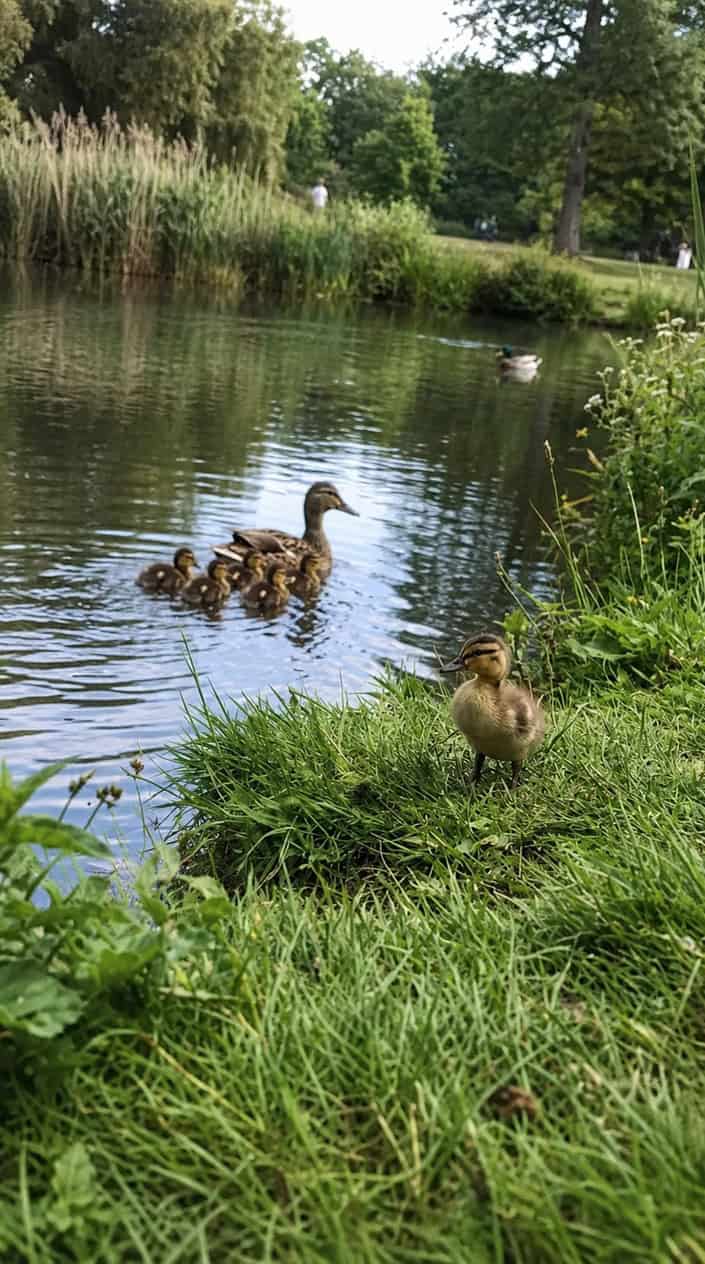
We found the little duck one summer behind the church fellowship hall, wobbling by the baseball field like he had somewhere better to be. I watched him ignore the other ducks marching straight to the pond and strike off toward the cornfield instead. My boys laughed, then cheered when he climbed a low fence and kept going.
The story lets you feel the quiet stubbornness — not rude, just different. It shows how someone can choose a small, brave path without drama.
I read this after my middle boy argued about team practice. It helped him see it’s okay to take a different step sometimes, and then come back to the group when you’re ready.
11) A Blanket for Two (about comfort)

We were at the church picnic when a thunderstorm sent folks running under the pavilion. I tell it about two cousins sharing a frayed quilt on a picnic bench, elbows touching, giggling while the rain pattered on the tin roof. One boy offers the blanket when the other shivers, and they both end up snug and quieter than the storm.
The story stays soft — it shows how small kindnesses make big comfort without a speech. You notice chances to lean in, pass the quilt, or say a quiet word.
I read this after my youngest came home upset over a lost baseball glove, and the scene helped him see how a simple gesture makes a hard day easier.
12) The Kite That Forgot How to Fly
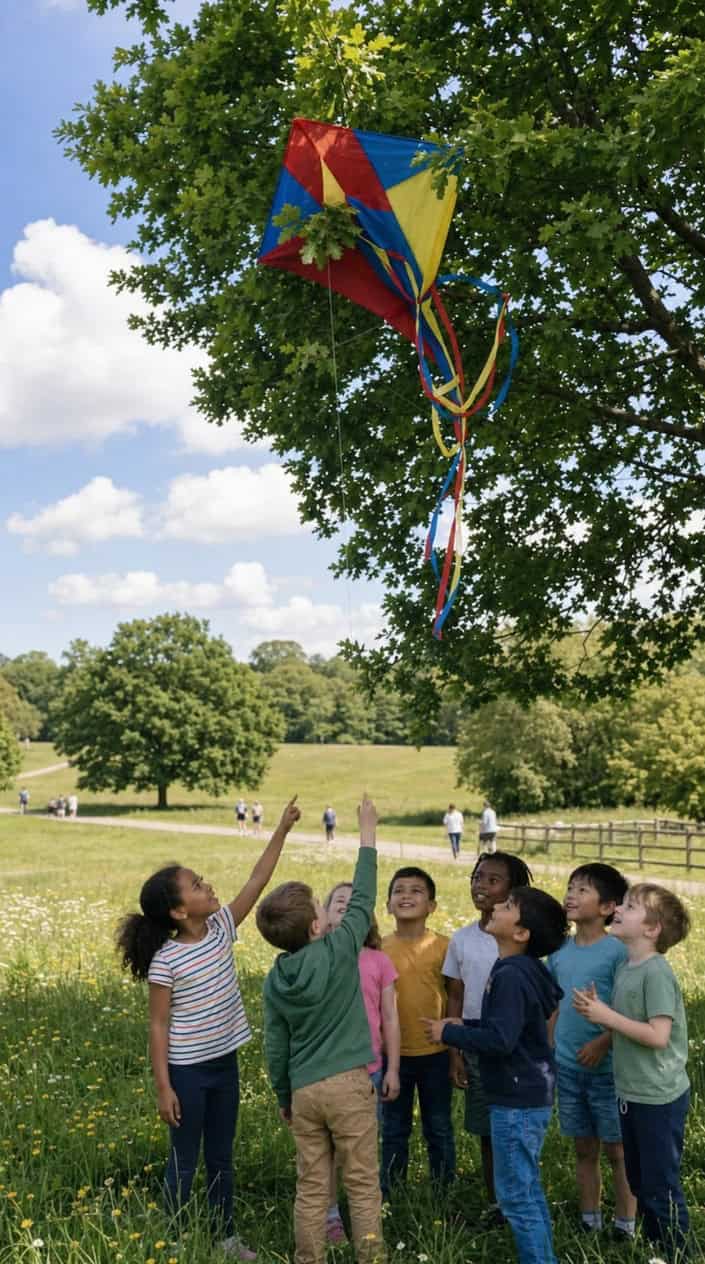
We found this kite stuck in the backyard pine, old and faded from last summer’s league picnic. My boys and I climbed the fence, untangled the tail, and tried to coax it into the wind like we were calling an old friend back to life. It wobbled, then soared a little, then dipped, like it was learning its wings again.
The story shows how small patience and steady hands can help someone try again without a big speech. Quiet care matters more than a lecture.
I read this after a Saturday game when my youngest felt left out on the dugout. It helped more than my scolding, and we laughed, fixing the tail together.
13) Mrs. Carter’s Missing Pie

Mrs. Carter brought a blackberry pie to the church supper and set it on the windowsill while she visited the baseball field to watch my youngest play. When the bell rang, and everyone went back inside, the pie was gone, and folks started whispering. I walked with Mrs. Carter around the church yard like we were detectives, asking gentle questions and listening more than talking.
The story shows how small towns can get noisy when something goes missing, and how kindness and patience calm people more than quick blame. It ends with a quiet fix that makes everyone feel seen again.
Don't lose this article. Enter your email below, and I'll send it to you right now. Plus a little encouragement and inspiration from me, straight to your inbox.
I read this one after my son blamed a teammate for breaking his glove; it helped him say sorry without me turning it into a big sermon.
14) The Little Train That Stopped to Help
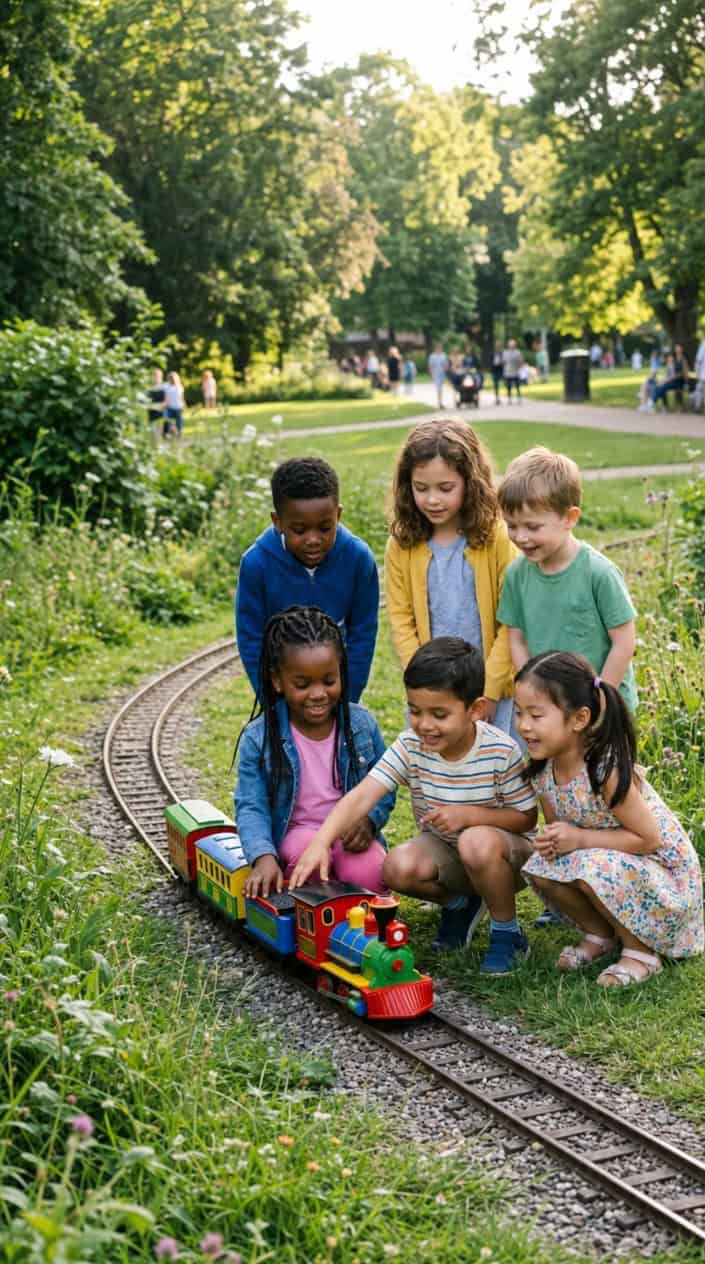
A rusty little train was chugging past the churchyard when it heard a bike bell and a small voice stuck on the tracks. I picture my boys at the ballfield, faces smeared with sunflower seeds, while the train gently backs up and nudges the bike to safety. The neighbors clap from the potluck lawn.
The story stays soft — nobody shouts or grandstands. Folks notice kindness, and it spreads quieter than a sermon but just as steady.
I read this one after my youngest scraped his knee and wanted to feel brave. It settled him more than my worrying did.
15) Lucy’s Quiet Courage

Lucy kept to the edge of the churchyard while the other kids chased fireflies. When the porch light went out, she slipped inside to fetch Grandma’s prayer book without making a fuss. She didn’t shout or stand on a chair — she just did what needed doing.
The story shows bravery in small acts: standing steady when things get awkward, helping without asking for credit. It settles like a soft hymn, not a sermon.
I read this after my youngest froze up before a big game; it helped him see courage doesn’t always roar.
16) The Pencil That Wouldn’t Break

We were sitting on the back porch after a church supper when my youngest started carving the end of his pencil with a pocketknife. He kept snapping it, trying to see how many times it would break, then gluing it back together with gum until it held. The neighborhood kids gathered around like it was a baseball trick.
The story shows patience and stubborn little faith without browbeating. It lets you feel the quiet pride in fixing something small and imperfect instead of tossing it away.
I read this one after my boy got frustrated with a broken toy. It helped him calm down more than my scolding did.
17) The Caterpillar Who Wanted to Sing

We found this one tucked under the azaleas after Sunday supper, with kids sprawled on the picnic blanket and my youngest swinging his legs. A small caterpillar keeps practicing song notes whenever the congregation choir walks by the church hall, dreaming of a stage bigger than our backyard porch.
The bug’s voice sounds odd at first, but he keeps at it until his humming fits the tune. It sits quietly and softly, the sort of story that shows patience and practice without spelling it out.
I read this after a Saturday when my boy decided he’d never be any good at piano. It calmed him down more than my lecturing did.
18) The Storm That Taught Us to Pray
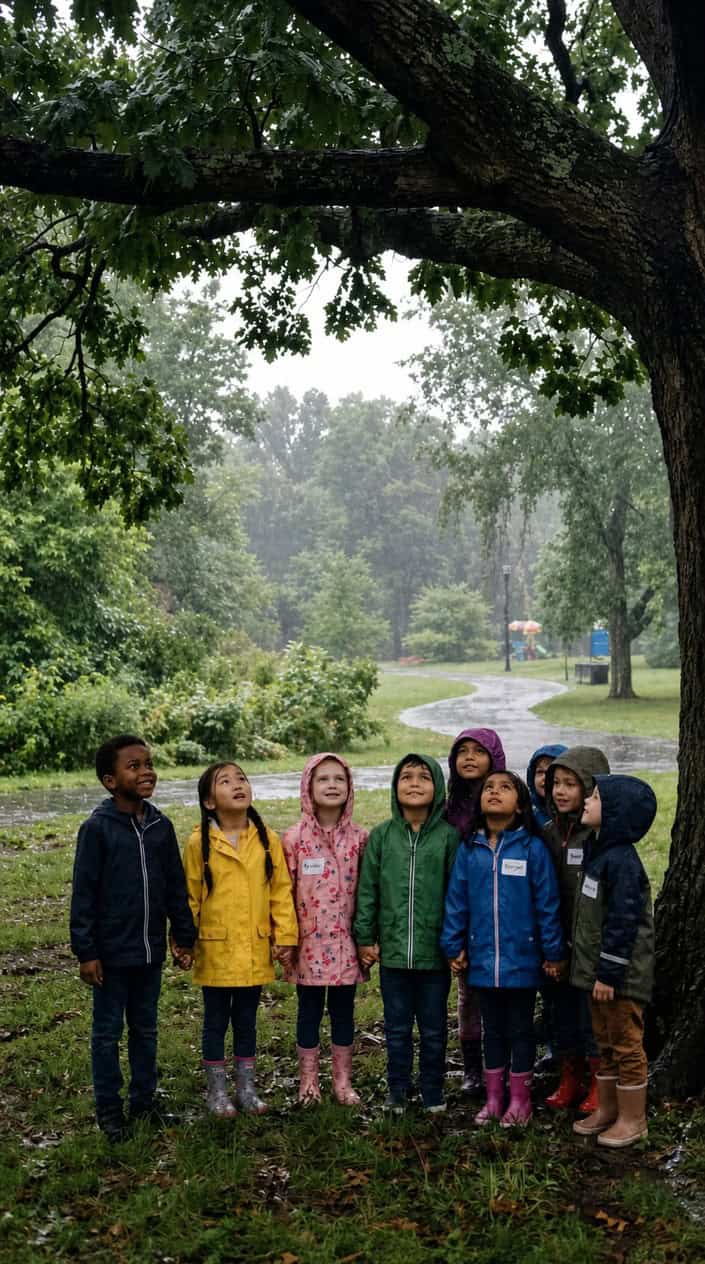
We were parked by the ballfield when the sky turned hard and fast. My boys and half the team ran for the dugout while rain hammered the tin roof of my truck, and the church bell down the road pealed like it meant business.
I kept my hands on the steering wheel and felt small, but I whispered a simple prayer out loud so they could hear me. Nobody shouted answers; we just sat there breathing together until the worst passed.
We read this after my oldest came home scared of thunderstorms. Saying a short prayer helped him calm down more than any long talk I might have given.
19) The Neighbor Who Brought Hotcakes

We were at the church potluck when Mrs. Carter walked in with a stack of still-warm hotcakes in her cooler. She set them on the folding table by the casseroles and quietly offered one to a boy who had been left out of a game at the field earlier that afternoon. The room hummed; nobody made a fuss.
Watching her, I noticed how a simple plate changed the mood without a speech. It felt like kindness that didn’t ask for thanks, just filled a small hole.
I read this one after my youngest got shut out at baseball practice and it softened him more than any lecture did.
20) The Little Clock That Kept Promises

A worn kitchen clock in my mama’s old trailer sits above the stove, and that’s where this story lives — a tiny clock that ticks steady through pancake Sundays and Saturday games. A boy borrows it to time his chores before church and promises to bring it back, but life gets loud with a baseball practice and a casserole to take. He returns it, late and honest, and the clock keeps on ticking like nothing dramatic happened.
The quiet part of the story is how small promises matter more than big speeches. It shows how keeping a simple word makes people trust you again.
We read this after my son forgot to bring money for the bake sale; it helped him feel better than my scolding ever did.
21) The Shoe Under the Porch
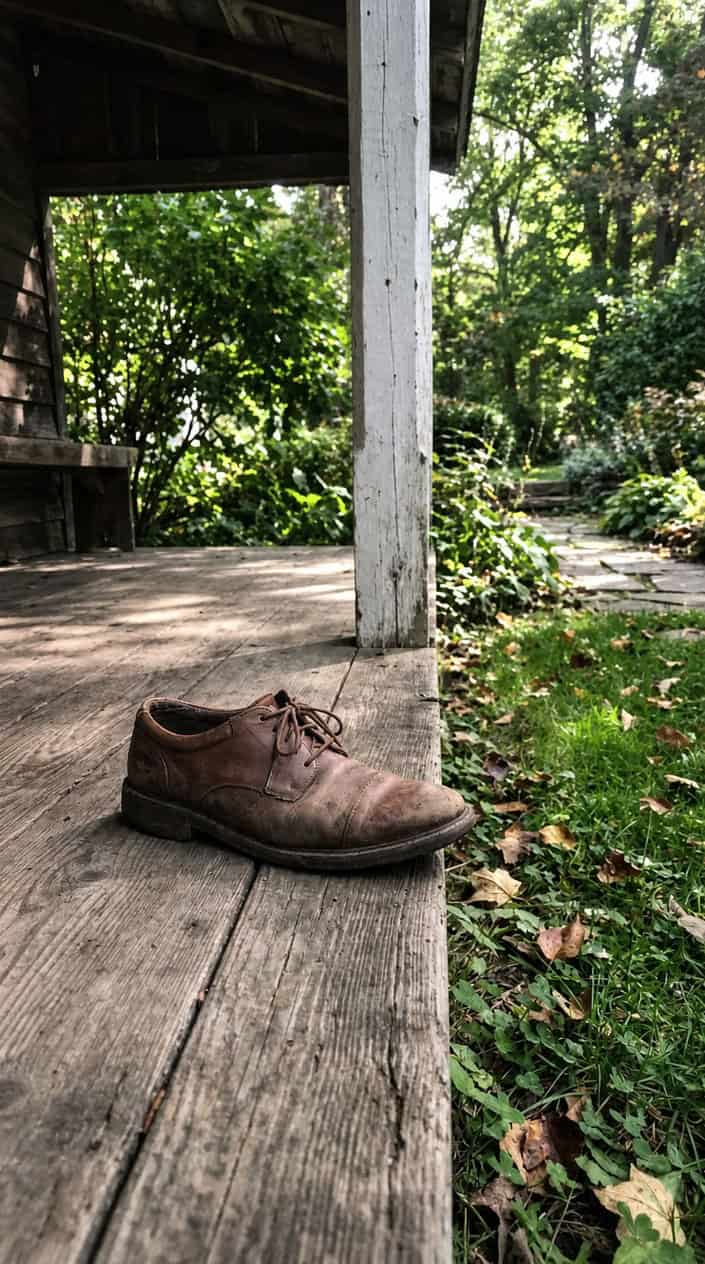
A kid finds an old, muddy sneaker tucked under our back porch after a rain. He carries it to the baseball field, wondering who lost it and why it was left there like a secret.
The story shows that small things matter — a forgotten shoe can start a conversation, a kindness, or a memory. It doesn’t preach; it lets you notice how people and things get overlooked in busy lives.
I read this after my youngest left a cleat at the church picnic, and it nudged him to ask around instead of pretending he didn’t see it. Try this one when the boys are restless; it calms them without sounding like a sermon.
22) The Baker’s Secret Ingredient

We meet a small-town baker who runs his stand by the church parking lot after Sunday service. Kids crowd around for warm biscuits, and he always smiles like he knows everyone’s story. One afternoon, he lets my youngest sneak a peek at the mixing bowl, and they both find an old recipe card tucked inside.
The story moves slowly and kindly, showing how simple routines hold gentle strength. You see how small acts — showing up, offering a plate, keeping family recipes — steady a neighborhood without loud talk.
I read this after a long weekend of errands and it settled us down better than my reminders ever could.
23) The Two Brothers and the Old Dog
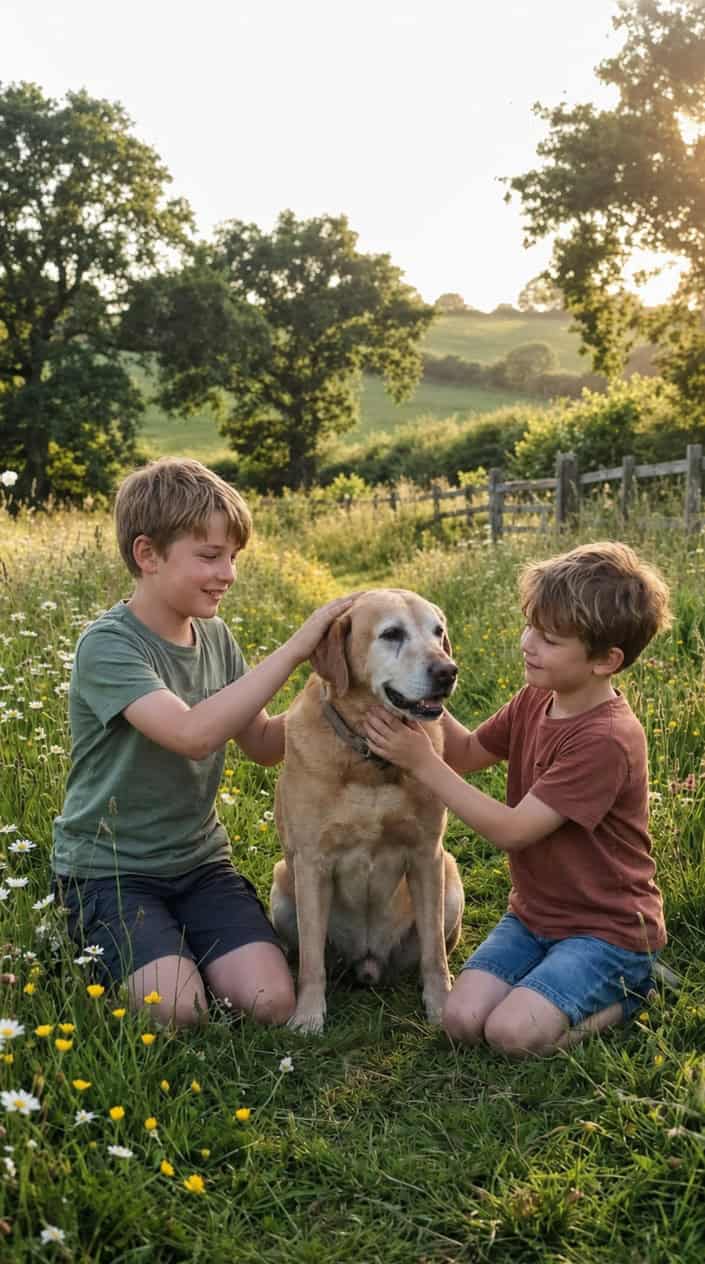
We found this one told slowly on a front porch after church, about two brothers who argue over an old hound that wanders into their yard. One boy wants to keep him, the other says he belongs to no one, and their back-and-forth gets louder than the sermon that morning. In the end, they learn to share the dog’s care without a big fight.
The story settles into small, useful moments — who feeds him, who sleeps with him on cold nights — and those moments do the teaching without a lecture. It quietly shows how patience and small acts matter more than winning an argument.
I read this after my boys fought over a glove at practice, and it calmed them more than my scolding ever did.
Letting the Story Do the Talking

I set this on a summer evening after Little League, when the kids are sticky with Gatorade and the porch swing creaks. The scenes stay small — a dugout whisper, a paper plate at a church supper — so the tale feels like it happened down the street.
Why Gentle Stories Stick
I tell this one about a boy who borrows his granddad’s old glove and loses it behind the church gym. He and his sister search under folding chairs and beneath a banner for the fall picnic. They don’t raise their voices; they trade jokes and share flashlights until dusk.
Watching them work together, kids notice the slow giving and the relief when the glove turns up. Readers pick up on patience and quiet helpfulness without a sermon. I read this after a late-night argument between my boys, and the calm in the pages settled them more than any lecture.
Balancing Fun and Thoughtfulness
This tale hits the ballpark bench with kids trading silly cheers and then pausing to help a younger player tie his cleats. The story stays lively — nicknames, a missed fly ball, a muddy slide — while a small kindness threads through the scenes.
Kids laugh at the funky nicknames and remember the kind act because it lived in the play, not in a boxed message. I like to read it when we come home smelling like sunscreen; the boys grin and start their own small helpful habits after one chapter.
Bringing Meaning Home

I tell this story like I’d tell it to folks after a church supper—soft and plain, with details that make you nod. You’ll find quick ways to talk about what happened and small habits to weave the story into your kids’ days.
Simple Conversations After Reading
We read it on the back porch after a rained-out game, so the kids could see the mud on their cleats and still listen. The boy in the story loses a ball at the baseball field, and a neighbor quietly returns it without fuss. I say the events plainly and ask one small question: “What do you notice?” That gets them talking without feeling tested.
I keep answers short and let their words sit. I might say, “Tell me one thing that surprised you,” or “Who would you have told?” Those prompts help them name feelings and choices. I once read this after my oldest argued with his brother; a single question settled more than a lecture ever did.
Growing Faith in Everyday Life
We imagined the same characters at Sunday school the next week, passing a snack tray without making a show of it. I read the scene and point out the ordinary moments—sharing a blanket, offering the last cookie—so faith feels like daily acts, not a big speech.
I connect small choices to prayer and scripture gently, like, “Who might we pray for at the ballpark?” That keeps faith practical and simple. My tip: repeat one brief phrase from the book at bedtime to help it settle—my boys remember it more than I expect.