

The other day, I went to the back porch to watch my kids. They were under the pecan tree in the yard. They were playing with some blankets and a bunch of random toys. I sat in one of my chairs, and I crossed my arms. They stopped asking me how to do things to them, and then they started arguing, laughing, and doing things for themselves.
Don't lose this article. Enter your email below, and I'll send it to you right now. Plus a little encouragement and inspiration from me, straight to your inbox.
Taking small breaks can help your kids to build camaraderie, exercise patience, and think of new and creative ways to get the job done. I’ll offer tips that will help you get comfortable with stepping back so that your kids can work through their challenges on their own, and only step in when it is really necessary.
1) Set up a loose play challenge (build the tallest fort you can with blankets)
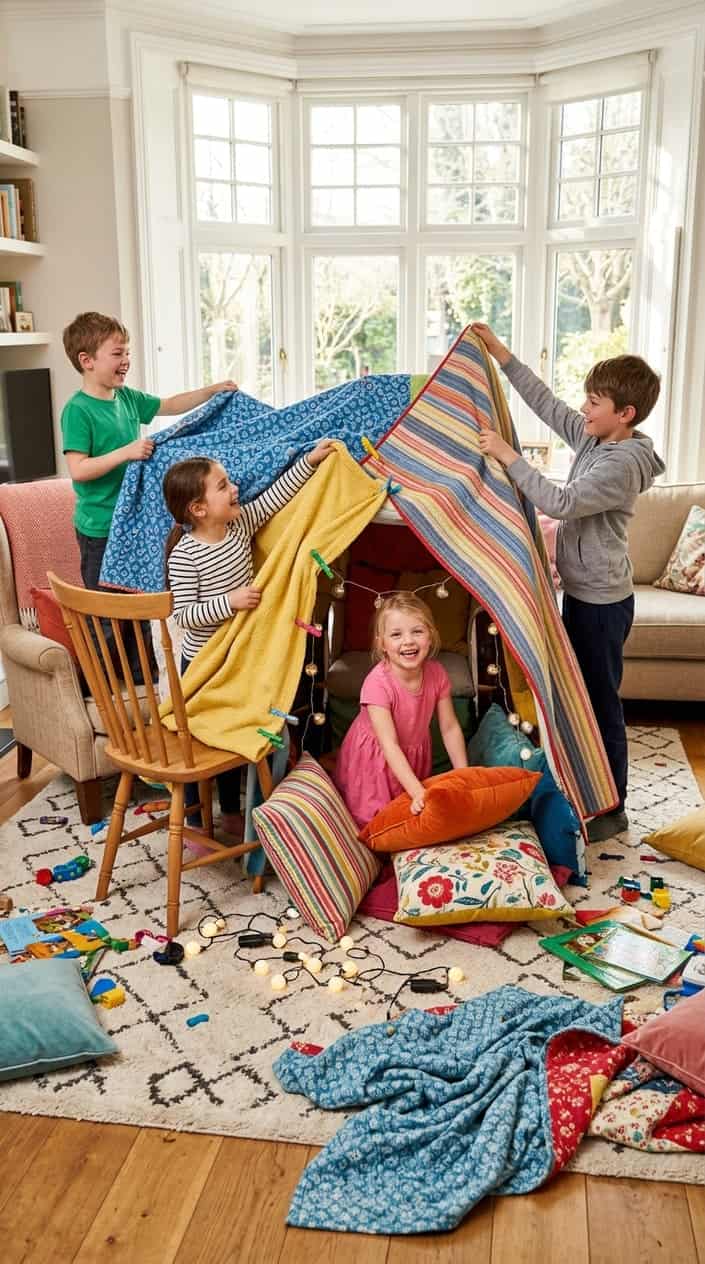
The other day the boys decided to take the blankets and chairs from the entire house to the living room. They tried to build a fort and started arguing. They made a plan and cheered when one of their towers stayed up long enough for everyone to go have snacks.
I take a backseat and observe them analyze risks and figure out how to balance tasks and responsibilities. I observe while they generate solutions to new problems. I watch them learn to negotiate and work collaboratively without needing my assistance to resolve their dilemmas. I watch them when the coordination of the group is off, and then I watch them when they collectively figure out how to become steady.
As the door stands before me, I watch and smile, praying to God for the patience to continue waiting. I can stand there and let them do it all and watch them gain confidence in the confidence it provides, doing the work while it is still messy and still real. I get pleasure from standing back and letting them do all the work. It is also much quieter and more relaxing to watch than to actually step in and do something.
2) Give them a two-item snack plan and step back
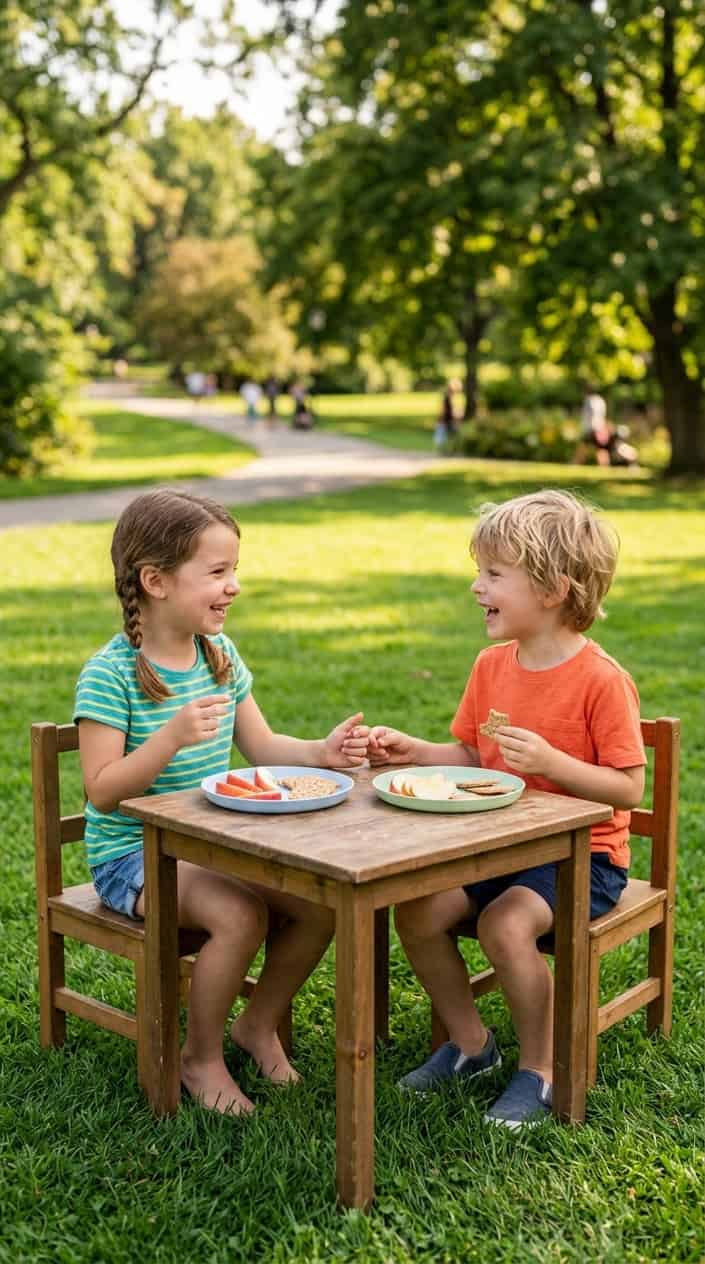
Last Saturday, I saw my boys arguing about juice pouches.
When I provide them with only two choices, I get to see the children make their own decisions and negotiate. They practice expressing what they want and trading, as well as taking turns. I have the children practice patience and endurance as I step away and let them work through little challenges and relish in small achievements.
I sip my coffee and pray while they are cleaning the mess. Letting them do this crucial job gives them confidence in important ways both at home and in the field.
3) Designate a “grown-up-free” backyard zone
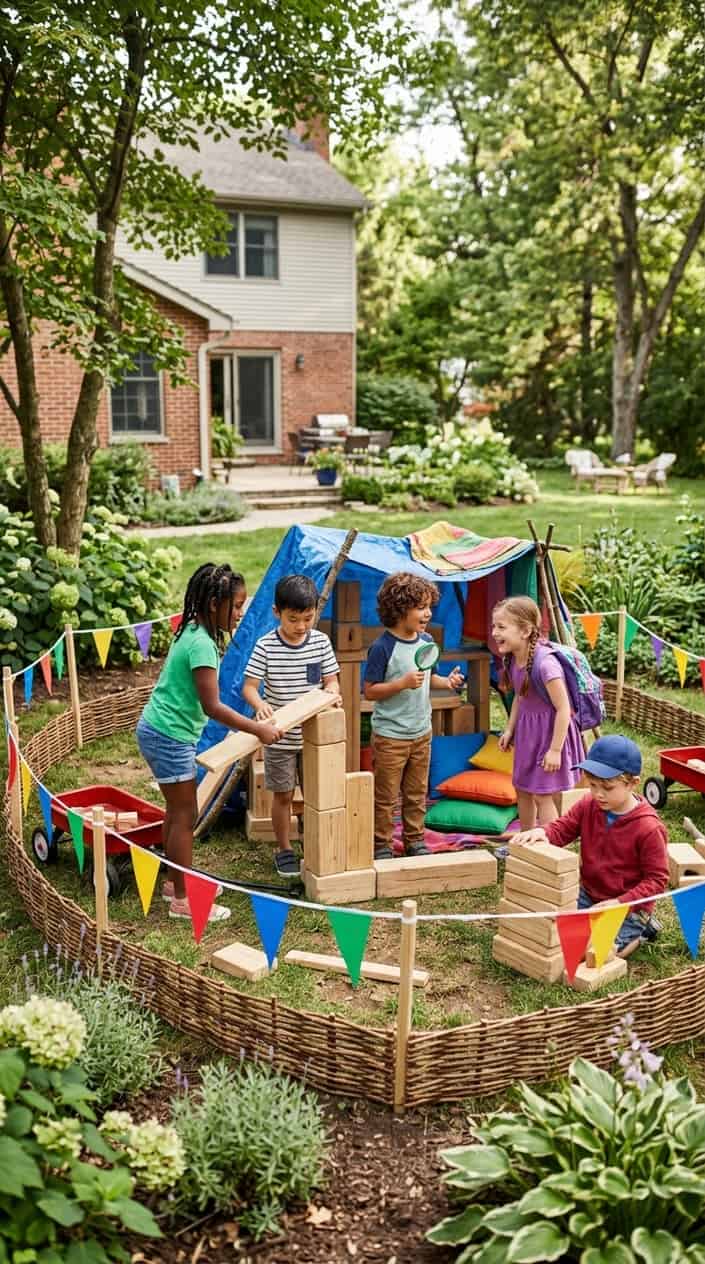
I saw my boys last Saturday fighting over a blue blanket behind the azaleas. I watched them from the porch as they came up with rules for the fort they were building. I was also enjoying my coffee.
When I take a step back and provide space, they take initiative without being directed. They actively practice sharing, resolve minor disputes, and develop effective plans for collaboration. They react positively to the ownership and exercise responsibility in small, gradual ways.
I don’t leave my boys unsupervised when I give them space. I allow them to have a designated area in the yard so they can practice being braver, kinder, and a little more independent.
4) Rotate one toy box each week and let them decide games

Last Saturday, I placed an old box of blocks by the couch. The boys, of course, didn’t follow my usual pre-lunch commands and constructed an entire obstacle course.
Allowing them to utilize just one toy box for an entire week really lets me see their creative and flexible thinking. They do their own trading, settle disputes, and resolve little issues without any of my help.
Watching them work things out is such a blessing. I say a little prayer, do a bit of laundry, and leave the problem-solving to them.
5) Offer a single timer for turn-taking and leave the rules to them

I may not have made it to you, but I remember putting a single kitchen timer as my kids were arguing over who got the next go on the swing. They each watched the timer and settled the arguments over what counted as a full turn without me getting involved. It was noisy, it was not ideal, but it was something.
Giving them a single timer, I step back and let them determine the details. These include how long a turn is, who gets to decide about cheating, and when someone can have multiple turns. Because the timer gives a boundary, they focus on negotiating instead of asking me to make decisions.
I try to let the kids help set the rules whenever possible. It’s a small way to get them involved in problem-solving. I tend to be more hands-off and do a bit of praying as things go along. I appreciate how they manage to work these things out.
6) Suggest a story-starter and let siblings finish it together
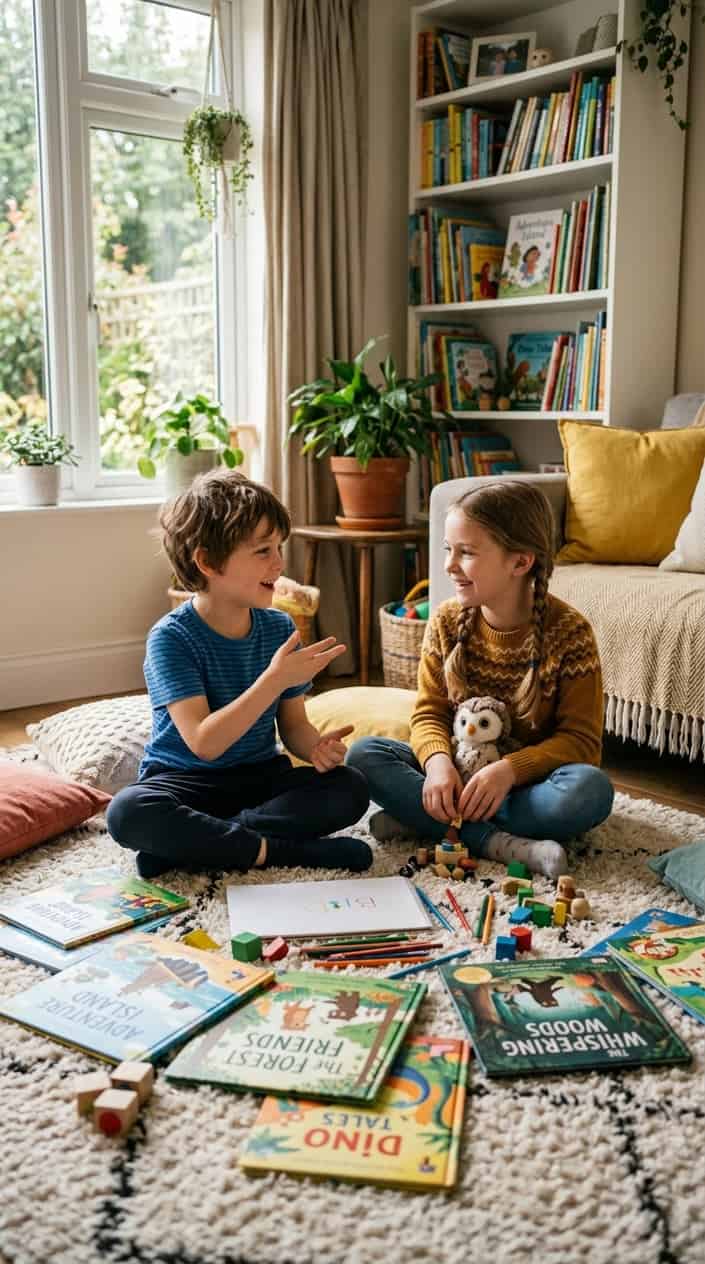
My kids got quiet for a moment and then began to laugh and fight over the story of the glove. Their first line about a baseball glove that could talk was a little ridiculous, but all of a sudden, they had an entire narrative. They began to scheme, assign characters, and dive straight into the action. I can recall doing the laundry while I listened. It felt a bit like eavesdropping, but it was sacred and everyday all at once.
All it takes is a small push, be it a sentence, a location, or an issue, and they engage in active listening, creative problem solving, and exercising their imganinations to envision the next steps. I do not need to resolve the conflict, nor do I need to guide the direction of the story; they do all of this on their own.
I leave the room quietly, proud that they are able to continue what I began.
7) Introduce a shared chore game (feed the dog together)

With great anticipation, I observed my sons approach the dog bowl as if it were a covert operation. They giggled and bickered about who would be the one to pour it out. In some miraculous, non-referee kind of way, they managed to establish a rotational system.
From the side, you can see how they learn teamwork and a bit of leadership; one goes to scout the kibble, the other brings the bowl. These small tasks teach responsibility in ways I could never achieve by simply telling them what to do.
I quickly say a prayer of thanks, and I leave them be. I don’t think I can describe the feeling of watching your children tackle minor issues independently while holding faith that they will finish a big task as a group.
8) Host a quiet craft basket and don’t micromanage outcomes
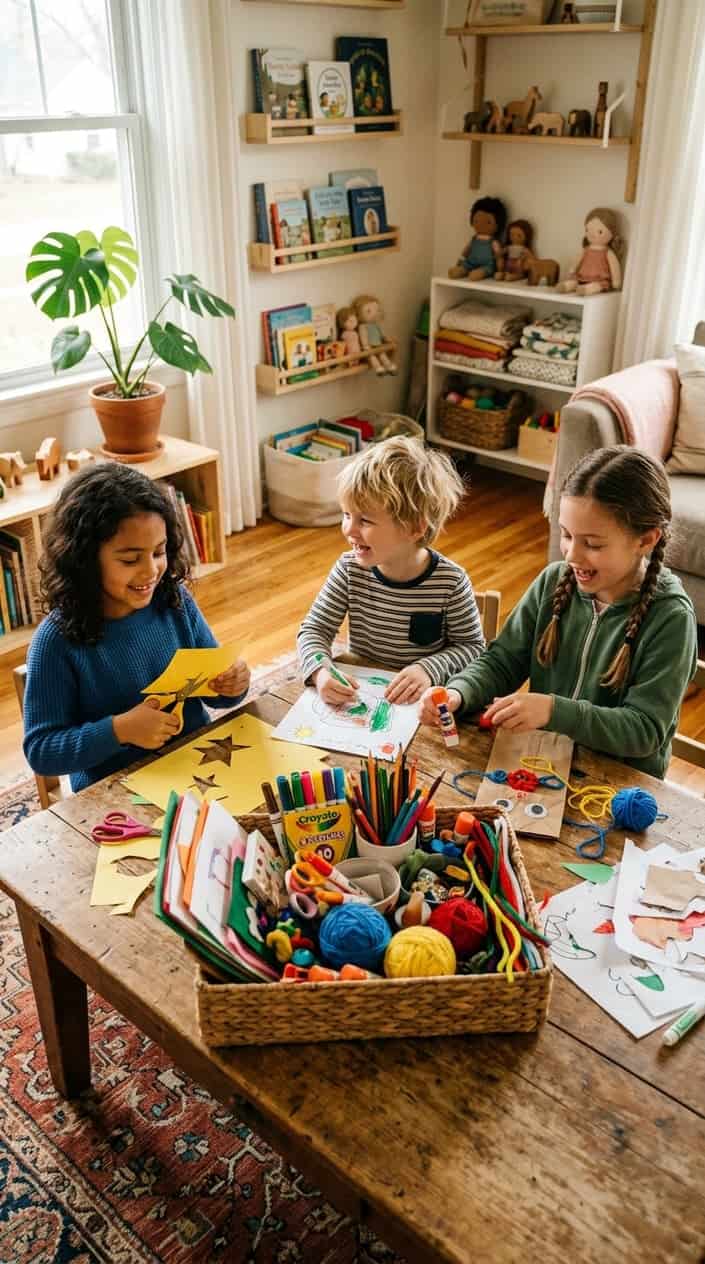
Last Sunday, my boys were at the kitchen table with a basket of paper, glue, and some ribbons, and for 5 minutes, they argued over who would get the sparkly pipe cleaners. After that, they seemed to enjoy each other’s company as they made a huge mess for almost an hour.
To solve problems, the children try different methods. They test glue, trim edges, and choose colors for collaborative projects. Regarding the development of problem-solving skills, the most beneficial thing is practicing patience, and the most beneficial thing is practicing patience, and the most beneficial thing is practicing patience.
Coffee in hand, I sit in the doorway, watching and praying for grace. Allowing them to own the chaos teaches me that small liberties foster a growing confidence.
9) Invite neighborhood kids over for free play and answer only safety questions
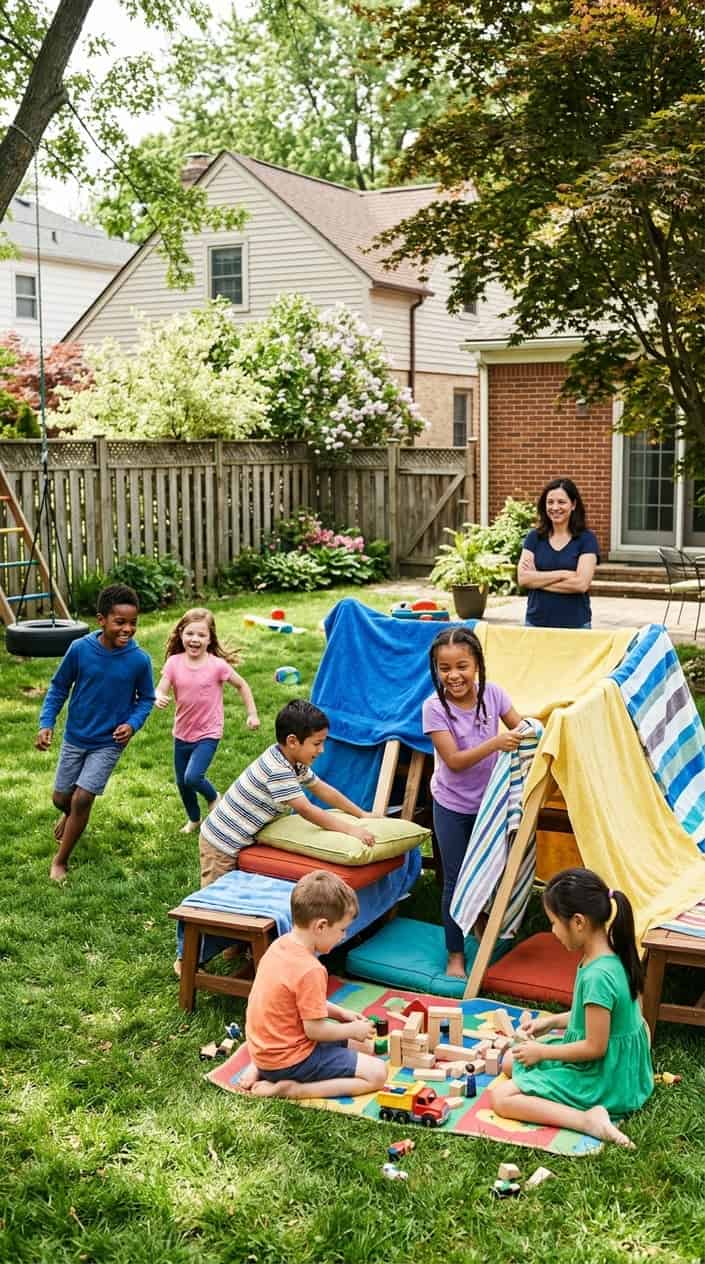
Two boys from down the street came barreling into my yard last Saturday. They had a dirt bike plan and some action figures. For about an hour, they established rules, argued over the captain position, and quietly repaired a toy that had broken.
If I only consider the safety questions and hold back, they will unilaterally decide to share, make rules, and take on leadership roles without any input from me.
While sitting on the porch, having a coffee, and a little praying. It is nice to see and know I’m close to needing it. Letting them figure it out gives them confidence and me a good feeling knowing I’ll be nearby if it’s needed.
10) Leave a mystery box of costumes for imaginative play

The other day, I saw my kids climb into one of those big shipping boxes and declare it a pirate ship. There was some arguing and hat trading, but then they all silently came to an agreement on who would be captain.
Don't lose this article. Enter your email below, and I'll send it to you right now. Plus a little encouragement and inspiration from me, straight to your inbox.
The children are able to assume different positions, solve disputes, and establish new guidelines when I temporarily leave the box. No one guides them, allowing them to practice their ingenuity, develop the ability to compromise, and narrate in their own, noisy, disorganized, and messy way.
By exercising silence and patience, I can witness moments of collaboration, both big and small. I usually smile with appreciation when I see how, without any guidance from me, they manage to construct a common narrative in their pretend play.
11) Create a simple rule chart and let them enforce it among themselves
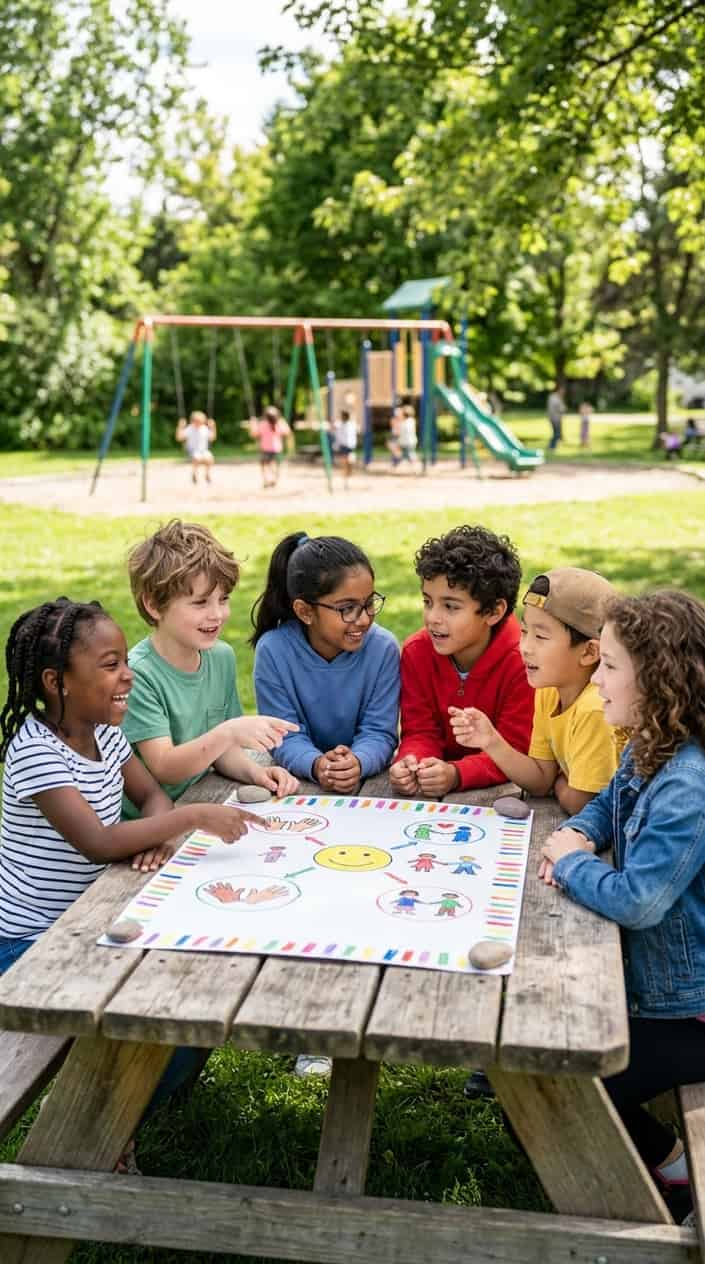
My boys made a crayon chart on the order of who gets to play with the toy truck. After five minutes of arguing, they calmed down and accepted the chart they had drawn. I just sat on the porch and did a little praying.
When I take a step back and give them an easy, simple chart, they really take ownership. They know what’s fair and hold each other accountable without me having to step in. That practice builds small muscles of fairness and honesty.
I’m not talking about being bossy, just a few simple rules everyone can understand, and then I let them be the referees. It gives me space to do the laundry, and it gives them space to learn how to keep promises to each other.
12) Teach basic conflict phrases and step out of the room

Yesterday, the kids were fighting over a toy truck. Before long, I could hear them using words instead of hands. I taught them three phrases, “I need a turn,” “That hurts,” and “Let’s trade in five minutes,” and went to the hall with my Bible.
As I walk away, they attempt the phrases because they understand I instructed them on basic language to employ. In the absence of my supervision, they discern tone, timing, and when to be quiet or apologize. Initially, it may appear disorganized, but they establish small talking-it-out habits.
I say a quick prayer that I can thank them for their patience, and I see if I can come back in when things look calmer. Letting them use their words on their own, enabling them to practice, reminds me that sometimes trust and a soft step back can teach more than me talking a lot.
13) Set a cooperative backyard obstacle course and watch them adapt
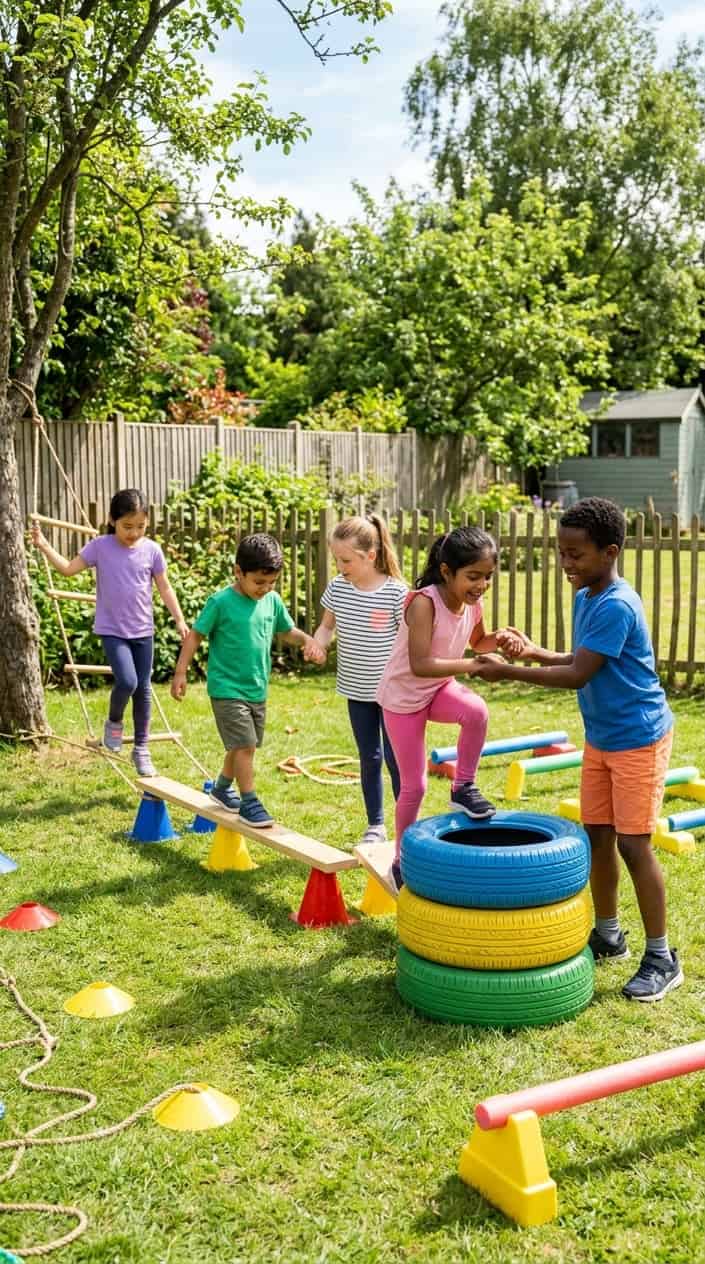
One Saturday, I threw cushions, hula hoops, and a wobbly plank across the yard and backed up to enjoy some cold, sweet tea. The boys spent five minutes arguing, then drew dirt lines and took turns evenly.
While solving the problems, the students did not need me to remind them to listen, make compromises, or think of quick solutions. They taught each other how to balance the plank, and encouraged each other when someone managed to stick a balance. I saw them shift from being bossy to being team players, and I also saw them tone down their voices to create space for others.
To me, this is a little blessing. No, I didn’t have to step in. I put the course up for hope. I wanted to see what they would come up with, and was glad to see their play.
14) Bring out a single board game and allow house rules to evolve

My kids are always griping about playing a boring board game. One rainy Saturday, I put a board game on the table and walked away. When I returned, they had made 3 new rules, formed a team alliance, and had a running joke about the game pieces.
I watched my boys take turns and practice negotiating, explaining, and compromising without a single lecture. They tested what was fair, and without you knowing, the fighting would suddenly stop, and laughter would take over, that is, until an apology was needed.
I observed a loud and chaotic community as they learned to stretch the rules and snap them back when the scenarios called for it. It felt like a small lesson in community, real and enjoyable.
15) Offer praise for problem-solving, not for winning
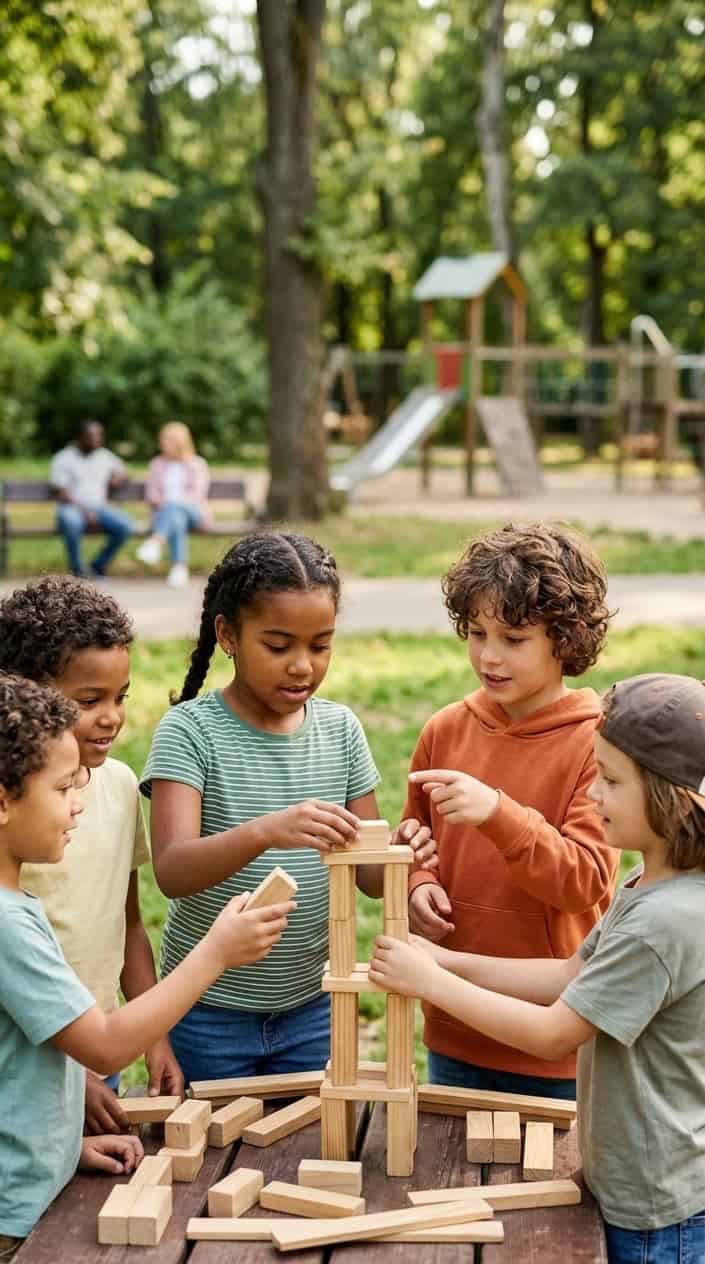
I’ve watched two boys argue over whose turn it was to score at the end of the pickup game. I stay quiet. They show a lot of patience as they count outs to see if they can score. They made up a new rule.
I appreciate their problem-solving more than I applaud a final score for their grit and collaboration. What I see when I take a step back is them working through the challenges, and that really shows the effort.
I am happy they learned to resolve it on their own. I leave with a smile and a nod.
16) Ask one open question after play: “How’d you fix that?”
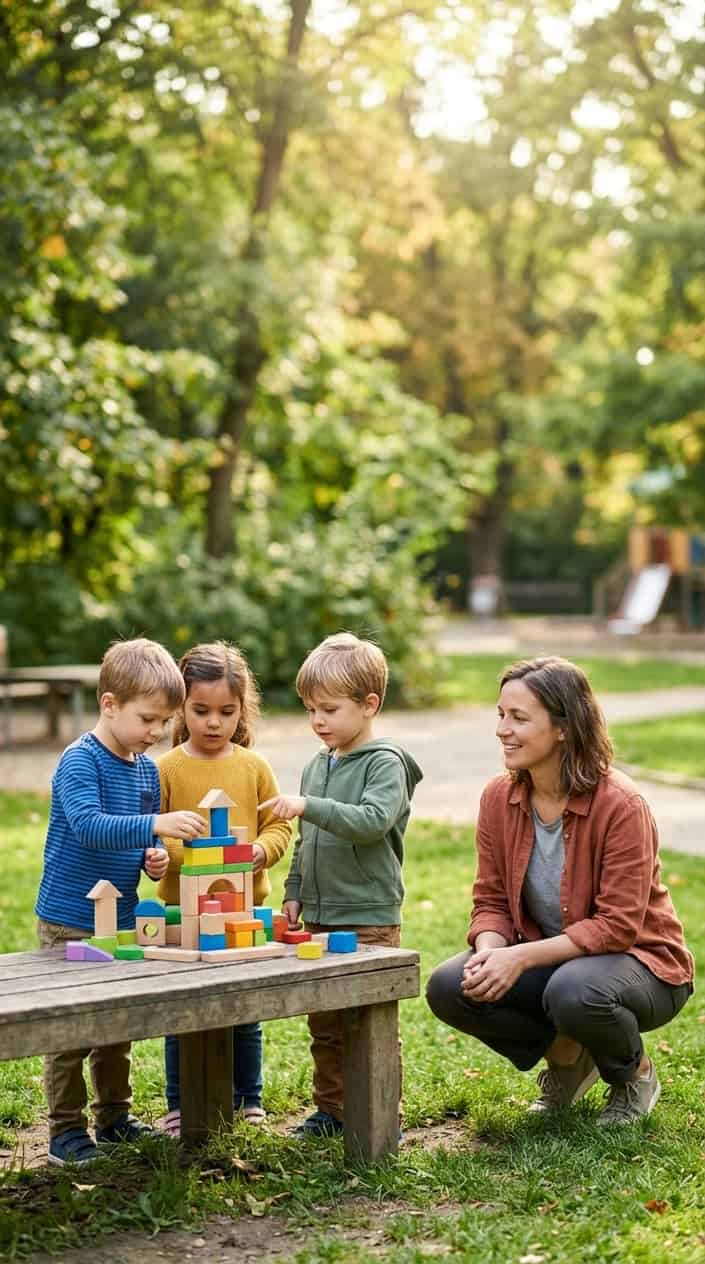
I observed my two sons fight over a toy truck, and eventually they stepped back, hands dirty and looking pleased. They demonstrated to each other how they shoved a stick in the axle and made the truck roll again. It was messy, noisy, and somehow it worked.
When I ask a student, “How’d you fix that?” it helps me gain insight into how they are approaching the problem and what steps they are working on. For students, less is more. They gain ownership of both the problem and the solution. The more they explain, the clearer the work becomes to them and the more confidence they gain without my involvement.
I like to listen, smile, and say thank you for explaining it. It helps keep the moment about them. It helps me remember that small mistakes can create big lessons.
Letting Go of Perfectionism
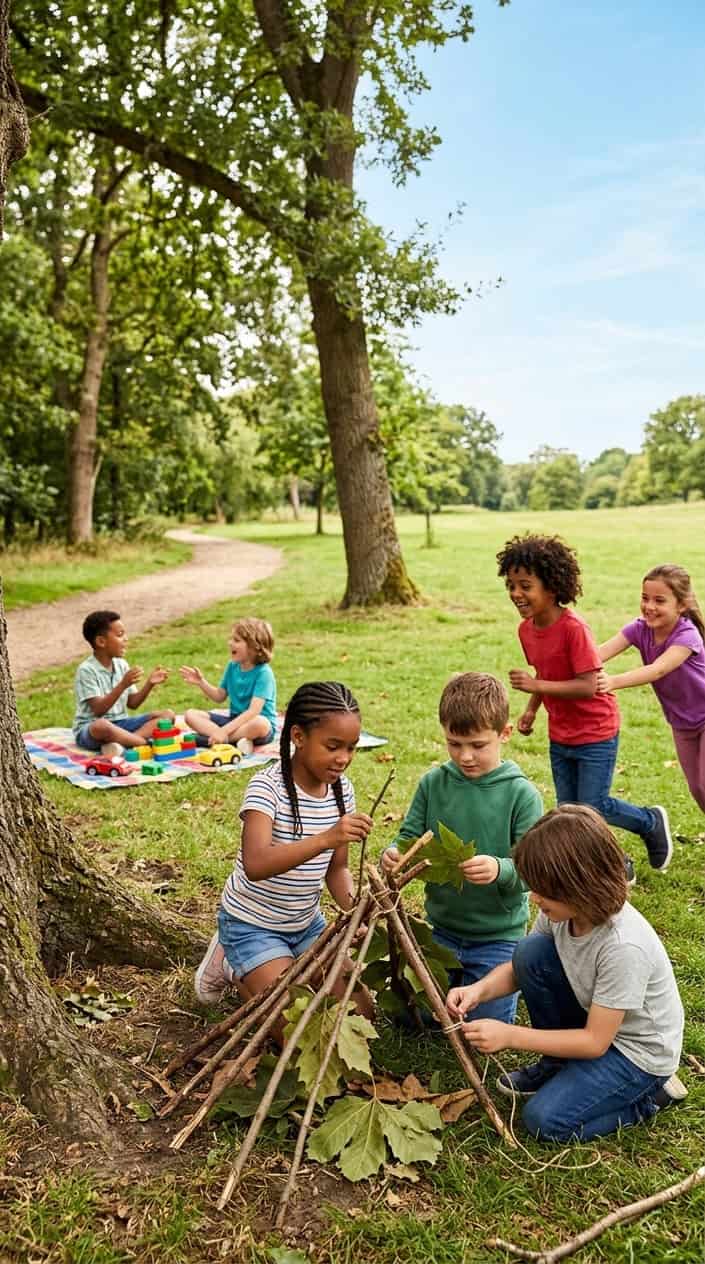
Watched my boys build a mud fort behind the shed last Saturday. They looked so sticky but super proud. I saw them walk back inside, and they had grass stains and big grins. I stayed on the porch to watch them decide where the ramps would go and pick their captain.
Embracing Small Messes With Grace
At first, it was odd not to step in to clean up every mess. I saw the living room rug get ruined by toy trucks, and the floor art installation (the pancake batter one) was something to behold. After taking a deep breath, I came to the conclusion that small messes help kids practice problem-solving. They learn to clean up, trade roles, and laugh at plan changes.
Instead of opting for a missed chance, I’d take a washcloth and some elbow grease any day. It keeps me in control of my emotions and allows me to demonstrate trust.
Trusting God’s Example of Patience
While on one of our Saturday trips, the lights on the blue car got the boys arguing for about 20 minutes. I wanted to jump in to break it up. I prayed, placed my hands off, and waited. While they were arguing, I thought about how patient God is. He allows us to figure out our lessons, and His lessons take time.
While their resolution may not have been ideal, it exemplifies how the slow and deliberate process of arriving at a solution gives the children the opportunity to construct an answer and teaches them to take responsibility for their decisions. I follow the silent guidance of God, and I hope my children learn to exercise mercy and fairness without my interference.
Building Friendship Skills Through Challenges
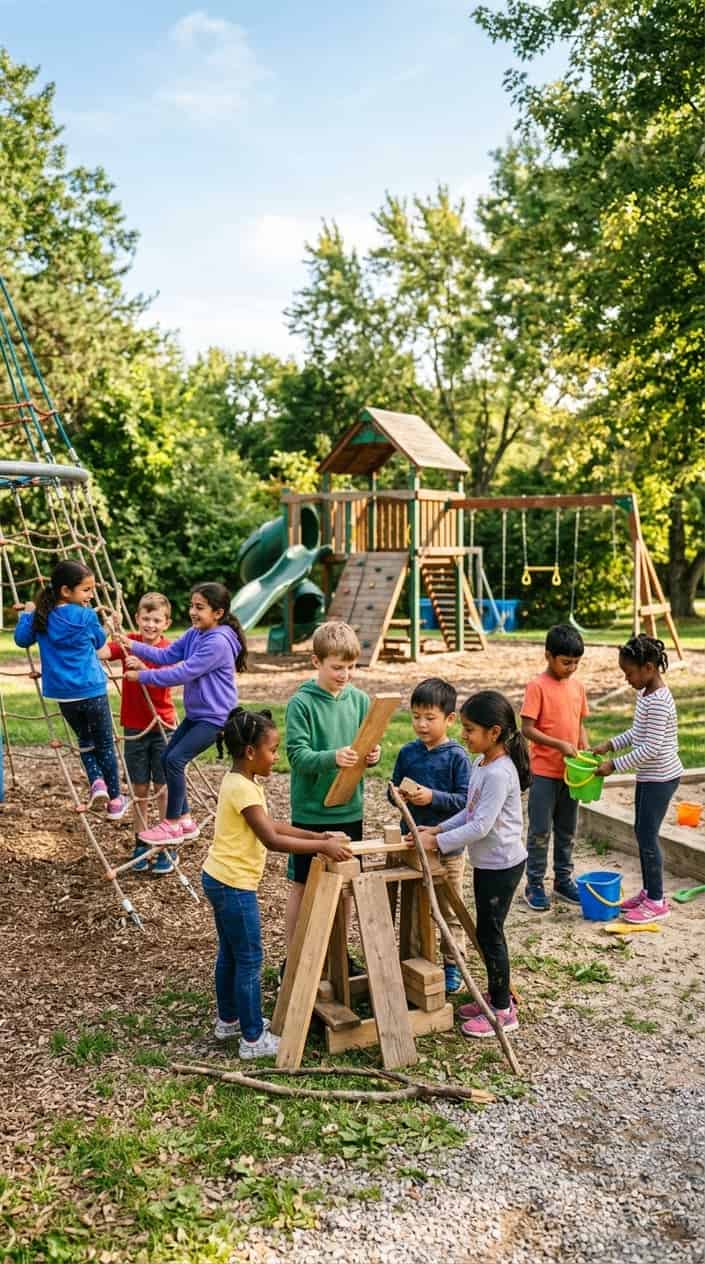
I saw my sons fighting over a bat at a field and then they worked out a turn-taking system without my help. Those little arguments taught them more about feelings and fairness than anything I said afterwards.
Learning Empathy in Unstructured Play
I remember a day when the boys were making a fort and one kid started crying because he lost a fort building piece. I was on the bleachers and prayed for each of them one by one, then I left them to sort it out. I watched my oldest son put his hand on the younger boy’s shoulder and say, “I’m sorry. I didn’t know that was important to you.”
Stopping my rescuing allows children to start recognizing feelings, try to fix mistakes, and ask, “Are you okay?” They even practice apologizing. This is crucial because while lecturing about empathy is a waste of time, witnessing someone else’s suffering is what triggers the empathetic response.
I feel grateful every now and then as I walk off the field a little bit later. It feels nice to see them strengthen a friendship. It feels like I’m watching a little act of faith unfold.
Navigating Conflict as a Family Value
My son came home sad last week, after what I assume was an argument on the playground. I had a quick pray with him, and then asked him how the problem got resolved. He said they created a rule that the person who broke the block had to go get a new one. I did not create this rule; I heard him and left the consequences up to them.
When grown-ups back away, young kids look into fairness and apply their skills of negotiation. Idea exchange, arguing, and consensus on simple rules are all part of the process. It gives the kids an example of some of the family or team experiences. It shows them that issues can be resolved without a ref.
Your phrase, “little rule and the genuine conversation,” makes me think of how some rules could help us realize the importance of some conversations. It reminds me that by letting kids work through tough situations, a trust and confidence is built without words.