
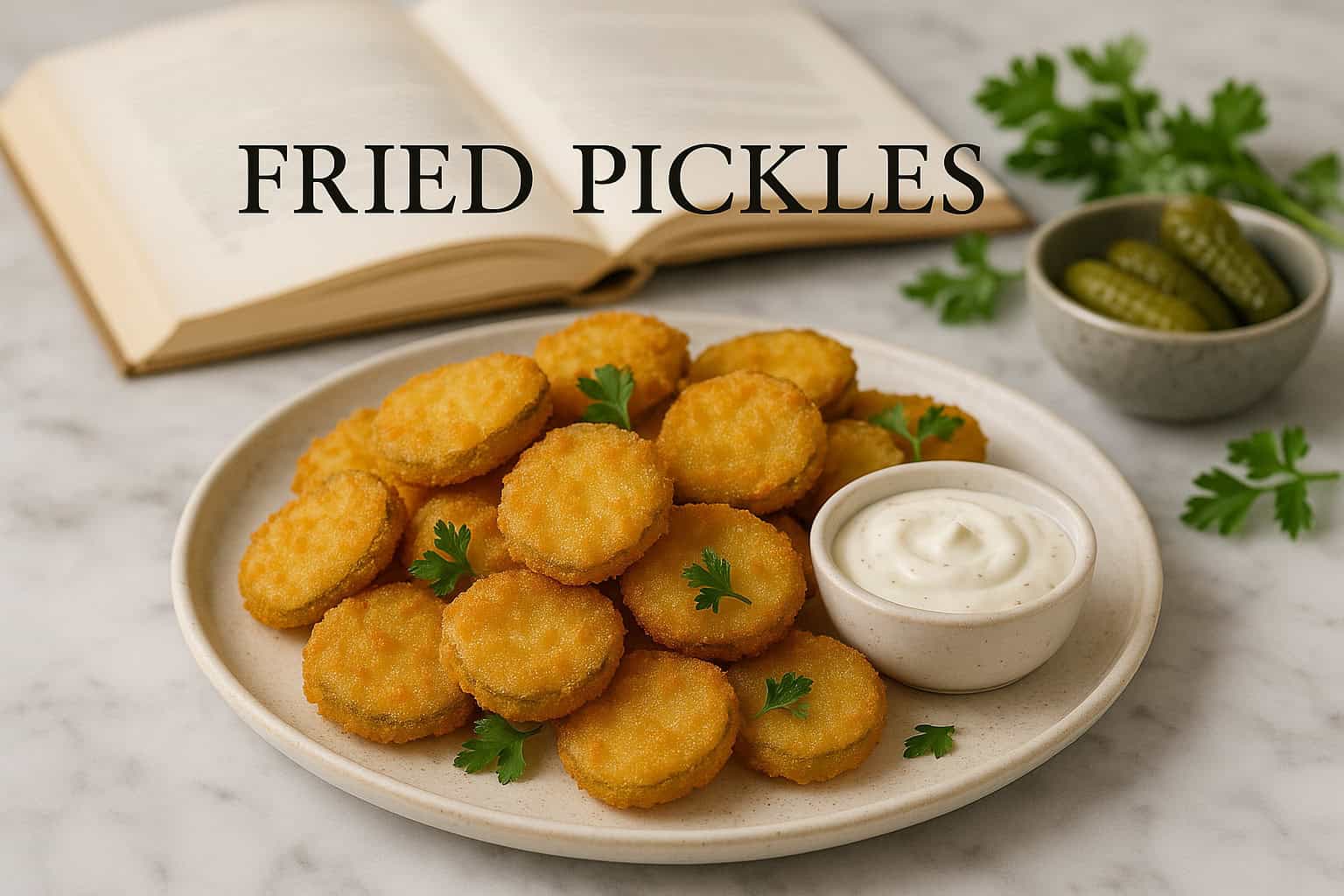
Fried pickles have become everyone’s favorite restaurant appetizer, but Sam from Sugar Spun Run proves you can make these crispy treats right in your own kitchen. In her popular YouTube cooking video, she walks viewers through a simple homemade version that doesn’t require any fancy equipment or deep fryer.
Don't lose this article. Enter your email below, and I'll send it to you right now. Plus a little encouragement and inspiration from me, straight to your inbox.
This recipe has won hearts because it transforms ordinary dill pickles into golden, crunchy bites that taste just like the restaurant version. Sam shares her foolproof method along with helpful tips to avoid common mistakes, making it easy for home cooks to create this beloved snack for family gatherings or game day treats.

TrueCraftware 5.5 Qt Aluminum Deep Fryer Saucepan
Check PriceKey Takeaways
- You can make restaurant-quality fried pickles at home using just a heavy saucepan and basic ingredients
- The secret is maintaining oil temperature at 375 degrees and frying only a few pickles at a time
- A double coating of seasoned flour creates the perfect crispy texture that everyone loves
Why You’ll Love Making Fried Pickles at Home
Cut Costs with Café-Quality Treats in Your Kitchen
Making fried pickles at home means you can enjoy that restaurant taste without the restaurant price tag. Sam shows us that you don’t need fancy equipment or a deep fryer to get crispy, golden results.
A heavy-bottomed saucepan and some vegetable oil are all you need to get started. The recipe uses simple ingredients most moms already have on hand:
- Coating ingredients: flour, salt, pepper, paprika, cayenne, and garlic powder
- Wet mixture: buttermilk and one egg
- Pickles: whole kosher dills or pre-sliced chips
You can slice your own pickles or grab pre-cut chips to save time. Either way works perfectly fine for busy weeknights.
Crispy Texture, Tangy Taste, and Kitchen Memories
The double-dip coating method creates that perfect crunch everyone craves. Sam coats each pickle in flour, then buttermilk, then flour again for maximum crispiness.
The seasoning blend adds just enough kick without being too spicy for little ones. The paprika and cayenne give a gentle warmth while the garlic powder adds that savory depth.
Frying them in small batches of three or four keeps the oil temperature steady. This prevents soggy pickles and ensures each piece gets that beautiful golden-brown color.
Happy Feedback from Home Kitchen Testers
Sam’s simple technique delivers results that get thumbs up from family taste-testers. The key is maintaining that 375-degree oil temperature with a candy thermometer.
She recommends serving these crispy bites with ranch dressing or homemade barbecue sauce. Both dips pair perfectly with the tangy pickle flavor.
The recipe is forgiving enough for kids to help with the coating process. Just have that paper towel-lined plate ready for draining, and expect some happy faces around the dinner table.
Getting Your Fried Pickle Ingredients Ready
Picking the Perfect Pickles (Plus Why Kosher Dill Wins)
Sam likes to use whole kosher dill pickles and slice them herself. She cuts them into pieces that are just a bit thinner than a quarter inch. The ends get tossed out since they don’t fry as nicely.
If you’re short on time, pre-sliced pickle chips work just fine too. You’ll need about a cup and a half of pickles total.
The secret step: gently blot all your pickles with paper towels. You don’t need to dry them completely, just get rid of the extra liquid so they’re not dripping wet. This helps the coating stick better.
The Perfect Coating Mix: Flour and Spices
Sam combines all her dry ingredients in a small bowl. Here’s what goes into her coating mixture:
| Ingredient | Amount |
|---|---|
| All-purpose flour | 1 cup |
| Salt | 1/2 teaspoon |
| Ground black pepper | 1 teaspoon |
| Paprika | 1/4 teaspoon |
| Cayenne pepper | 1/4 teaspoon |
| Garlic powder | 1/4 teaspoon |
Mix everything together until it’s well combined. This spice blend gives the pickles a nice kick without being too spicy for the kids.
The Buttermilk Trick and Mom’s Easy Swap
In a separate bowl, Sam whisks together half a cup of buttermilk with one large egg. The mixture should be well combined and smooth.
Don’t have buttermilk? No problem! Sam mentions there’s an easy substitute that works just as well. Many home cooks add a tablespoon of lemon juice or white vinegar to regular milk and let it sit for five minutes.
Simple Kitchen Tools (Your Deep Fryer Can Stay Put Away)
You don’t need fancy equipment for this recipe. Sam uses basic kitchen tools that most families already have:
- Medium heavy-bottomed saucepan – This holds the oil for frying
- Candy thermometer – Essential for keeping the oil at 375 degrees
- Two forks – These keep your hands cleaner during the coating process
- Paper towel-lined plate – Ready for draining the finished pickles
The oil should be 2 to 3 inches deep in your pan. Sam uses vegetable oil and heats it just below medium heat. The thermometer is really important because too hot burns the pickles, and too cool makes them soggy.
Getting Your Pickles Ready to Fry
Before you start dunking those pickles in batter, there’s some prep work that makes all the difference between soggy disappointments and crispy golden bites. Sam walks us through the simple steps that turn regular jar pickles into restaurant-worthy treats.
Cutting and Drying for Perfect Crunch
Sam likes to start with whole kosher dill pickles and slice them herself. She cuts them just a bit thinner than a quarter inch – not too thick or they won’t cook through properly.
You can absolutely use pre-sliced pickle chips if that’s what you have on hand. Sam says about a cup and a half will do the trick. Sometimes the easiest route is the best route, especially on busy weeknights.
She always tosses the end pieces. Those little nubs just don’t fry up as nicely as the middle rounds.
Quick tip: Keep your slices even so they all cook at the same rate. Nobody wants some pickles burnt while others are still pale.
Getting Rid of Extra Moisture: The Paper Towel Method
Here’s where many home cooks go wrong – they skip the drying step. Sam gently blots each pickle slice with paper towels before coating them.
She’s careful not to press too hard or squeeze out every drop. The goal is just removing the surface moisture that would make your coating slip right off.
This step works for both homemade slices and store-bought chips. Those jarred pickles are swimming in brine, so they need a little pat-down before their flour bath.
Why this matters:
- Wet pickles won’t hold coating well
- Extra moisture creates steam that makes things soggy
- A quick blot takes 30 seconds but saves your whole batch
Sam sets the blotted pickles aside while she gets her coating station ready. This little pause lets any remaining surface moisture evaporate naturally.
Creating Your Perfect Crispy Coating
Blending the Flour Mixture
Sam starts by gathering all her dry ingredients in a small bowl. She combines 1 cup of all-purpose flour with the perfect blend of seasonings.
The seasoning mix includes:
- 1/2 teaspoon salt
- 1 teaspoon ground black pepper
- 1/4 teaspoon paprika
- 1/4 teaspoon cayenne pepper
- 1/4 teaspoon garlic powder
She stirs everything together until all the spices are well mixed with the flour. This seasoned flour mixture is what gives the pickles their crispy outside and tasty flavor.
The key is making sure all those spices get evenly spread throughout the flour. Nobody wants a bite that’s all cayenne or all garlic powder!
Creating the Creamy Dipping Mixture
In a separate bowl, Sam makes the wet mixture that helps the coating stick to the pickles. She pours in 1/2 cup of buttermilk and cracks in one large egg.
She scrambles them together with a fork until the buttermilk and egg are completely mixed. This creamy mixture is what makes the flour coating stick so well to each pickle slice.
Mom tip: If you don’t have buttermilk sitting in your fridge, don’t worry! Sam mentions there are easy substitutes you can make at home with regular milk and vinegar or lemon juice.
This two-step coating process is what creates those restaurant-style crispy fried pickles. The buttermilk mixture acts like glue, while the seasoned flour gives you that golden crunch we all love.
Making Perfect Fried Pickles at Home
Getting Your Oil to the Perfect Temperature
Sam starts by getting a medium-sized heavy-bottomed saucepan ready for the job. She fills it with vegetable oil about 2 to 3 inches deep. The pan goes on the stovetop at just below medium heat.
Don't lose this article. Enter your email below, and I'll send it to you right now. Plus a little encouragement and inspiration from me, straight to your inbox.
A candy thermometer becomes your best friend here. Sam clips it right to the pan because she needs the oil to reach exactly 375 degrees Fahrenheit. This temperature matters more than you might think.
When the oil gets too hot, those pickles will burn on the outside before they cook through. Too cool, and you’ll end up with soggy, greasy pickles that nobody wants to eat. Sam suggests starting the oil first since it takes time to heat up properly.
Creating the Perfect Coating System
While the oil heats up, Sam prepares her pickles and coating station. She likes whole kosher dill pickles cut slightly thinner than a quarter inch. Pre-sliced pickle chips work just fine too – you’ll need about a cup and a half.
The pickles get a gentle pat-down with paper towels. Sam doesn’t try to get them bone dry, just removes the excess liquid so the coating will stick better.
For the seasoned flour mixture, Sam combines:
- 1 cup all-purpose flour
- 1/2 teaspoon salt
- 1 teaspoon ground black pepper
- 1/4 teaspoon paprika
- 1/4 teaspoon cayenne pepper
- 1/4 teaspoon garlic powder
In a separate bowl, she whisks together 1/2 cup buttermilk and 1 large egg until well combined. This creates the wet coating that helps the flour stick.
Working in Small Groups with Care
Sam keeps things manageable by prepping just 3 or 4 pickles at a time. She uses a fork to keep her hands cleaner during the coating process.
Each pickle gets the double-coating treatment:
- First flour dip – Roll in seasoned flour mixture, shake off excess
- Buttermilk bath – Coat completely in the egg mixture
- Second flour coating – Back into the flour for extra crunch
She taps off excess flour gently, then uses another fork to lower each pickle carefully into the hot oil. Sam only fries 3 or 4 pickles per batch. Adding too many at once drops the oil temperature too much, leading to greasy results.
Between batches, she lets the oil return to that magic 375-degree temperature. Patience here makes all the difference in getting crispy, not soggy, pickles.
Spotting That Golden Perfection
Sam fries each batch for about a minute and a half per side, but she watches for visual cues more than the clock. The pickles should turn a beautiful golden brown color on both sides.
She flips them halfway through to ensure even browning. When they reach that perfect golden shade, she uses a slotted spoon or strainer to lift them from the oil.
The finished pickles go straight onto a paper towel-lined plate to drain excess oil. Sam has this ready before she starts frying so the hot pickles can drain immediately.
After each batch finishes, she waits for the oil to climb back to 375 degrees before starting the next group. This simple step keeps every batch as crispy as the first.
Getting Your Fried Pickles Ready to Eat
Letting Your Golden Pickles Cool Down
Once Sam pulls those beautiful golden pickles from the hot oil, she places them right onto a plate lined with paper towels. This simple step helps soak up all that extra grease.
The paper towels work like magic to drain away the oil. Your pickles will taste so much better when they’re not swimming in grease! Let them sit for just a minute or two before serving.
Perfect Dips for Your Crispy Treats
Sam loves serving her homemade fried pickles with ranch dressing. It’s a classic choice that never gets old! The cool, creamy ranch pairs perfectly with the warm, crispy coating.
Her other favorite is a sweet barbecue sauce. The tangy sweetness makes these pickles taste extra special. Both sauces are easy to find at the store, or you can make your own from scratch.
| Dipping Sauce | Why It Works |
|---|---|
| Ranch Dressing | Cool and creamy, balances the salty pickles |
| Sweet Barbecue | Tangy sweetness complements the crispy coating |
Making Them a Hit at Get-Togethers
These crispy pickle treats are perfect for sharing with loved ones. Sam suggests making them when you have company over – they disappear fast!
Try serving them at your next family gathering. Kids and adults both love the crunchy outside and tangy inside. They make great party snacks too.
Pro tip: Make extra batches because everyone will want seconds. Keep the oil at the right temperature between batches so each round turns out just as crispy as the first.
Kitchen Wisdom and Warm Reminders
Getting Your Oil Just Right
Sam knows how important it is to get that oil temperature perfect. She fills her heavy-bottomed saucepan with 2 to 3 inches of vegetable oil. The key is keeping the heat just below medium.
A candy thermometer becomes your best friend here. You want that oil at exactly 375 degrees. If it gets too hot, those pickles will burn on the outside before cooking through. Too cool, and they’ll turn soggy and greasy.
Pro tip: Start heating your oil first thing. It takes time to reach the right temperature, so get it going while you prep everything else.
Keeping Those Crispy Bites Fresh
Fresh fried pickles taste best right away, but life happens. Sam suggests serving them immediately while they’re golden and crispy.
If you need to keep them warm, try these ideas:
- Place on a wire rack in a 200-degree oven
- Use a paper towel-lined plate to catch excess oil
- Avoid covering them completely or they’ll get soggy
Storage tip: Leftover fried pickles can go in the fridge for a day or two. Reheat them in the oven at 400 degrees for a few minutes to crisp them up again.
Creating Sweet Kitchen Moments
Sam loves making these pickles because they bring people together. There’s something special about making restaurant favorites at home.
The double-coating process might seem messy, but it’s perfect for getting kids involved. They can help with the flour mixture or even do the dipping steps.
Family fun ideas:
- Let little ones measure the spices
- Make it a weekend cooking project
- Try different pickle varieties together
- Set up a dipping sauce bar with ranch and barbecue sauce
Sam reminds us that cooking from scratch doesn’t need fancy equipment. Just a regular saucepan and some patience create something really special.
Wrapping Up And Sharing The Love
Once all the pickle batches have that perfect golden color, Sam carefully lifts them from the hot oil with a slotted spoon. She places each crispy piece on the paper towel-lined plate to drain away extra grease.
The Perfect Serving Setup:
- Ranch dipping sauce – Sam’s go-to favorite
- Homemade barbecue sauce – another tasty option she mentions
The beauty of this recipe is how it brings restaurant-quality treats right to your kitchen table. No need for expensive takeout when you can make these crispy delights at home.
Mom-Friendly Tips:
- Keep extra paper towels handy – little hands love helping but can get messy
- Make a double batch – these disappear fast at family gatherings
- Store leftover flour mixture in the fridge for next time
Sam loves hearing from families who try her recipes. She encourages everyone to share their cooking adventures in the comments. There’s something special about connecting with other home cooks who understand the joy of making favorite foods from scratch.
What Makes This Recipe Special:
- No deep fryer needed
- Simple ingredients most moms have on hand
- Perfect for teaching older kids basic cooking skills
- Great for game day or casual get-togethers
The satisfaction of pulling off homemade fried pickles rivals any restaurant version. Plus, you control the ingredients and can adjust seasonings to match your family’s taste buds.
Sam wraps up by asking viewers to give the video a thumbs up and subscribe to her channel. She genuinely appreciates when people take time to try her recipes and share their results.