
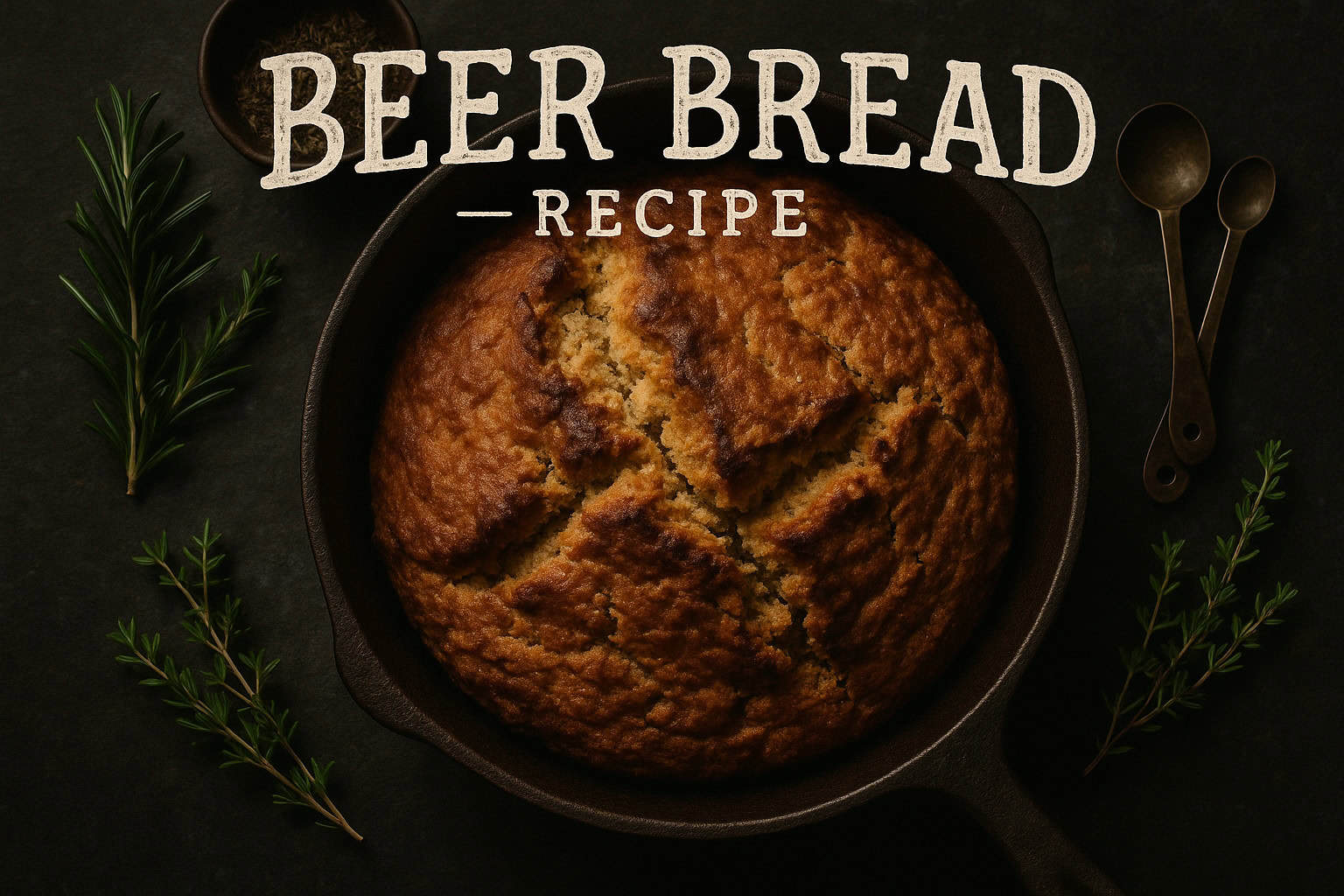
John Kanell from Preppy Kitchen has created something truly special with his beer bread recipe, and it’s become a favorite among home bakers everywhere. This simple recipe turns a bottle of beer into the most amazing light and fluffy loaf that tastes just like a giant buttery biscuit.
Don't lose this article. Enter your email below, and I'll send it to you right now. Plus a little encouragement and inspiration from me, straight to your inbox.
We’re sharing this easy recap of John’s YouTube cooking video so you can follow along without constantly rewinding. The best part is that this whole loaf comes together in just one bowl with ingredients you probably already have in your pantry. Plus, John includes some wonderful tips about using non-alcoholic beer if that’s what you prefer, and explains how the alcohol bakes right off so it’s perfectly family-friendly.

Tastefully Simple Bountiful Beer Bread Mix Pack
Check PriceKey Takeaways
- This one-bowl beer bread recipe creates a light, fluffy loaf that tastes like a giant buttery biscuit.
- You can substitute non-alcoholic beer and still get that wonderful yeasty flavor everyone loves.
- The bread takes just 40-45 minutes to bake and gets brushed with melted butter for extra richness.
Collect Your Baking Supplies
Flour Foundation Basics
John uses three cups (or 360 grams) of all-purpose flour for this recipe. This flour creates the perfect base for a tender, biscuit-like texture.
All-purpose flour works best here because it gives you that light, fluffy result without being too heavy. You don’t need anything fancy – just grab whatever all-purpose flour you have in your pantry.
Selecting Your Beer
The beer you pick makes a real difference in how your bread tastes and smells. John chose a honey IPA because it has sweet honey notes that work beautifully with bread.
Here are some helpful guidelines:
- Pick a beer you actually enjoy drinking
- Stay away from really bitter or strong flavors
- Light beers with mild flavors work great
- Good news for non-drinkers: You can use non-alcoholic beer and still get that wonderful yeasty taste
The alcohol bakes right out, so no one needs to worry about getting tipsy from a slice. The beer adds that special yeasty aroma and flavor that makes this bread so special.
Leavening Agent and Sweetener Choices
You’ll need one tablespoon of baking powder to help your bread rise. This does most of the heavy lifting, though the beer’s carbonation gives a tiny bit of extra lift too.
For sweetness, John adds three tablespoons of sugar. This small amount balances the yeasty beer flavor perfectly without making the bread too sweet.
The baking powder is what really makes this bread work, unlike Irish soda bread that relies on the acid in buttermilk or Guinness.
Salt Options and Advice
Salt brings out all the other flavors in your bread. John uses one teaspoon of salt, but this depends on what type you have:
| Salt Type | Amount |
|---|---|
| Regular salt (what John uses) | 1 teaspoon |
| Fine table salt | 3/4 teaspoon |
The salt makes sure your bread doesn’t taste flat and helps balance the beer’s flavor.
Butter for Rich Flavor
John uses butter in two different ways to make this bread extra special. You’ll need three tablespoons total:
- Two tablespoons get melted and poured over the raw batter before baking
- One tablespoon gets melted and brushed all over the warm bread when it comes out of the oven
This butter trick gives you that rich, buttery taste throughout the bread and creates a beautiful golden finish. The first addition infuses flavor as it bakes, while the final brushing makes the crust irresistible.
Getting Your Pan Ready
Greasing Your Baking Pan
John starts by grabbing a 9×5 inch loaf pan and giving it a light coating of butter. This simple step keeps the bread from sticking to the sides when it’s time to take it out.
You can use regular butter at room temperature for this. Just rub it all around the inside of the pan with your fingers or a paper towel. Make sure you get into all the corners so nothing sticks later.
Adding Paper for Simple Removal
After buttering the pan, John adds a sheet of parchment paper right into the loaf pan. This makes lifting the finished bread out super easy with no hassle at all.
The parchment paper acts like a little sling for your bread. When it’s done baking, you can just grab the edges of the paper and lift the whole loaf right out onto a cooling rack.
Pro tip: Cut your parchment paper a bit longer than the pan so you have little handles sticking up on the sides. This makes it even easier to grab when the bread is hot from the oven.
Preparing the Batter
Blending the Dry Mix
John starts by grabbing a large mixing bowl for this simple one-bowl recipe. He measures out three cups of all-purpose flour, which is about 360 grams if you prefer using a kitchen scale.
Next comes three tablespoons of sugar to add just a touch of sweetness. The sugar helps balance out any bitter notes from the beer and gives the bread that lovely golden color when it bakes.
For the rising power, he adds one tablespoon of baking powder. This is what makes the bread light and fluffy without needing yeast or long rise times.
Salt is key for flavor. John uses one teaspoon of coarse salt, but if you only have regular table salt at home, use about 3/4 teaspoon instead since it’s finer.
He whisks all these dry ingredients together until they’re well combined. This step makes sure the baking powder gets evenly distributed so your bread rises uniformly.
Adding the Beer
John reaches for a honey IPA that smells wonderful and has nice sweet honey notes. He explains that you should pick a beer you actually enjoy drinking since the flavor comes through in the bread.
Skip anything too bitter or strong. Light beers, wheat beers, and honey varieties work beautifully. Even non-alcoholic beer gives you that lovely yeasty flavor if you don’t keep alcohol in your kitchen.
He pours the entire bottle right into the flour mixture. The beer adds flavor and a bit of lift from the carbonation, though the baking powder does most of the heavy lifting for the rise.
The smell is amazing as he starts whisking everything together. You can almost smell the yeasty goodness that makes this bread so special.
Keeping It Simple
John whisks the mixture just until the flour disappears completely. The key here is not to overwork the batter once it comes together.
Stop as soon as you don’t see any dry flour. Think of it like making muffins – a few lumps are perfectly fine, but overmixing makes tough bread instead of that tender, biscuit-like texture you want.
The batter should look a bit shaggy and rustic. It won’t be as smooth as cake batter, and that’s exactly what you’re aiming for with this simple quick bread.
Perfect Baking Results
Oven Heat and Baking Time
John sets his oven to 375 degrees for this cozy beer bread recipe. The loaf needs to bake for 40 to 45 minutes in the oven.
He uses a 9×5 inch loaf pan that gets lightly buttered. A sheet of parchment paper goes in too, which makes lifting the finished bread so much easier.
The bread bakes until it turns a lovely golden color. This timing works perfectly for that tender, biscuit-like texture we all love.
Checking When Your Bread is Ready
The best way to know your beer bread is done is simple. John looks for two key signs that work every time.
First, the top should be golden brown all over. Second, stick a clean skewer or toothpick right into the center of the loaf.
When the skewer comes out clean with no wet batter clinging to it, your bread is perfectly baked. This tried-and-true method never fails.
Don't lose this article. Enter your email below, and I'll send it to you right now. Plus a little encouragement and inspiration from me, straight to your inbox.
Working with Different Loaf Pans
John mentions that an 8×4 inch pan works great too if that’s what you have on hand. Your loaf will turn out a bit smaller but taller in the shorter pan.
Pan Size Guide:
- 9×5 inch pan: Standard size, makes a longer loaf
- 8×4 inch pan: Makes a taller, more compact loaf
The baking time stays the same no matter which pan size you choose. Just keep watching for that golden color and clean skewer test.
Both pan sizes give you that same wonderful light and fluffy texture. It’s just like having a giant buttery biscuit either way.
Final Steps
Brushing with Melted Butter
Once the bread comes out of the oven, John shows us one of his favorite little tricks. He melts a tablespoon of butter and brushes it all over the warm loaf. This extra butter soaks right into the crust and makes everything taste even more amazing.
He lifts the bread out of the pan first. Then he peels away that parchment paper. This lets him brush butter on all sides of the loaf. The butter goes everywhere – top, sides, and even the bottom if you want.
Why this works: The warm bread soaks up that melted butter like a sponge. It makes the crust soft and adds extra flavor.
Cooling and Slicing
John places the buttered loaf on a wire rack to cool down. This is important because hot bread can get gummy if you slice it too soon.
The bread needs some time to set up. Even though it smells incredible and you want to dig in right away, waiting helps the texture become perfect.
Mom tip: If you don’t have a wire rack, you can use a clean kitchen towel on the counter. Just make sure air can get under the loaf.
Serving Suggestions
John mentions this bread tastes like a giant buttery biscuit. He says it goes with almost everything and works especially well for breakfast.
The bread has a light, fluffy texture with a gentle yeasty flavor from the beer. It’s not heavy like some quick breads can be.
Great pairings:
- Morning coffee or tea
- Soup for lunch
- Butter and jam
- Honey or maple syrup
The alcohol bakes out completely, so this bread is safe for everyone in the family. Kids will love the mild, slightly sweet taste.
Making Beer Bread Your Way
Working with Alcohol-Free Beer
Don’t worry if you don’t keep beer in the house or prefer to skip the alcohol altogether. You can absolutely make this recipe shine with non-alcoholic beer instead.
The magic here isn’t really about the alcohol content anyway. What you’re after is that lovely yeasty flavor and aroma that makes this bread so special. Non-alcoholic beer delivers exactly that.
Your family will still get that wonderful taste without any concerns about alcohol. The bread turns out just as fluffy and delicious as the original version.
Trying Different Beer Types
The key to amazing beer bread is picking a beer you actually enjoy drinking. John recommends using something with pleasant flavors rather than anything too harsh or bitter.
Great beer choices include:
- Light honey ales
- Wheat beers
- Mild lagers
- Golden ales
Stay away from very hoppy or intensely flavored beers. They can make your bread taste too strong or overwhelming. Think of beers that smell good when you open them.
The honey IPA John uses adds lovely sweet notes throughout the loaf. Whatever beer you choose will give your bread its own personality.
Adding Your Personal Touch
This recipe is like a blank canvas for your family’s favorite flavors. The basic beer bread gives you room to get creative without much fuss.
You can fold in extras like:
- Herbs: Rosemary or thyme work beautifully
- Cheese: Sharp cheddar or parmesan add richness
- Seeds: Poppy seeds or sesame seeds on top
- Spices: A pinch of garlic powder or onion powder
Keep additions to about 1/2 cup total so you don’t weigh down the batter. Mix them in gently right after you add the beer.
The buttery finish John brushes on top and sides is what makes this bread extra special. Don’t skip that step – it creates the most wonderful golden crust that tastes like pure comfort.
Storage and Serving Tips
Keeping Your Beer Bread Fresh
After John removes the golden loaf from the oven and brushes it with that final layer of melted butter, proper storage becomes key to maintaining its tender texture. The bread tastes best when it’s completely cooled on a wire rack first.
For short-term storage, wrap the cooled loaf in plastic wrap or store it in an airtight container. It will stay fresh for 2-3 days at room temperature. The butter coating helps keep the crust soft and delicious.
If you want to keep it longer, slice the bread and freeze individual pieces. Pop them in the toaster straight from the freezer for a quick breakfast treat.
Perfect Serving Suggestions
John mentions this bread works perfectly in the morning, and there’s good reason for that cozy recommendation. The light, fluffy texture makes it ideal for breakfast spreads.
Slice it thick like you would a hearty biscuit. The bread tastes wonderful when it’s still slightly warm from the oven.
Try these simple serving ideas:
- Slather with butter and honey
- Toast lightly and add jam
- Serve alongside scrambled eggs
- Use for breakfast sandwiches
The bread’s biscuit-like quality means it pairs beautifully with both sweet and savory toppings.
Morning and Anytime Pairing Ideas
Since John created this recipe with a honey IPA, the bread carries subtle sweet notes that work well throughout the day. The yeasty aroma from the beer makes it especially comforting.
Breakfast pairings include fresh fruit, yogurt, or a steaming cup of coffee. The bread’s light texture won’t weigh you down in the morning.
For anytime enjoyment, consider these combinations:
| Sweet Options | Savory Options |
|---|---|
| Apple butter and cinnamon | Cream cheese and herbs |
| Maple syrup drizzle | Sliced cheese and tomatoes |
| Fresh berries | Soup and salad |
The bread’s gentle flavor won’t compete with other foods, making it a versatile choice for any meal.