

Following the success of her popular lentil soup recipe, this YouTube cooking creator decided to share another comforting winter favorite – cabbage soup. This hearty recipe has become a hit with viewers because it’s packed with vegetables, takes less than 30 minutes to make, and delivers that soul-warming goodness we all crave during colder months.
Don't lose this article. Enter your email below, and I'll send it to you right now. Plus a little encouragement and inspiration from me, straight to your inbox.
What makes this cabbage soup extra special is how flexible it is – you can think of it as a blank canvas for your own family’s tastes. The creator walks viewers through every step, from chopping the vegetables to adding those final fresh touches that make all the difference. She shares helpful prep tips and reminds us that cabbage is both budget-friendly and incredibly nutritious, making this recipe perfect for busy families who want something healthy and satisfying.
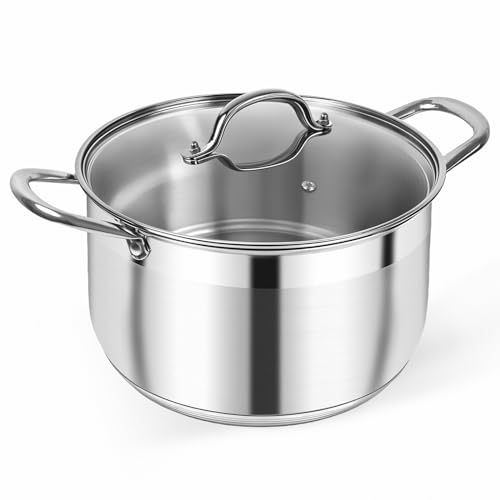
Kirecoo 8 Quart Stainless Steel Stock Pot
Check PriceKey Takeaways
- This simple cabbage soup recipe comes together in under 30 minutes using basic ingredients like cabbage, vegetables, and broth
- The recipe starts with a classic mirepoix base of celery, carrots, and onions that creates amazing flavor when sautéed
- Fresh herbs like parsley and a splash of lemon juice at the end really elevate the taste and make the soup feel restaurant-quality
Why Cabbage Soup Brings Comfort to Your Heart
Perfect for Chilly Days
Nothing beats a steaming bowl of cabbage soup when the weather turns cold. This hearty recipe comes together in less than 30 minutes, making it perfect for busy weeknight dinners.
The soup starts with a simple mirepoix base – that’s just a fancy name for:
- Celery stalks
- Carrots
- Onions
These three vegetables create amazing flavor when cooked with a little olive oil. The traditional mix uses twice as much onion as celery and carrot, but you can adjust this to your family’s taste.
The star ingredient is cabbage – about half of a small to medium head. Cabbage sizes can vary a lot, so don’t worry if you end up with 6 to 10 cups of chopped cabbage. This recipe is very forgiving.
Wholesome Care for Your Loved Ones
Cabbage brings incredible health benefits to your dinner table. It’s packed with nutrients, antioxidants, and fiber that help with digestion.
Why cabbage is so good for families:
- Low in calories but high in nutrition
- Contains anti-inflammatory properties
- Budget-friendly ingredient that stretches meals
- Fills everyone up without breaking the bank
The recipe combines the cabbage with vegetable broth, diced tomatoes, and fresh herbs like parsley. A squeeze of lemon juice at the end brightens all the flavors and makes the soup taste restaurant-quality.
Fresh parsley adds that special touch that turns a simple soup into something your family will ask for again and again.
Easy Ways to Change It Up
Think of this cabbage soup as your blank canvas. There are so many ways to make it your own based on what your family loves.
Simple swaps you can try:
- Use fire-roasted diced tomatoes for smoky flavor
- Add diced tomatoes with basil for extra herb taste
- Throw in extra vegetables you have in the fridge
- Adjust the broth amount for thicker or thinner soup
The cooking method stays the same no matter what changes you make. Cook the vegetables until soft, add your spices, let everything simmer for about 10 minutes, then finish with fresh herbs and lemon juice.
If you end up with extra chopped cabbage, don’t let it go to waste. Save it for other meals throughout the week or make a bigger batch of soup to freeze for later.
Getting Your Ingredients Ready
Foundation Vegetables
The beauty of this cozy cabbage soup starts with what chefs call a mirepoix – but don’t let the fancy name fool you! It’s just the holy trinity of soup making: celery, carrots, and onions.
For the celery, she grabs two stalks and makes quick work of them. The trick is slicing lengthwise two to three times first, then chopping across for perfect bite-sized pieces. No fuss, no muss.
Next comes one large carrot. Here’s her smart approach: cut it in half across the middle, then slice those pieces lengthwise. This gives you a flat surface so the carrot won’t roll around on your cutting board like it’s trying to escape!
The onion rounds out this aromatic base. While traditional recipes call for twice as much onion as celery and carrot, she reminds us that you can adjust these ratios to suit your family’s taste. Some kids love extra carrots for sweetness, while others prefer more onion for deeper flavor.
Selecting Your Cabbage
The star of the show needs about half of a small to medium cabbage head – roughly six to eight cups when chopped. She quarters the cabbage half, removes the core, then chops it up into manageable pieces.
Here’s something every mom knows: vegetable sizes can be wildly unpredictable. Sometimes that “medium” cabbage gives you way more than expected – she’s gotten ten cups from half a head before!
Don’t panic if you end up with extra. The recipe is wonderfully forgiving, and leftover chopped cabbage works great in stir-fries or sautéed as a side dish throughout the week.
She loves cabbage for good reason – it’s budget-friendly and packed with nutrients, antioxidants, and fiber. As a cruciferous vegetable, it’s naturally anti-inflammatory. While some folks use cabbage soup for quick weight loss, she encourages enjoying it simply for the wholesome goodness it brings to your table.
Fresh Herbs for Home Comfort
Nothing elevates a simple soup quite like fresh parsley. She chops about a quarter cup, and it’s that final touch that makes the whole kitchen smell like comfort.
Fresh herbs are her secret weapon for turning everyday ingredients into something special. That bright, grassy flavor of parsley added at the end brings everything together beautifully. It’s like putting a warm hug in a bowl.
Basic Steps for Big Taste
Making Your Base Vegetables Ready
Getting the celery, carrot, and onion ready is pretty simple. These three veggies make what’s called a mirepoix. It’s just a fancy name for the flavor base that makes soups taste amazing.
Start with two celery stalks. Slice down the celery two or three times the long way. Then chop across to make small pieces that are just right for spoonfuls.
For one large carrot, you can peel it or leave the skin on. Cut the carrot in half across the middle first. Then cut those pieces in half the long way. This gives you a flat side so the carrot won’t roll around on your cutting board. Now you can slice and dice it into small chunks.
The last part is one onion. Just slice and dice it up like the other veggies. These three simple ingredients add so much flavor when they get cooked with a little oil or butter.
Traditional ratio: Most recipes use twice as much onion as celery and carrot. But you can change this based on what your family likes best.
Cutting Cabbage Made Simple
You’ll need half of a small to medium cabbage. That’s about six to eight cups when it’s all chopped up.
The easiest way to handle cabbage is to slice your half into quarters first. Take out the hard core part. Then just chop it all up.
Cabbage sizes can be really different. Sometimes a half cabbage gives you way more than you need. That’s totally fine – this recipe is flexible. If you end up with extra cabbage, you can use it for other meals during the week.
Here’s why cabbage is such a smart choice:
- It’s cheap and feeds a lot of people
- It’s packed with good stuff like fiber and vitamins
- It helps with digestion
- It’s great for fighting inflammation in your body
Making Fresh Parsley Perfect
Fresh herbs make such a big difference in soups. They wake up all the flavors and make everything taste brighter.
Chop up about a quarter cup of fresh parsley. Put it in a small bowl and set it aside. You’ll add this at the very end of cooking to keep that fresh, green taste.
The parsley gets stirred in right before serving. This keeps it from getting mushy and maintains that pop of fresh flavor that makes the whole soup come together.
Let’s Start Cooking: Your Step-by-Step Guide
Building Sweet Flavors Through Gentle Cooking
After all that chopping is done, it’s time for the magic to happen. She adds a couple tablespoons of olive oil to a large pot over medium-high heat.
Don't lose this article. Enter your email below, and I'll send it to you right now. Plus a little encouragement and inspiration from me, straight to your inbox.
The chopped onions, carrots, and celery go right into that warm oil. These three simple vegetables are the foundation of so many comforting soups. They cook for about four to five minutes until they start to get tender.
This is where patience pays off. The vegetables need time to soften and release their natural sweetness. You’ll know they’re ready when they smell amazing and look a bit translucent.
Building Flavor with Aromatics and Spices
Once those base vegetables are softened, she adds two minced garlic cloves along with the seasonings. The spice mix is simple but effective:
- Half a teaspoon dried oregano
- Half a teaspoon dried basil
- Half a teaspoon salt
Everything gets stirred together for about a minute. This step wakes up all those dried herbs and gets the garlic fragrant.
Next comes the star ingredient – all that chopped cabbage goes into the pot. The cabbage needs to sweat for five minutes, and she stirs it frequently so every piece gets soft and tender.
Cooking Your Soup to Perfection
Now the soup really starts to come together. She pours in four cups of vegetable broth and one 14-ounce can of diced tomatoes.
Pro tip: You can use plain diced tomatoes, ones with basil, or fire-roasted varieties. If you ended up with extra cabbage like she did, just add more broth or water to make it more soupy.
The whole mixture simmers uncovered for 10 minutes. This gives all the vegetables time to get perfectly tender.
Once the simmering is done, she removes the pot from heat and adds the finishing touches:
- Quarter cup of chopped fresh parsley
- One to two tablespoons of fresh lemon juice
- Freshly cracked black pepper
She doesn’t measure the lemon juice exactly – just squeezes some in and tastes to see if it’s enough. That’s the kind of cooking confidence that comes with practice!
One final stir and the soup is ready to serve.
Creating Warm, Comforting Bowls
Brightening with Citrus and Garden Herbs
The magic happens when you remove that beautiful pot from the heat. She adds a quarter cup of freshly chopped parsley right into the warm soup. The heat releases all those lovely herb oils.
Next comes the secret ingredient that makes everything sing – fresh lemon juice. She squeezes one to two tablespoons right into the pot. Here’s her smart approach: she doesn’t measure exactly. Instead, she adds some lemon, gives it a taste, then adds more if needed.
Pro tip for busy moms: Keep a bottle of lemon juice on hand when fresh lemons aren’t available. It works in a pinch!
The final touch is cracked black pepper. She gives everything one last gentle stir to blend all those bright flavors together.
Final Kitchen Magic
The soup fills the entire kitchen with the most wonderful aromas. Those fresh herbs and lemon create an inviting scent that draws everyone to the table.
She mentions how satisfying it feels to see all that vegetable goodness in one big ladle. Each scoop delivers colorful chunks of tender cabbage, carrots, and celery swimming in that flavorful broth.
The beauty of this recipe lies in its simplicity. No complicated techniques or fancy equipment needed – just good ingredients coming together in one pot.
Serving Your Family
Ladle the soup into cozy bowls, though she admits with a laugh that spills happen in real kitchens. She just zooms in so nobody notices her little kitchen mishap.
For the prettiest presentation, sprinkle fresh parsley on top of each bowl. Add an extra crack of black pepper for both flavor and visual appeal.
Serving suggestions:
- Fresh parsley – chopped and sprinkled on top
- Black pepper – freshly cracked for the best flavor
- Crusty bread – perfect for dipping and making it a complete meal
This soup tastes even better the next day, making it perfect for meal prep or feeding the family throughout the week.
Mom’s Kitchen Secrets and Storage Solutions
Personal Touch Ideas
This cabbage soup recipe works like a blank canvas. You can swap out ingredients based on what’s hiding in your fridge.
The traditional mirepoix uses a 2:1:1 ratio. That means twice as much onion as celery and carrot. But moms know best when it comes to their family’s taste buds.
Easy ingredient swaps:
- Use regular, basil, or fire-roasted diced tomatoes
- Skip peeling the carrots to save time
- Add extra veggies if you have more cabbage than expected
Flavor boosters:
- Squeeze fresh lemon juice to taste instead of measuring
- Add more garlic for garlic lovers
- Throw in leftover vegetables from the week
The recipe calls for about 6-8 cups of chopped cabbage. Cabbage sizes vary wildly, so don’t stress if you end up with 10 cups. Just add more broth or save the extra cabbage for other meals.
Storage and Warming Tips
This soup keeps well in the fridge for several days. Store it in airtight containers once it cools completely.
Reheating instructions:
- Stovetop: Warm over medium heat, stirring occasionally
- Microwave: Heat in 30-second intervals, stirring between
- Add a splash of broth if the soup seems too thick
The soup may thicken as it sits. This is normal with veggie-heavy soups. Just thin it out with extra vegetable broth or water when reheating.
Fresh herbs like parsley taste best when added right before serving. Save some extra chopped parsley in the fridge to sprinkle on top of reheated portions.
Weekly Meal Ideas
This cabbage soup shines as a make-ahead meal. The flavors actually get better after sitting overnight in the fridge.
Throughout the week:
- Serve as a light lunch with crusty bread
- Pair with grilled cheese for the kids
- Use as a starter for family dinners
- Pack in thermoses for school lunches
Leftover cabbage uses:
- Make sautéed cabbage as a side dish
- Add to stir-fries and salads
- Use in coleslaw or wraps
The soup comes together in under 30 minutes. This makes it perfect for busy weeknights when everyone needs something warm and filling.
Store extra fresh parsley in a glass of water in the fridge. It stays fresh longer and you’ll have it ready for garnishing bowls all week long.